
 Deutsch
 Русский
 Español
 Français
No products in the cart.

Eyelash Knowledge & Education, Lash Adhesive & Retention
Lash Shed vs Bad Retention: What Is the Difference?
09
Jul
Jul
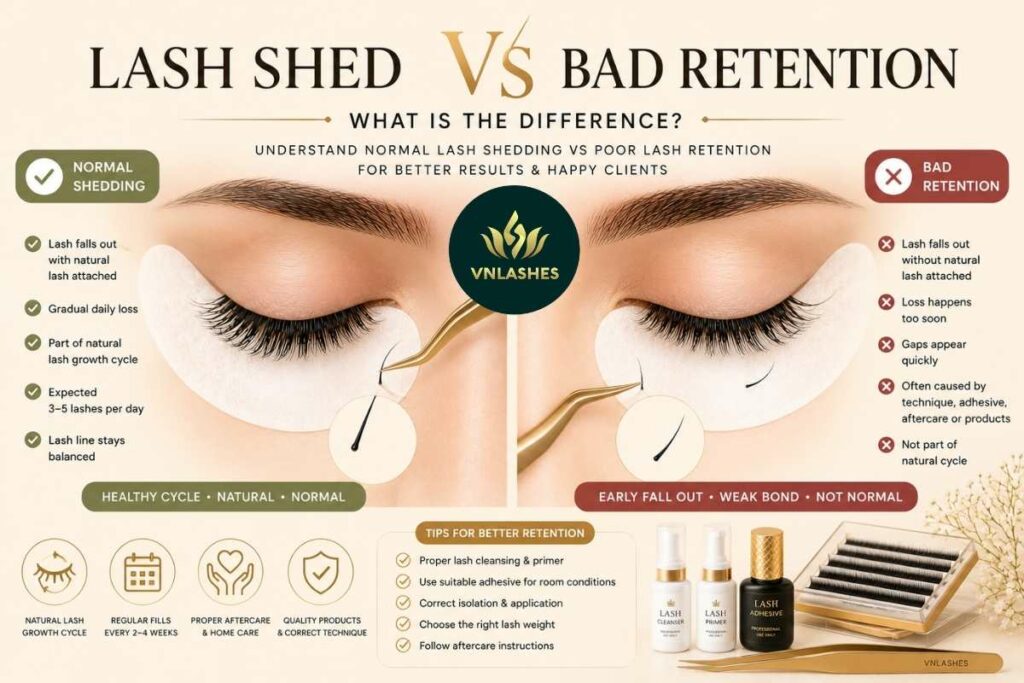
Understanding lash shed vs bad retention is important for lash artists, salon owners, lash brands, and wholesale buyers. Many clients think every extension that falls out means something is wrong. In reality, some lash loss is completely normal, while poor retention may come from application technique, adhesive performance, product choice, environment, or aftercare.
As an eyelash extensions manufacturer and wholesale supplier, we know that the difference between lash shed vs bad retention can directly affect client education, salon reputation, and product feedback. When lash artists understand what is normal shedding and what is weak extension hold, they can explain results more clearly and choose better products for long-lasting lash sets.
What Is Lash Shedding?
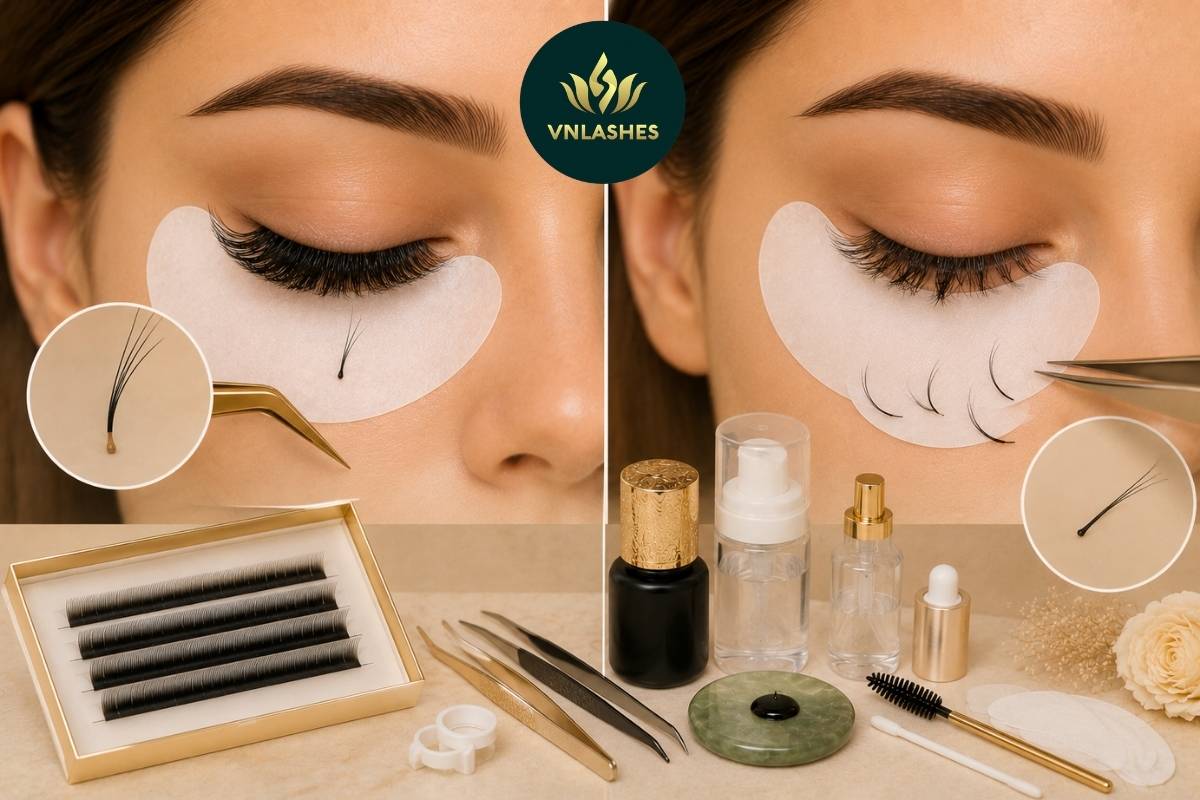
Lash shedding is the natural process where eyelashes fall out as part of the lash growth cycle. Just like the hair on your head, natural lashes grow, rest, and eventually shed.
When a natural lash falls out, the extension attached to it may come off too. This does not always mean the adhesive failed. It may simply mean the natural lash has reached the end of its growth cycle.
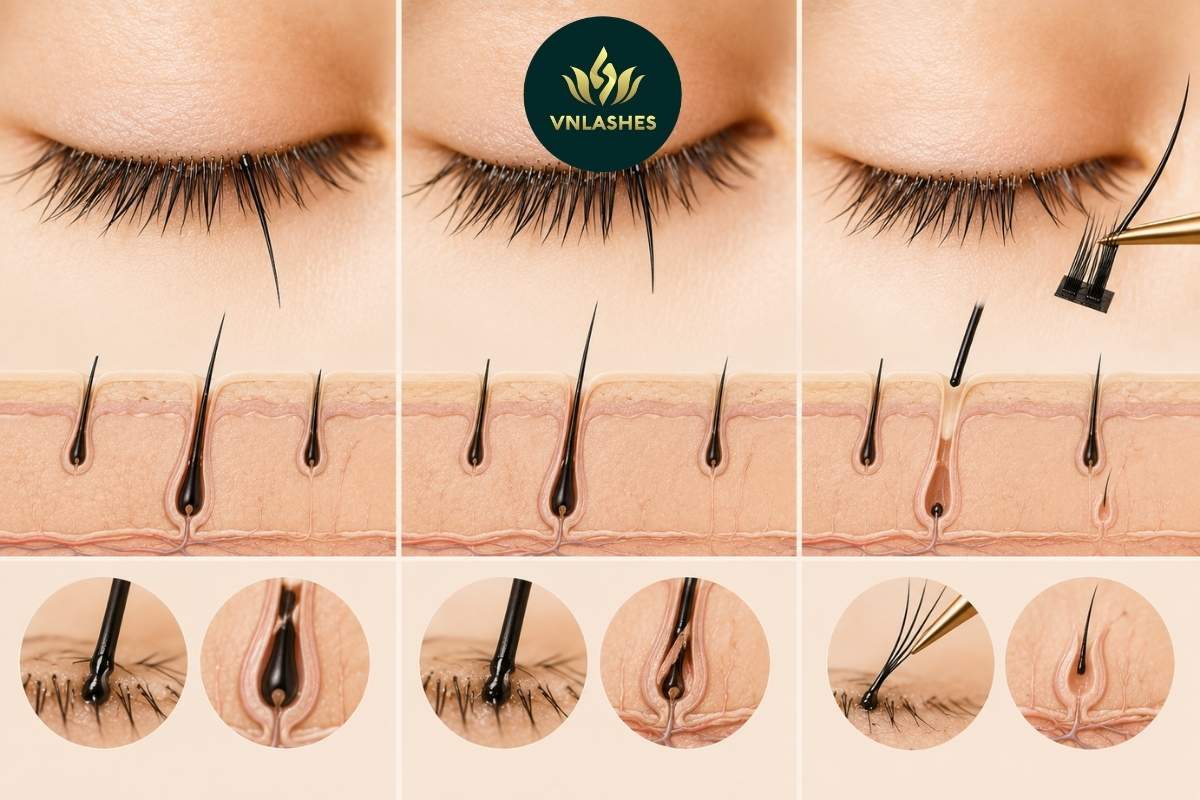
The Natural Lash Growth Cycle
Natural eyelashes usually go through three main stages:
Anagen Phase
This is the active growth stage. During this phase, the natural lash is growing and still attached strongly to the follicle.
Catagen Phase
This is the transition stage. The lash stops growing and prepares for the resting phase.
Telogen Phase
This is the resting and shedding stage. The old lash naturally falls out, making room for a new lash to grow.
Because each lash is in a different stage, clients will lose a small number of lashes every day. This is normal and should not be confused with bad lash retention.
How Many Lashes Shed Per Day?
On average, a person may naturally lose around 3 to 5 lashes per day. This number can vary depending on the client’s lash cycle, season, lifestyle, hormones, skincare habits, and overall lash condition.
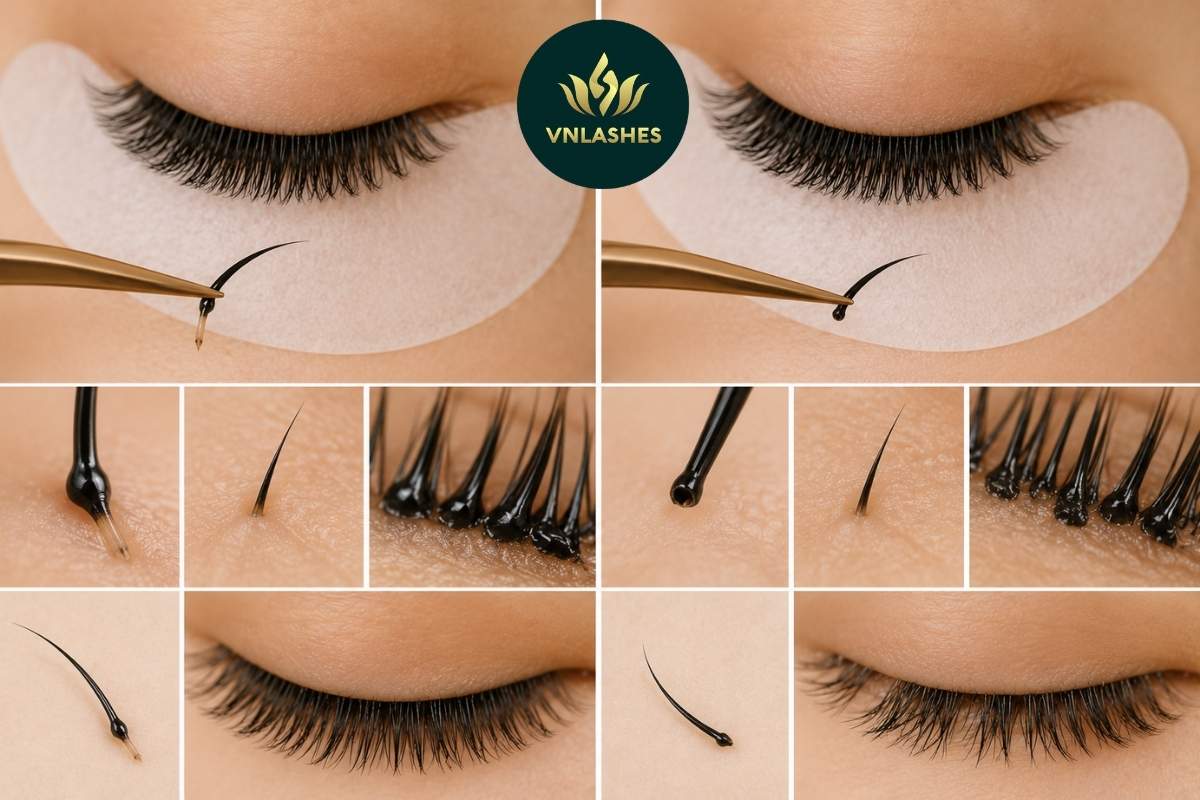
For clients wearing extensions, this means some extensions will fall out with the natural lash. If the extension is still attached to the natural lash when it falls, this is usually a sign of normal lash shedding, not bad retention.
Signs of Normal Lash Shedding
Normal lash shedding often looks like this:
- The extension falls out with one natural lash attached.
- Lash loss happens gradually, not suddenly.
- The lash line still looks balanced after several days.
- There are no large gaps immediately after application.
- The client loses a few lashes daily, not many at once.
When natural shedding is normal, clients can usually still enjoy a full lash look until their regular fill appointment.
What Is Bad Retention?
Bad retention means lash extensions fall out earlier than expected without the natural lash attached. This usually shows that the bond between the extension and the natural lash did not last properly.
Weak retention can be frustrating for both lash artists and clients. For salons and lash brands, it may also affect customer trust, repeat bookings, and product reviews. This is why understanding lash shed vs bad retention is essential in professional lash work.
Signs of Bad Lash Retention
Poor extension hold may look like this:
- Extensions fall out without natural lashes attached.
- Many extensions come off within the first few days.
- Visible gaps appear quickly after a new set.
- Clients report short wear time even with proper aftercare.
- Extensions slide off instead of shedding with the natural lash.
When this happens, the issue is usually related to technique, adhesive, product quality, environment, or aftercare.
Lash Shed vs Bad Retention: Key Differences
The easiest way to understand lash shed vs bad retention is to look at what falls out.
If the extension falls out together with a natural lash, it is usually normal shedding. If the extension falls out alone, it may indicate weak bond performance or bad retention.
Comparison Table
| Factor | Lash Shedding | Bad Retention |
| Cause | Natural lash growth cycle | Weak bond or product/application issue |
| What falls out | Extension with natural lash attached | Extension only |
| Timing | Gradual daily loss | Often too soon after application |
| Is it normal? | Yes | No |
| Main concern | Natural cycle | Adhesive, technique, aftercare, or product quality |
| Solution | Regular fills | Identify and fix the cause |
Common Causes of Bad Retention
Poor hold can come from many different factors. For lash artists and salon owners, identifying the cause is the first step to improving client results and reducing bad retention.
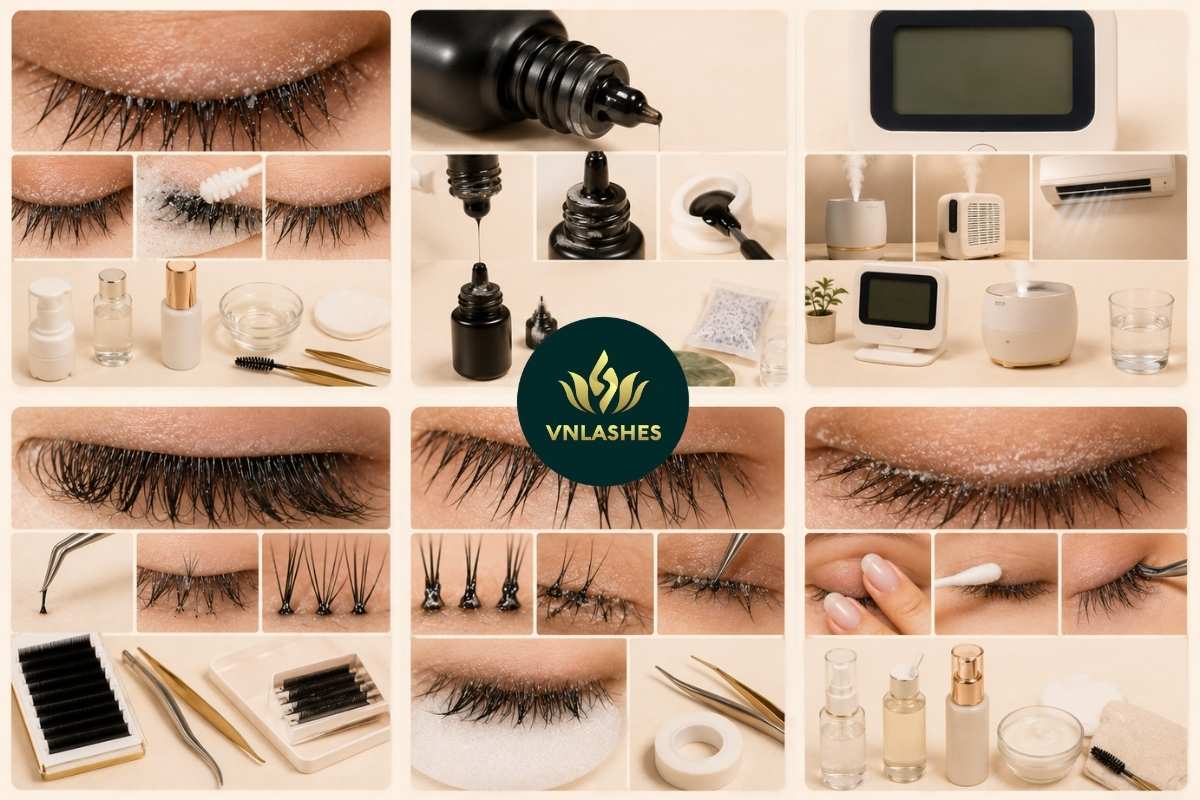
1. Poor Lash Preparation
Natural lashes must be clean before application. Oil, dust, makeup residue, skincare products, or old adhesive can affect bonding.
Using a proper lash cleanser and primer can help prepare the lash surface before applying extensions.
2. Incorrect Adhesive Use
Adhesive plays a major role in lash retention. If the glue is too old, stored incorrectly, or not suitable for the room environment, results may become unstable.
Humidity and temperature also matter. Some adhesives work best in specific humidity ranges. If the environment is too dry or too humid, the glue may cure too slowly or too quickly.
3. Wrong Lash Weight
Using extensions that are too long, thick, or heavy for the client’s natural lashes can create stress. This may lead to early fallout, discomfort, or shorter wear time.
For better lash retention, lash artists should choose extensions that match the strength and condition of the natural lashes.
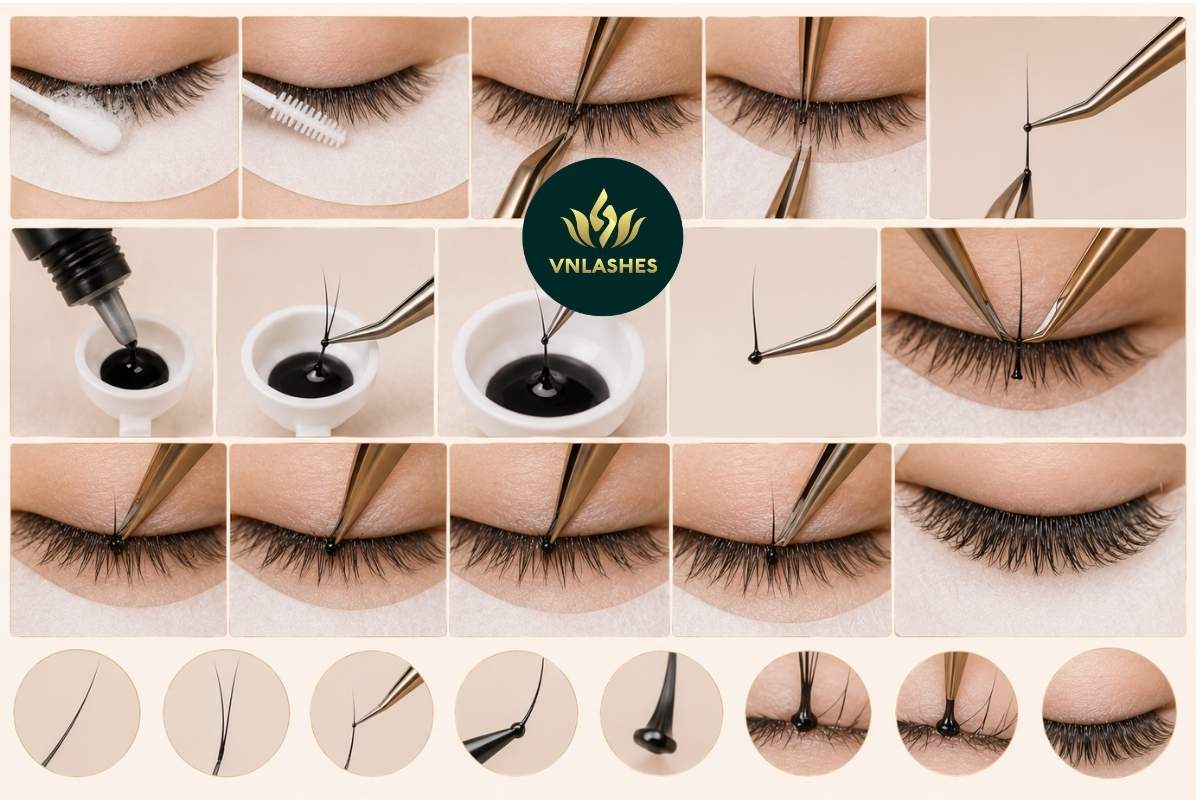
4. Improper Isolation
Each extension should be applied to one properly isolated natural lash. Poor isolation can cause lashes to stick together, creating discomfort and uneven shedding.
Good isolation allows each lash to grow and shed naturally with the client’s own cycle.
5. Too Much or Too Little Adhesive
Using too much adhesive can create a thick, uncomfortable base. Using too little may create a weak bond.
A clean, balanced glue base is important for long-lasting lash retention and better application results.
6. Poor Aftercare
Aftercare also affects extension wear. Clients should avoid rubbing their eyes, using oily products near the lash line, or pulling at the extensions.
Regular cleansing is also important. Dirty lashes can cause buildup, which may weaken the bond and affect the final result.
How Manufacturers Help Improve Lash Retention
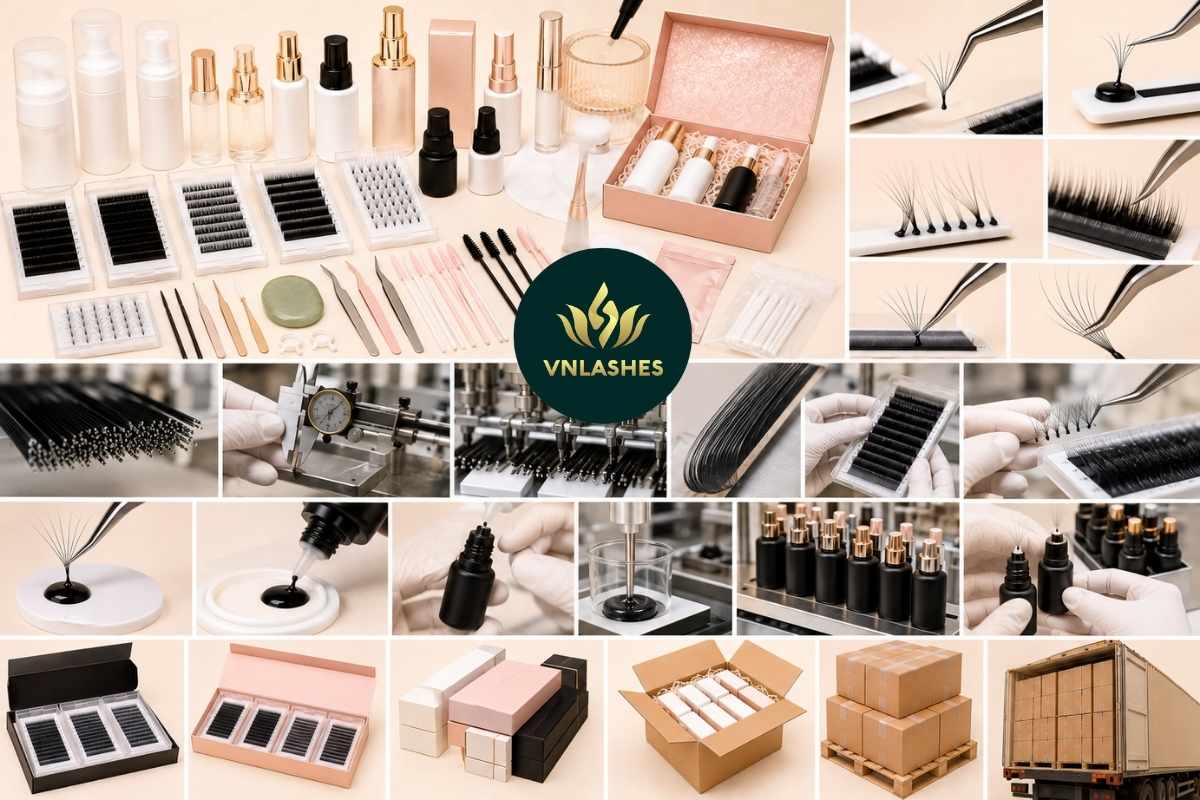
As a wholesale eyelash extensions manufacturer, product consistency is one of the most important factors we focus on. Even when the lash artist has good technique, low-quality products can still affect final wear and cause complaints about bad retention.
Stable Curl and Shape
High-quality extensions should hold their curl well. Stable curl helps the final set look consistent and reduces product-related issues during application.
Clean and Lightweight Lash Fibers
Lightweight PBT fibers are commonly used for professional lash products. Soft, flexible, and consistent fibers help lash artists create comfortable sets for clients.
Consistent Lash Thickness
Inconsistent thickness can affect the final look and application experience. For wholesale buyers, stable thickness is important when selling to salons and lash professionals.
Proper Fan Base
For premade fans and volume lashes, the fan base should be neat, narrow, and easy to attach. A clean base helps lash artists apply fans more smoothly and support better bond contact.
Reliable Packaging
Good packaging helps protect lashes during shipping and storage. For wholesale and private label orders, packaging should keep trays clean, organized, and protected from moisture or damage.
How Lash Artists Can Explain Lash Shedding to Clients
Client education is important. Many clients worry when they see lashes falling out, even when it is normal.
A simple explanation can help:
“Your natural lashes shed every day as part of their growth cycle. When a natural lash sheds, the extension attached to it will fall out too. This is normal. If extensions are falling out without natural lashes attached, then we may need to check aftercare, adhesive, application, or product choice.”
This explanation helps clients understand lash shed vs bad retention in a simple and practical way.
How to Reduce Bad Retention
To reduce bad retention, lash artists and salons should focus on both technique and product quality.
Use Fresh Adhesive
Always check the adhesive’s opening date, expiry date, and storage instructions. Replace glue regularly for stable performance.
Match Adhesive to the Room Environment
Choose an adhesive that fits your humidity, temperature, and working speed. This can make a big difference in overall lash retention.
Clean Natural Lashes Properly
Before application, remove oil, dust, and makeup residue. Clean lashes help create a stronger bond.
Choose the Right Lash Extensions
Select curl, length, diameter, and fan size based on the client’s natural lashes. Lightweight extensions usually provide better comfort and long-term wear.
Teach Clients Aftercare
Clients should know how to clean their lashes and what to avoid after application. Good aftercare helps extend the life of the lash set.
Why Lash Brands Should Care About Lash Shed vs Bad Retention
For lash brands, lash shed vs bad retention is not only a technical topic. It is also related to product quality, customer education, and brand trust.
Retention is not only about glue. It is also about product consistency, lash fiber quality, fan base design, packaging, and proper usage instructions.
If you sell lash products wholesale or build a private label lash brand, your clients will care about:
- Easy pickup from the tray
- Lightweight fibers
- Stable curl
- Clean fan base
- Comfortable wear
- Reliable retention support
- Consistent quality in bulk orders
A strong manufacturer can help reduce product complaints and support better results for salons and lash artists.
Best Products to Support Lash Retention
Different lash products can help improve lash retention when used correctly.
Lash Cleanser
A lash cleanser helps remove oil, dust, and makeup residue before or after application.
Lash Primer
A lash primer can help prepare the natural lash surface before extension application.
Lash Adhesive
A suitable adhesive supports a strong bond between the natural lash and extension.
Super Bonder
A super bonder may help support adhesive curing when used correctly according to product instructions.
Lightweight Lash Extensions
Soft, lightweight extensions reduce pressure on natural lashes and help create more comfortable sets.
FAQ About Lash Shed vs Bad Retention
Is lash shedding normal with eyelash extensions?
Yes. Natural lashes shed as part of the growth cycle. When a natural lash sheds, the extension attached to it may fall out too.
How can I tell the difference between lash shed vs bad retention?
Check what falls out. If the extension has a natural lash attached, it is likely normal shedding. If the extension falls out alone, it may indicate bad retention.
Why are my lash extensions falling out too soon?
Common reasons include poor lash preparation, old adhesive, wrong humidity, incorrect application, heavy extensions, or poor aftercare.
Can bad retention be caused by lash products?
Yes. Low-quality fibers, inconsistent fan bases, poor adhesive, or improper storage can affect the final wear time.
How can salons improve lash retention?
Salons can improve retention by using fresh adhesive, cleaning lashes properly, choosing suitable lash weight, controlling humidity, and educating clients about aftercare.
Conclusion
The difference between lash shed vs bad retention is simple but important. Lash shedding is a normal part of the natural lash growth cycle. Bad retention happens when extensions fall out too early without the natural lash attached.
For lash artists, understanding lash shed vs bad retention helps improve application, client education, and service quality. For lash brands and wholesale buyers, it highlights the importance of choosing reliable lash products from a professional manufacturer.
As an eyelash extensions manufacturer and wholesale supplier, we focus on stable quality, clean fan bases, lightweight fibers, private label support, and bulk order consistency. Better products, better technique, and better aftercare all work together to support stronger retention and happier clients.


Bài viết liên quan
Zero Time Promade Fan Lashes – Wholesale Manufacturer & OEM Services
For lash salons and professional eyelash brands, application efficiency and consistent quality are important factors...
Oct
Magic Fan And Zero Time Promade Fan – A Faster, Time-Saving Lash Extension Solution
In the professional lash extension industry, application speed and product consistency are important factors for...
Oct
Custom Magic Fans Manufacturing and OEM Services: Production Process
When sourcing Magic Fans in bulk, buyers need more than just an attractive lash tray....
Aug
Lash Extension Removal: Common Mistakes and Safe Techniques
Lash extension removal is an important part of professional lash care. When extensions are removed...
Jul
Lash Foam Cleansers: A Practical Guide for Lash Professionals
Lash foam cleansers are essential products for cleaning natural lashes, eyelids and eyelash extensions. They...
Jul
Lash Adhesive Remover: A Must-Have Product for Professional Lash Businesses
In the lash industry, a beautiful lash set is not only about application. Safe, clean,...
Jul