
 Deutsch
 Русский
 Español
 Français
No products in the cart.

Lash Adhesive & Retention, Eyelash Knowledge & Education
Lash Retention Issues: 7 Common Causes and Solutions
12
Jul
Jul
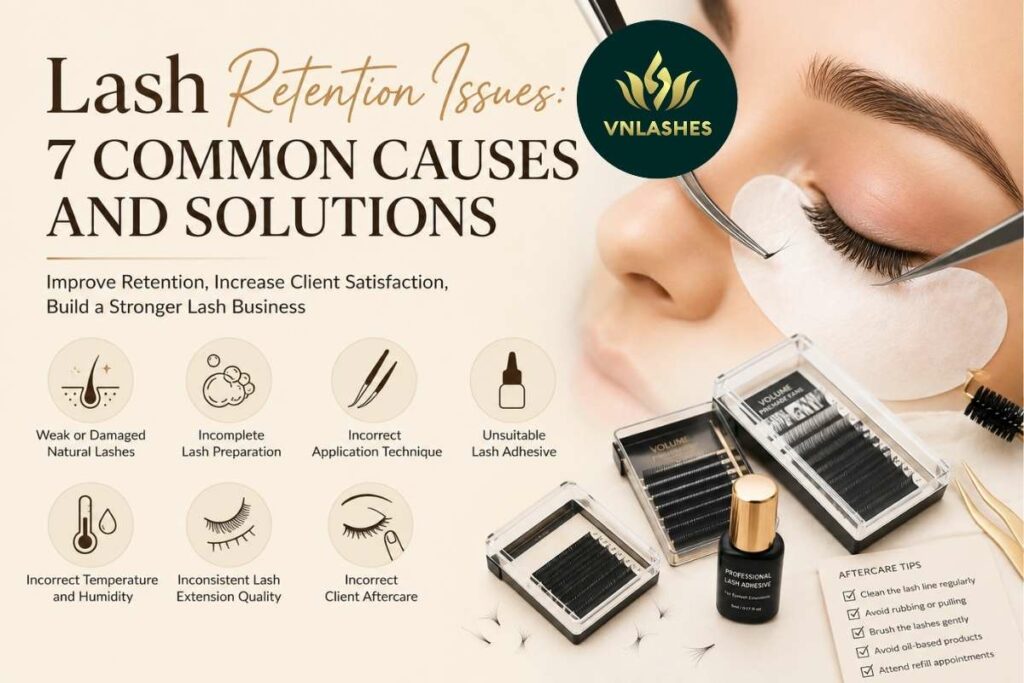
Lash retention issues can affect client satisfaction, salon reputation, and the overall performance of a lash business. When extensions fall out too early, the cause may come from application technique, adhesive performance, natural lash condition, aftercare habits, or product consistency.
As an eyelash manufacturer and wholesale lash supplier, we understand that better retention depends on professional technique, stable materials, and consistent application conditions. Below are seven common lash retention issues and practical ways to reduce early fallout.
What Are Lash Retention Issues?
Lash retention issues occur when eyelash extensions shed too early or fail to remain securely attached to the natural lashes.
A professionally applied lash set should gradually shed with the natural growth cycle. Heavy fallout within the first few days may indicate poor preparation, incorrect attachment, unsuitable adhesive, unstable room conditions, or improper aftercare.
Understanding the cause of lash retention issues helps lash technicians improve application quality and achieve more predictable results.
1. Weak or Damaged Natural Lashes
Natural lashes form the foundation of every extension set. Weak, damaged, oily, or excessively dry lashes may not support extensions as effectively as healthy ones.
How Natural Lash Health Affects Retention
Fragile natural lashes may shed more quickly or struggle to hold extensions with excessive length or weight. This can result in poor retention even when the application technique is correct.
Lash technicians should assess the client’s natural lashes before selecting the appropriate length, diameter, and fan weight. Lightweight extensions can reduce stress on weak lashes and support better wear time.
Clients should also avoid rubbing their eyes, pulling the extensions, or using harsh products around the lash line.
2. Incomplete Lash Preparation
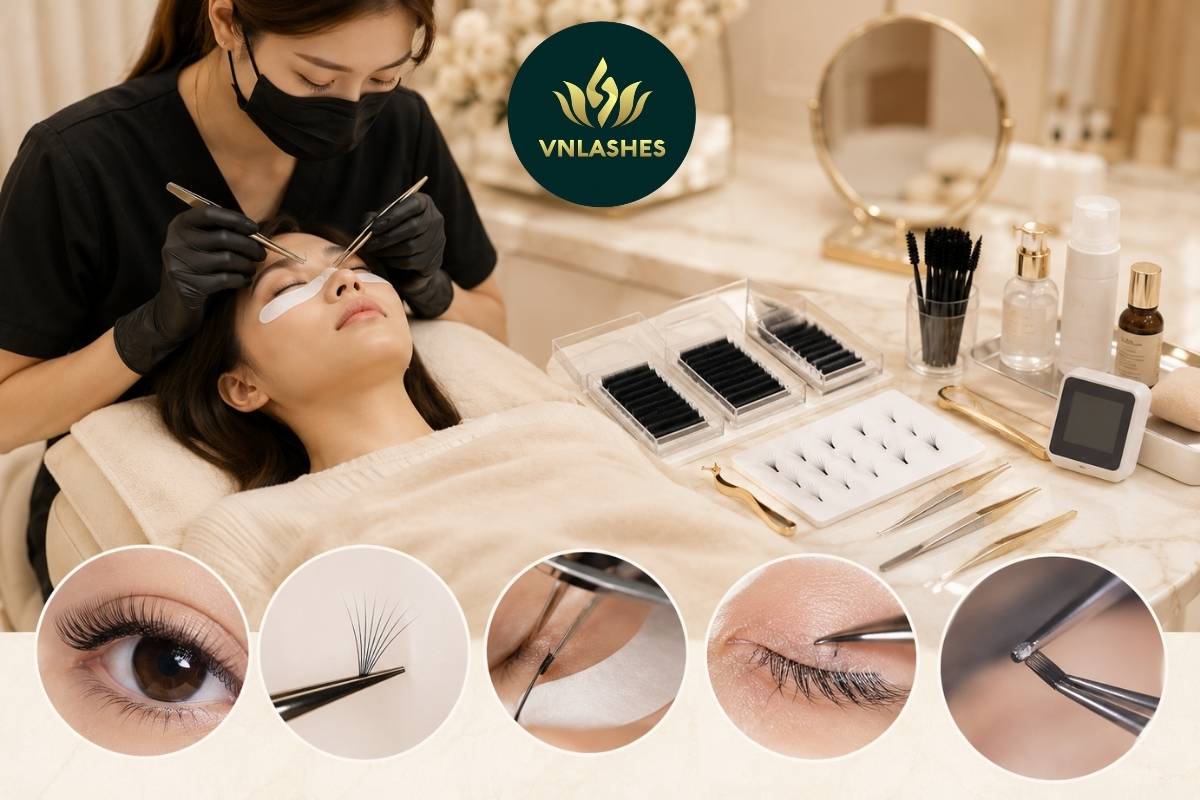
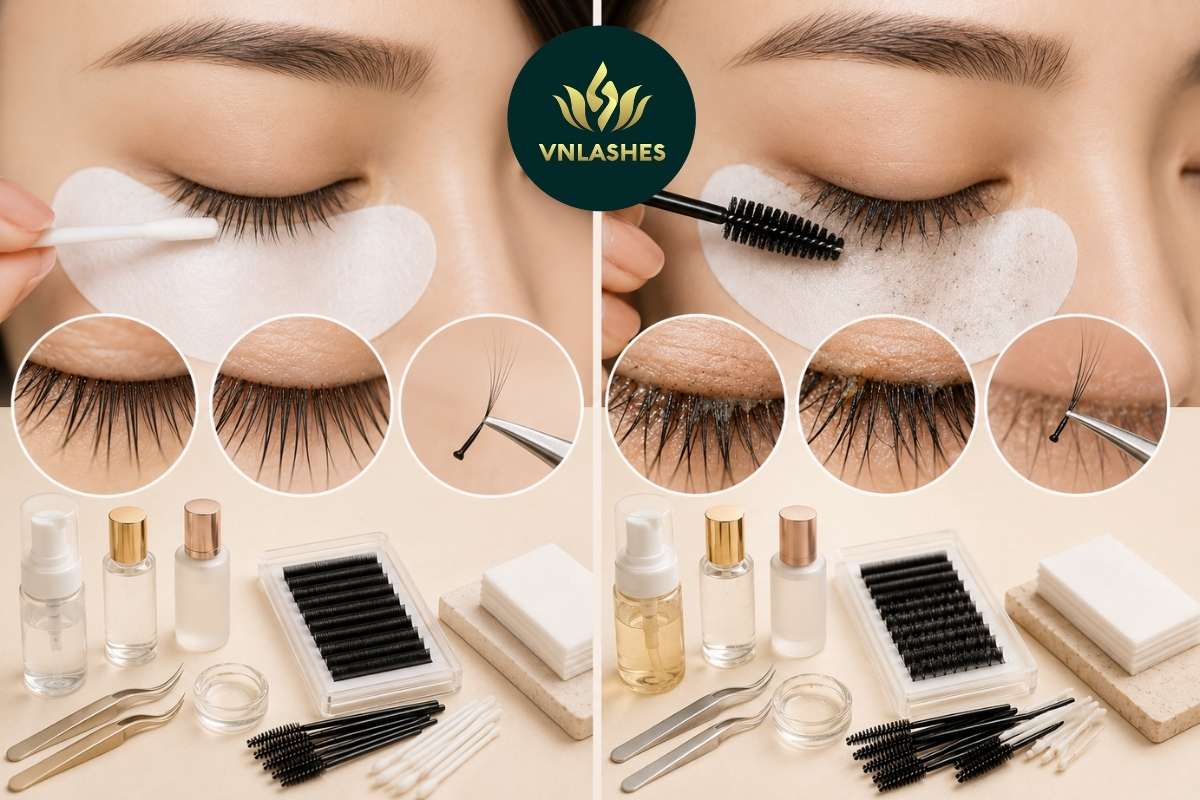
Oil, makeup, dust, skincare residue, and dead skin can interfere with the adhesive bond. Inadequate cleansing is one of the most common lash retention issues.
How to Prepare the Lash Line Correctly
Before application, the lash line should be cleaned thoroughly with a suitable lash cleanser. The lashes should then be rinsed and dried completely.
Primer should only be used when appropriate for the client’s lash condition. Applying extensions to a clean and dry surface helps create a stronger and more stable bond.
Poor preparation can cause early fallout, uneven attachment, and inconsistent retention across the lash set.
3. Incorrect Application Technique
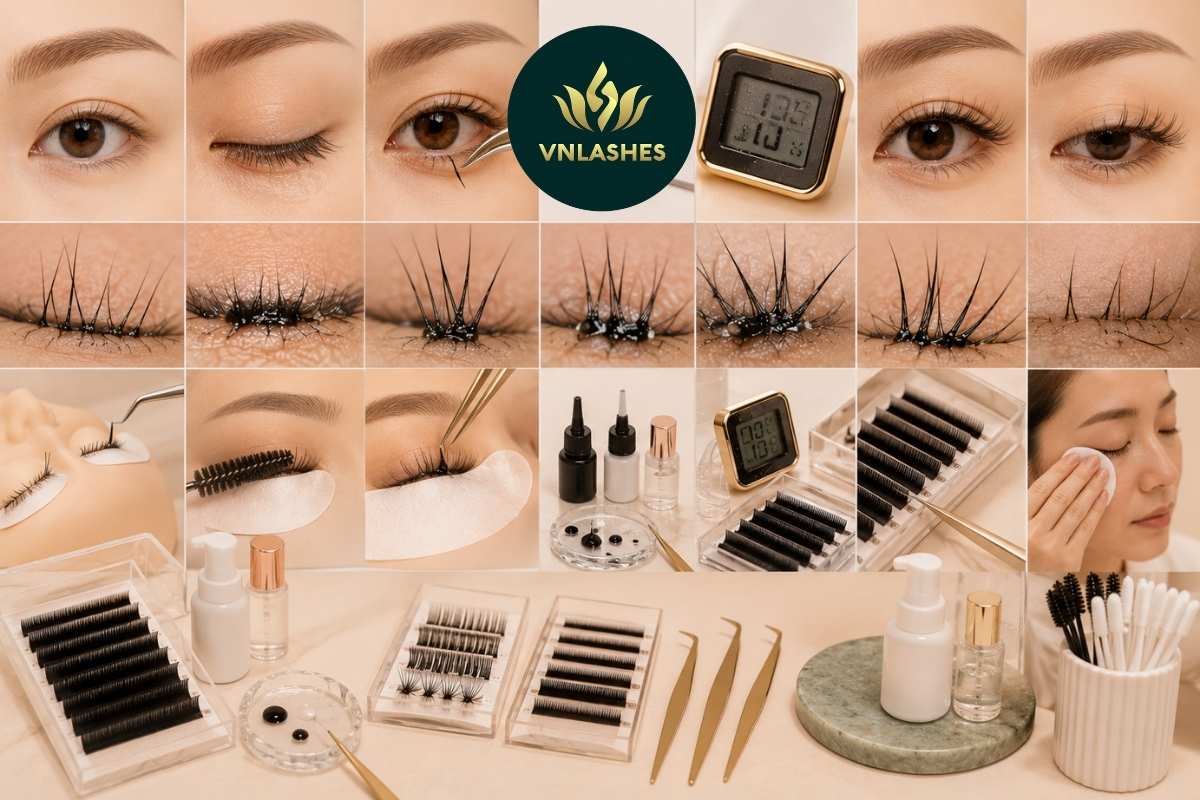
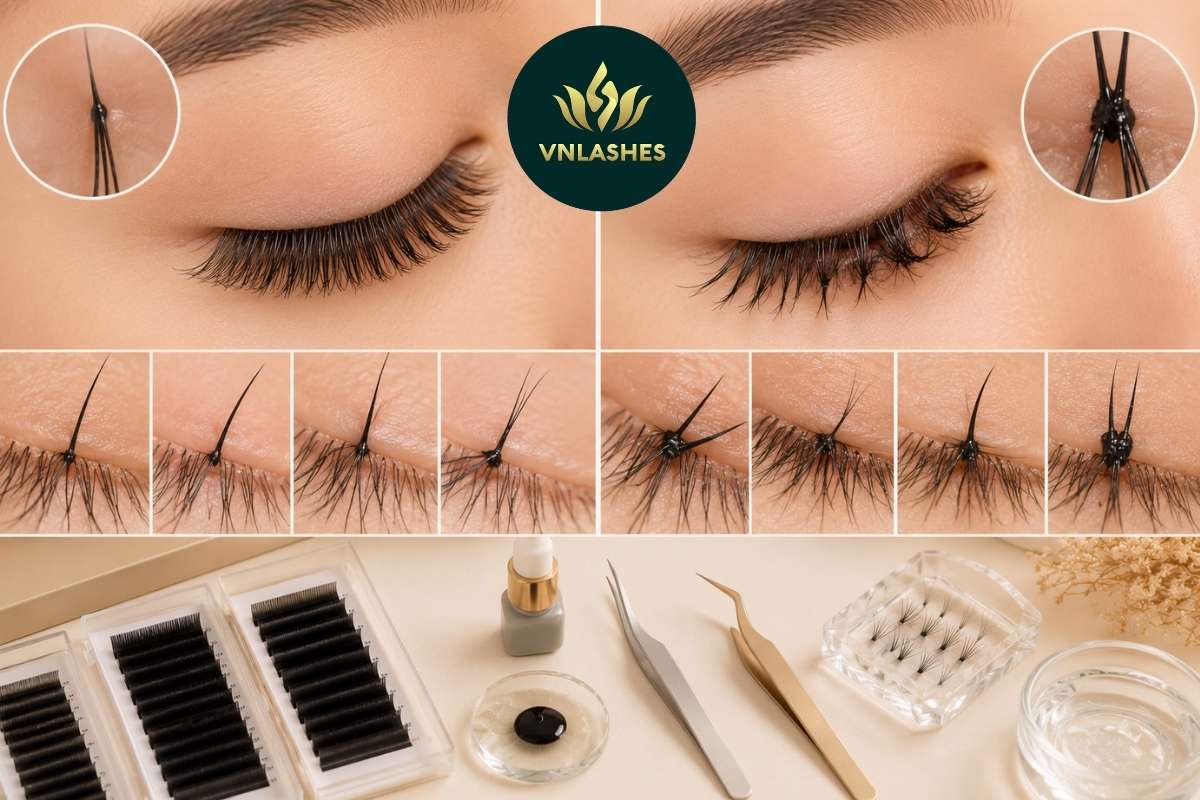
Even high-quality materials cannot compensate for poor placement. A limited contact area, incorrect angle, excessive adhesive, or weak isolation can reduce lash extension retention.
How to Improve Lash Attachment
Each extension or premade fan should have sufficient contact with the natural lash. The base must sit evenly without lifting, twisting, or touching the skin.
Proper isolation is also essential. Stuck lashes may cause discomfort, damage the natural lashes, and reduce the overall quality of the set.
Consistent attachment, correct placement, and suitable adhesive quantity help prevent common lash retention issues caused by technique.
4. Unsuitable Lash Adhesive
Adhesive selection has a direct effect on retention. A glue may cure too quickly, too slowly, or inconsistently when it does not match the lash technician’s working speed or studio environment.
How to Choose a Suitable Adhesive
Lash professionals should consider:
- Drying time
- Recommended humidity range
- Recommended temperature range
- Application speed
- Experience level
- Client sensitivity requirements
The adhesive bottle should be stored correctly, shaken before use, and replaced within the recommended period after opening.
Using old, poorly stored, or unsuitable adhesive may weaken the bond and contribute to lash retention issues.
5. Incorrect Temperature and Humidity
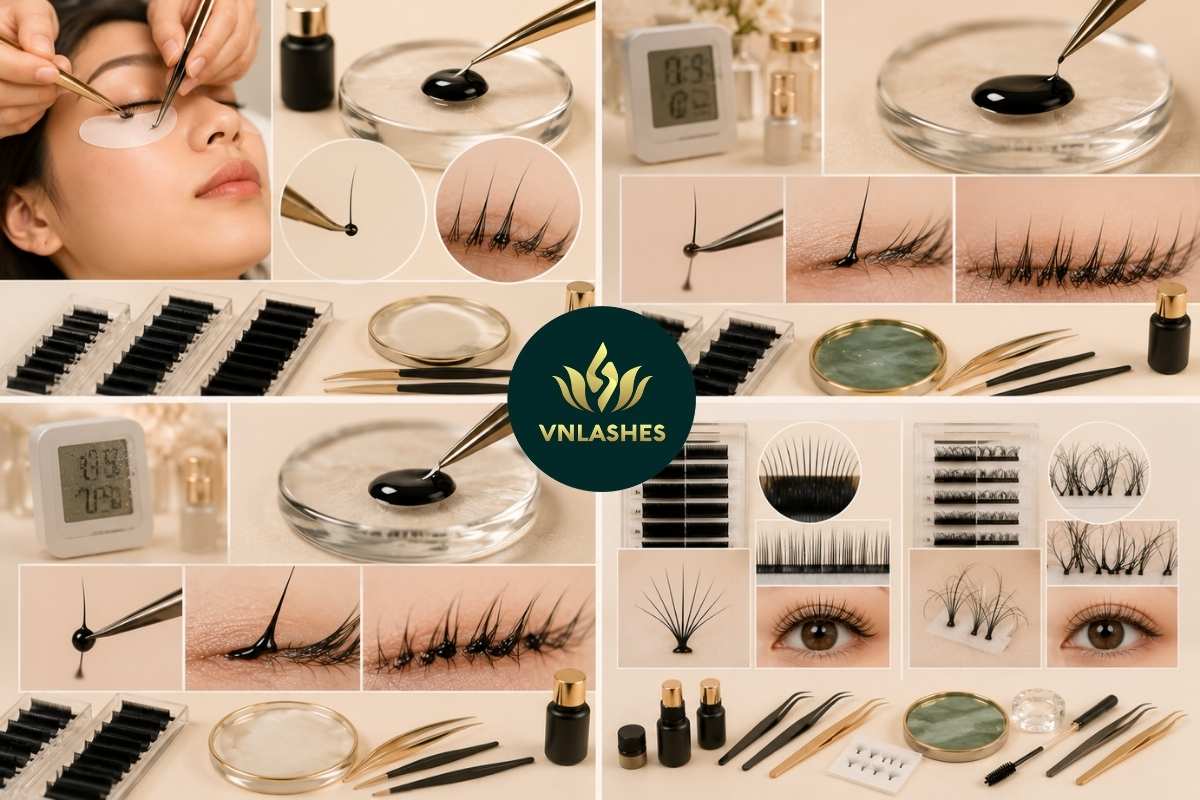
Temperature and humidity strongly influence the adhesive curing process. Unstable conditions can cause poor bonding even when the lash technician uses the correct application technique.
How Room Conditions Affect Lash Retention
High humidity may cause the adhesive to cure before the extension is properly attached. Low humidity may slow curing and create a weaker bond.
A hygrometer and thermometer should be used to monitor the lash room. Technicians should follow the temperature and humidity range recommended by the adhesive supplier.
Air conditioning, humidifiers, dehumidifiers, and controlled ventilation can help maintain more stable working conditions.
6. Inconsistent Lash Extension Quality
Poorly produced lash fibers may have uneven curls, irregular bases, excessive surface shine, or unwanted residue. These issues can make application more difficult and may contribute to lash retention issues.
Why Manufacturing Consistency Matters
Professional lash products should provide:
- Stable curl
- Accurate thickness
- Clean fiber surfaces
- Uniform shape
- Lightweight construction
- Neat and consistent bases
As a wholesale eyelash manufacturer, we focus on curl stability, fiber uniformity, base precision, and batch consistency.
Reliable specifications help lash technicians create stable attachments and reduce problems caused by irregular product quality.
7. Incorrect Client Aftercare
Lash retention issues do not always come from the application process. Client habits can significantly affect how long a set remains neat and secure.
Oil-based cosmetics, frequent eye rubbing, poor cleansing, excessive heat, and sleeping face-down may shorten wear time.
Essential Aftercare Guidelines
Clients should be advised to:
- Clean the lash line regularly
- Avoid rubbing or pulling the extensions
- Brush the lash set gently
- Limit excessive heat and steam exposure
- Avoid oily products around the eyes
- Attend refill appointments as scheduled
Clear aftercare instructions help reduce early fallout and maintain longer-lasting results.
How Lash Manufacturers Help Reduce Lash Retention Issues
A manufacturer cannot control every stage of the application process, but consistent production can reduce unnecessary variables.
Professional lash fibers should be lightweight, clean, uniform, and easy to attach. Premade fans should have stable curls, balanced shapes, and neat bases. Lash trays should also provide accurate specifications for curl, length, diameter, and volume.
For wholesalers, salon suppliers, and private-label brands, dependable manufacturing quality helps maintain stable product performance across multiple batches.
Consistent lash products can support better application results, reduce complaints, and help technicians identify whether lash retention issues come from technique, adhesive, aftercare, or the products themselves.
Frequently Asked Questions About Lash Retention Issues
Why Do Lash Extensions Fall Out After a Few Days?
Early shedding may result from incomplete cleansing, poor attachment, unsuitable adhesive, incorrect humidity, oily products, or weak natural lashes.
How Can Lash Retention Issues Be Improved?
Retention can be improved through correct preparation, suitable adhesive selection, stable room conditions, proper placement, consistent product quality, and clear aftercare guidance.
Can Low-Quality Lash Fibers Affect Retention?
Yes. Irregular bases, inconsistent thickness, or residue on the fibers can reduce attachment stability and make application less predictable.
Does Humidity Affect Lash Extension Retention?
Yes. Humidity changes the curing speed of lash adhesive. Technicians should use an adhesive suitable for their working conditions and monitor the room regularly.
Are Premade Fans Suitable for Better Retention?
High-quality premade fans can provide reliable retention when they are lightweight, well-balanced, cleanly formed, and correctly attached.
Final Thoughts
Lash retention issues usually result from several factors rather than one single mistake. Natural lash condition, preparation, technique, adhesive selection, room environment, product consistency, and aftercare all influence the final outcome.
For lash professionals, improving retention requires careful application, stable working conditions, and clear client education. For wholesalers and lash brands, consistent manufacturing helps ensure uniform fibers, precise bases, accurate specifications, and dependable quality across every production batch.


Bài viết liên quan
Zero Time Promade Fan Lashes – Wholesale Manufacturer & OEM Services
For lash salons and professional eyelash brands, application efficiency and consistent quality are important factors...
Oct
Magic Fan And Zero Time Promade Fan – A Faster, Time-Saving Lash Extension Solution
In the professional lash extension industry, application speed and product consistency are important factors for...
Oct
Custom Magic Fans Manufacturing and OEM Services: Production Process
When sourcing Magic Fans in bulk, buyers need more than just an attractive lash tray....
Aug
Lash Extension Removal: Common Mistakes and Safe Techniques
Lash extension removal is an important part of professional lash care. When extensions are removed...
Jul
Lash Foam Cleansers: A Practical Guide for Lash Professionals
Lash foam cleansers are essential products for cleaning natural lashes, eyelids and eyelash extensions. They...
Jul
Lash Adhesive Remover: A Must-Have Product for Professional Lash Businesses
In the lash industry, a beautiful lash set is not only about application. Safe, clean,...
Jul