
 Deutsch
 Русский
 Español
 Français
No products in the cart.

Lash Extension Guides, Eyelash Knowledge & Education
Lash Placement: A Practical Guide to Better Extension Results
12
Jul
Jul
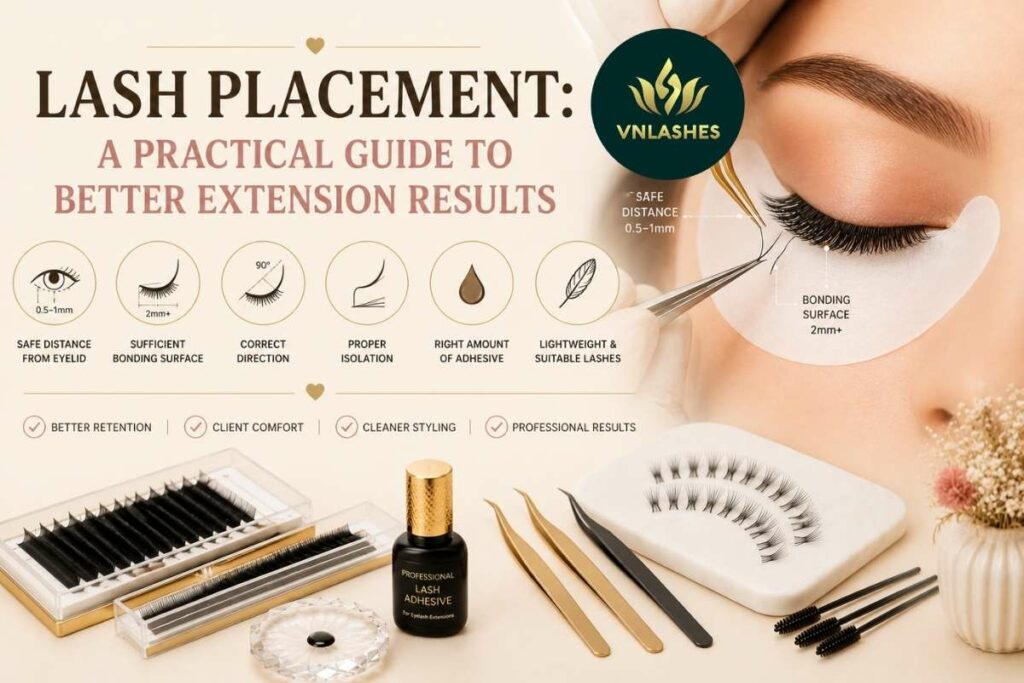
Correct lash placement is one of the most important skills in professional eyelash extension application. Even when high-quality lashes and adhesive are used, poor positioning can affect comfort, retention, symmetry, and the final appearance of the lash set.
As an eyelash manufacturer and wholesale supplier, we understand that consistent results depend on both reliable products and proper application techniques. This guide explains the essential principles of lash placement for lash artists, salons, academies, and beauty businesses.
What Is Lash Placement?
Lash placement refers to the distance, direction, angle, and bonding position used when attaching an extension to an individual natural lash.
Proper lash extension positioning should:
- Maintain a safe distance from the eyelid
- Provide enough bonding contact
- Follow the intended direction
- Remain separated from neighboring lashes
- Support a balanced and comfortable result
Good lash placement can improve retention, reduce discomfort, and create a cleaner lash line.
Why Proper Lash Placement Matters
Incorrect lash placement may cause visible gaps, uneven direction, weak attachment, discomfort, or premature shedding.
Better Lash Retention
A secure bond requires sufficient contact between the extension and the natural lash. When the bonding surface is too small or uneven, the extension may twist, lift, or fall off earlier than expected.
Improved Client Comfort
Extensions should not touch the skin or pull on nearby lashes. Correct lash placement allows natural lashes to move and grow without unnecessary tension.
Cleaner Lash Styling
Consistent angles and spacing create a more polished design. This is especially important for structured styles such as cat-eye, doll-eye, fox-eye, wispy, and volume lash sets.
1. Maintain the Correct Lash Placement Distance
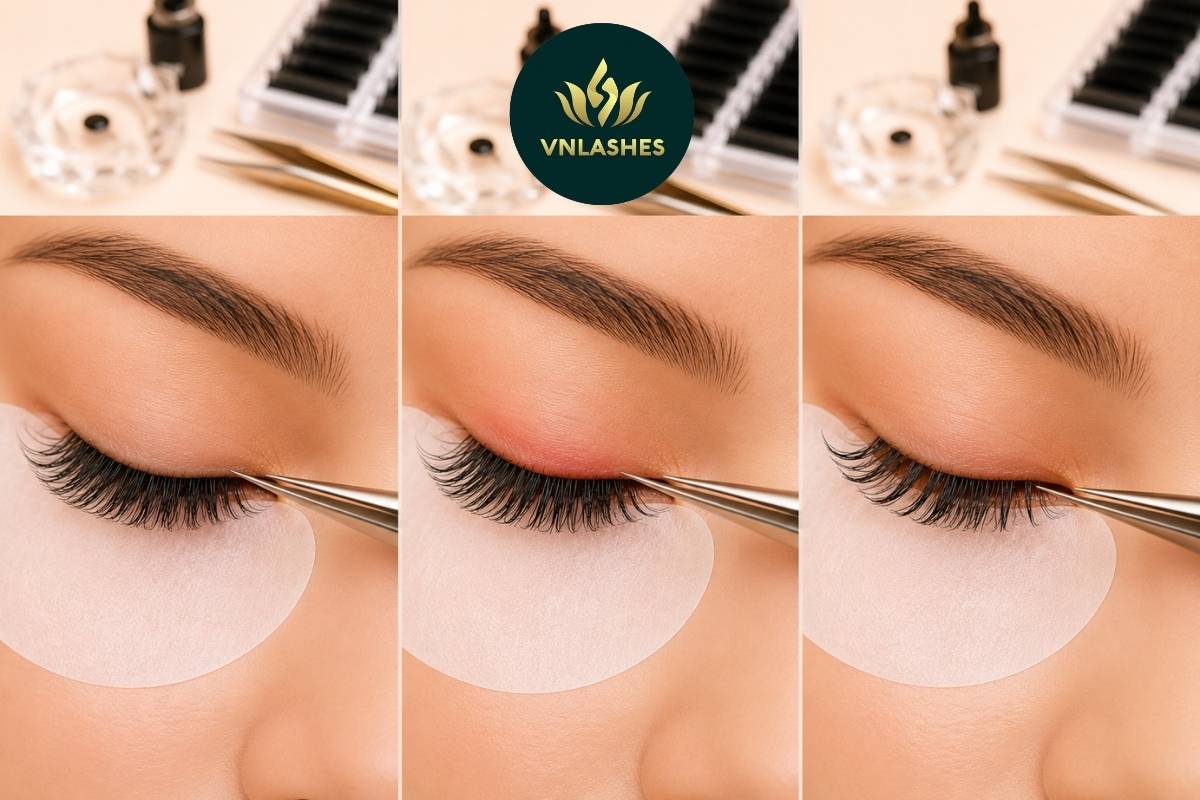
Extensions are generally positioned approximately 0.5 to 1 mm away from the eyelid.
Lash Placement That Is Too Close
When an extension is attached too near the skin, it may cause itching, rubbing, irritation, or discomfort during blinking.
Adhesive should never be applied directly to the eyelid.
Lash Placement That Is Too Far Away
Positioning the extension too far from the lash line may create a visible gap. It can also make the lash set appear uneven as the natural lashes grow.
Maintaining consistent distance is an essential part of professional lash placement.
2. Create a Sufficient Bonding Surface
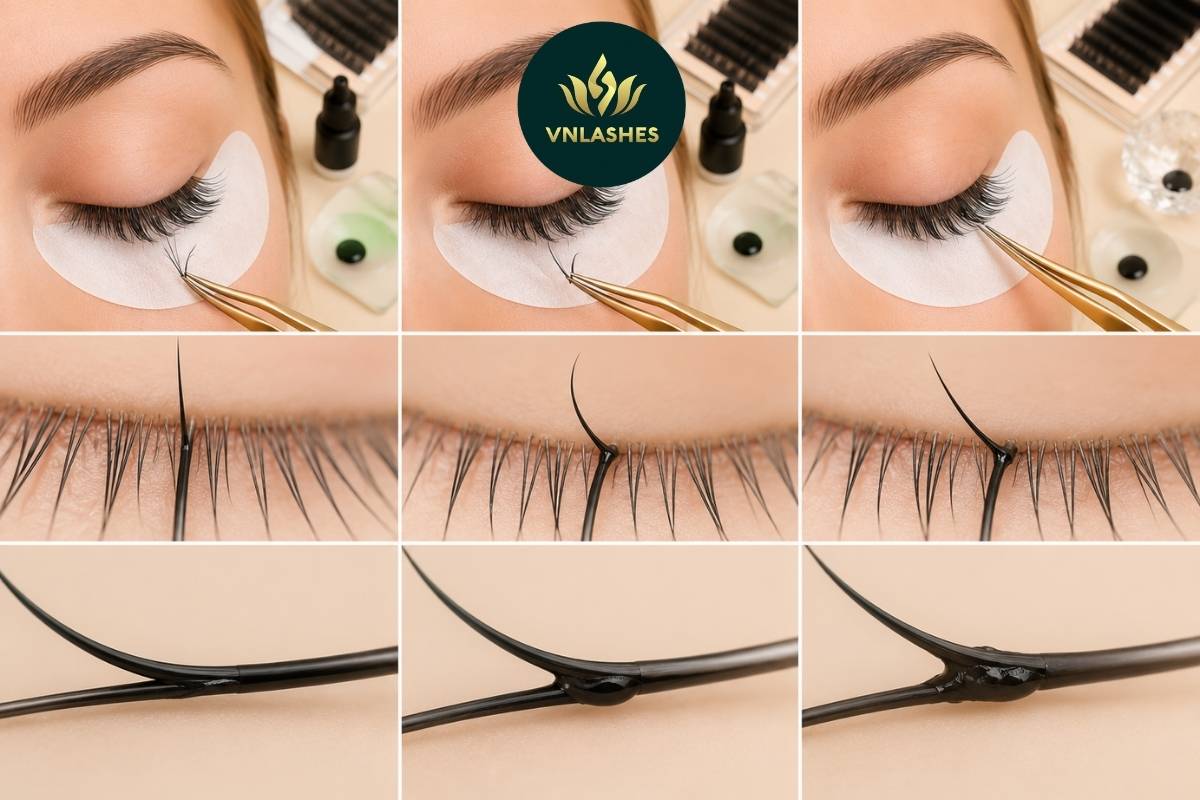
The bonding surface is the section where the extension connects with the natural lash.
Recommended Contact Area
The extension should have enough contact to form a stable bond. In many applications, a bonding length of approximately 2 mm or more can provide suitable support, depending on the lash type and natural lash condition.
Avoid Weak Lash Attachment
Attaching an extension at only one small point may cause lifting, twisting, or early shedding.
Natural lashes that are severely bent, damaged, or growing in an unsuitable direction may need to be skipped rather than forced into an unstable position.
3. Control the Lash Placement Direction
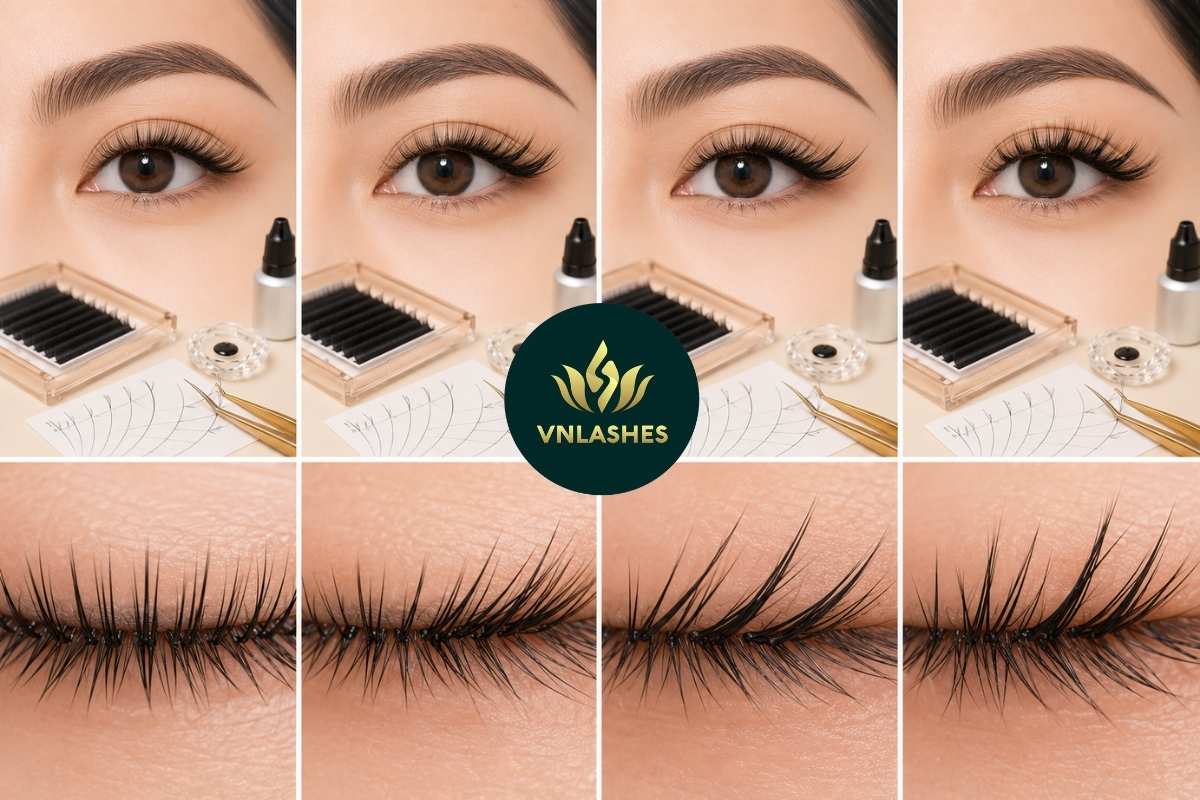
Direction is an important part of creating an even and symmetrical lash line.
Standard Lash Placement Angle
For many lash designs, extensions are positioned at approximately a 90-degree angle from the lash line. The direction should be assessed from the client’s eye rather than only from the technician’s viewing angle.
Adjusting Direction for Different Styles
The lash placement angle may be modified slightly when creating styles such as:
- Cat-eye lashes
- Fox-eye lashes
- Wispy lash sets
- Kim K designs
- Squirrel-eye mapping
Even when the direction changes, the extensions should still flow smoothly and remain balanced across the eye.
4. Choose Top, Side, or Bottom Lash Placement
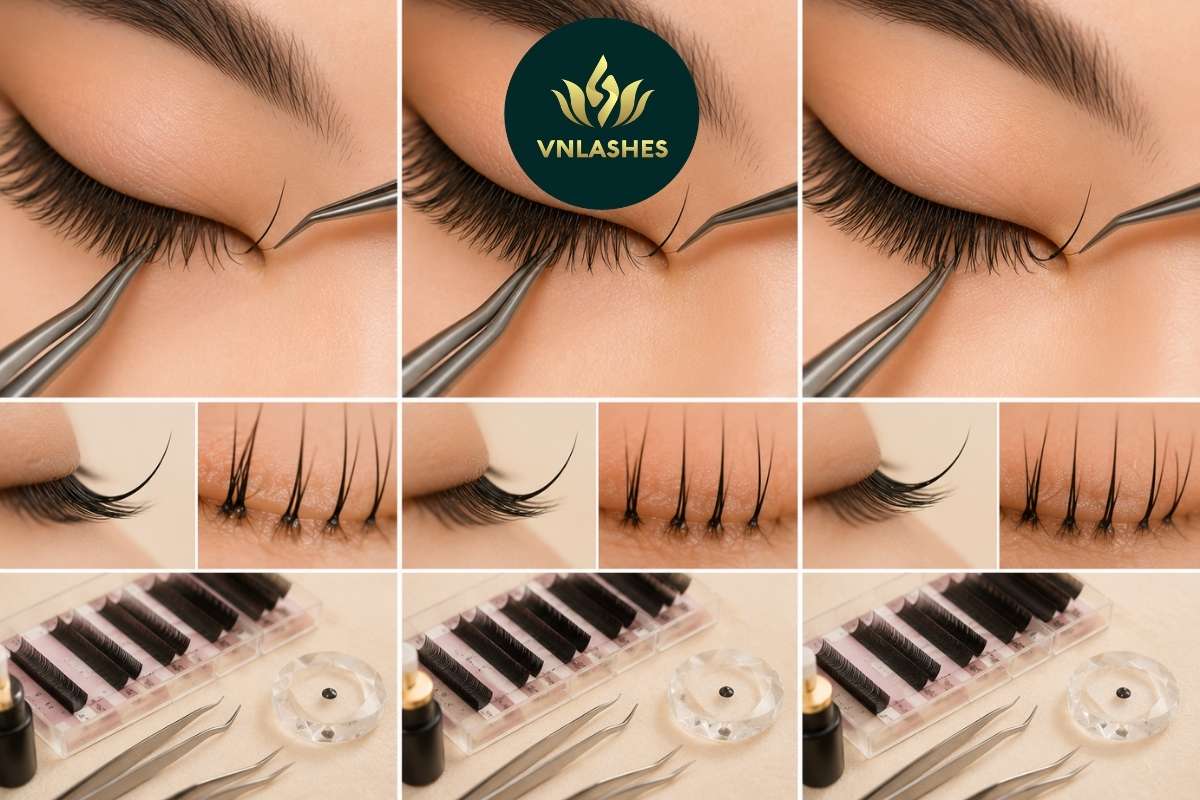
The most suitable attachment position depends on the growth direction and condition of the client’s natural lashes.
Top Lash Placement
Top placement is commonly used for straight or downward-growing lashes.
This position can create a more lifted appearance and is often easier for lash technicians to control.
Side Lash Placement
Side placement can help fill visible spaces between natural lashes and create a fuller lash line.
It may be useful for clients with sparse lashes, provided the bond remains secure and properly aligned.
Bottom Lash Placement
Bottom placement may suit natural lashes that grow upward or have a strong natural curl.
Applying the extension underneath can help prevent the finished set from appearing overly curled or inconsistent.
5. Use the Right Amount of Adhesive
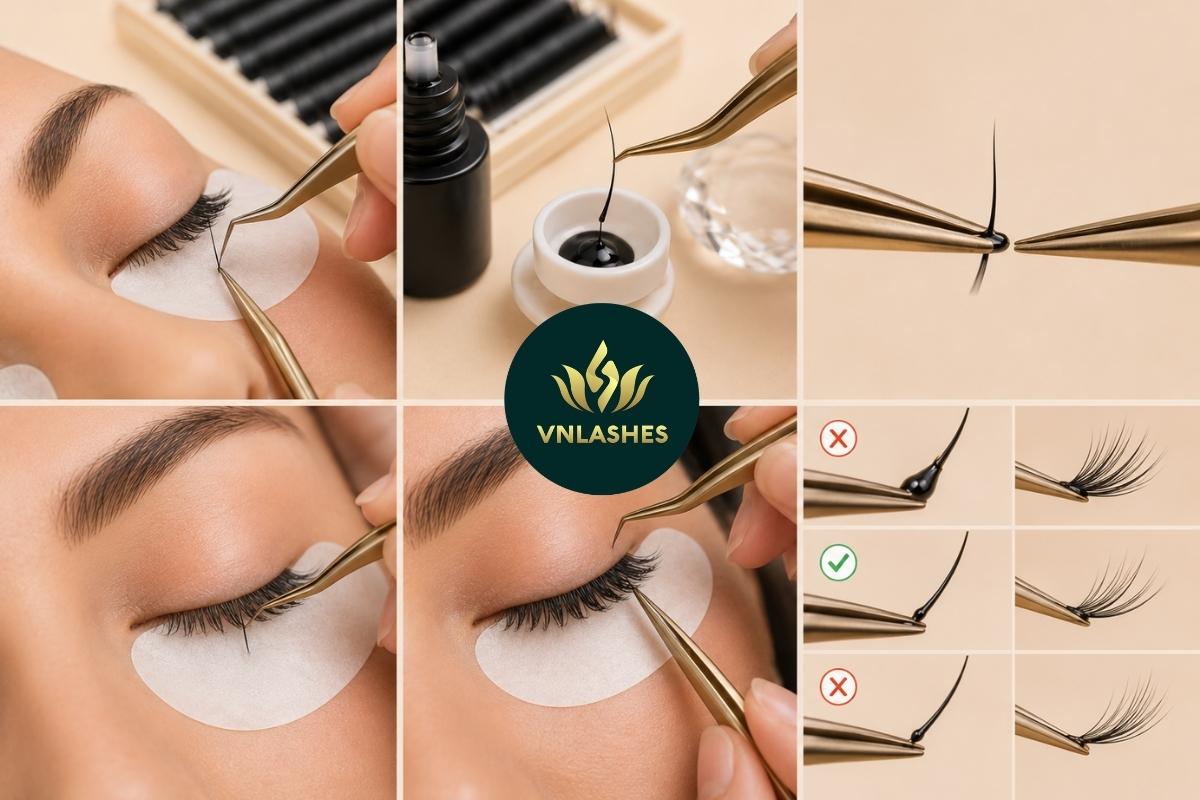
Adhesive control plays an important role in successful lash placement.
Too Much Adhesive
Excess glue may create thick bases, visible beads, stickiness, or poor separation.
Too Little Adhesive
Insufficient glue can weaken the bond and reduce retention.
The adhesive should cover the required bonding area without creating a bulky or heavy base.
6. Isolate Each Natural Lash
Each extension should normally be applied to one fully isolated natural lash.
Poor isolation may cause multiple lashes to stick together. Because natural lashes grow at different speeds, this can create pulling, discomfort, or damage.
Careful isolation supports accurate lash placement and helps maintain a clean, comfortable lash set.
7. Match the Extension to the Natural Lash
Correct lash placement also depends on choosing a suitable extension.
Consider Extension Weight
The extension should not be too heavy for the natural lash. Excessive weight may cause twisting, stress, or premature shedding.
Consider Curl and Length
The selected curl and length should suit the natural growth direction and the intended design.
As a wholesale eyelash manufacturer, VNLASHES produces lash extensions in multiple curls, diameters, lengths, and fan styles to support different lash placement techniques.
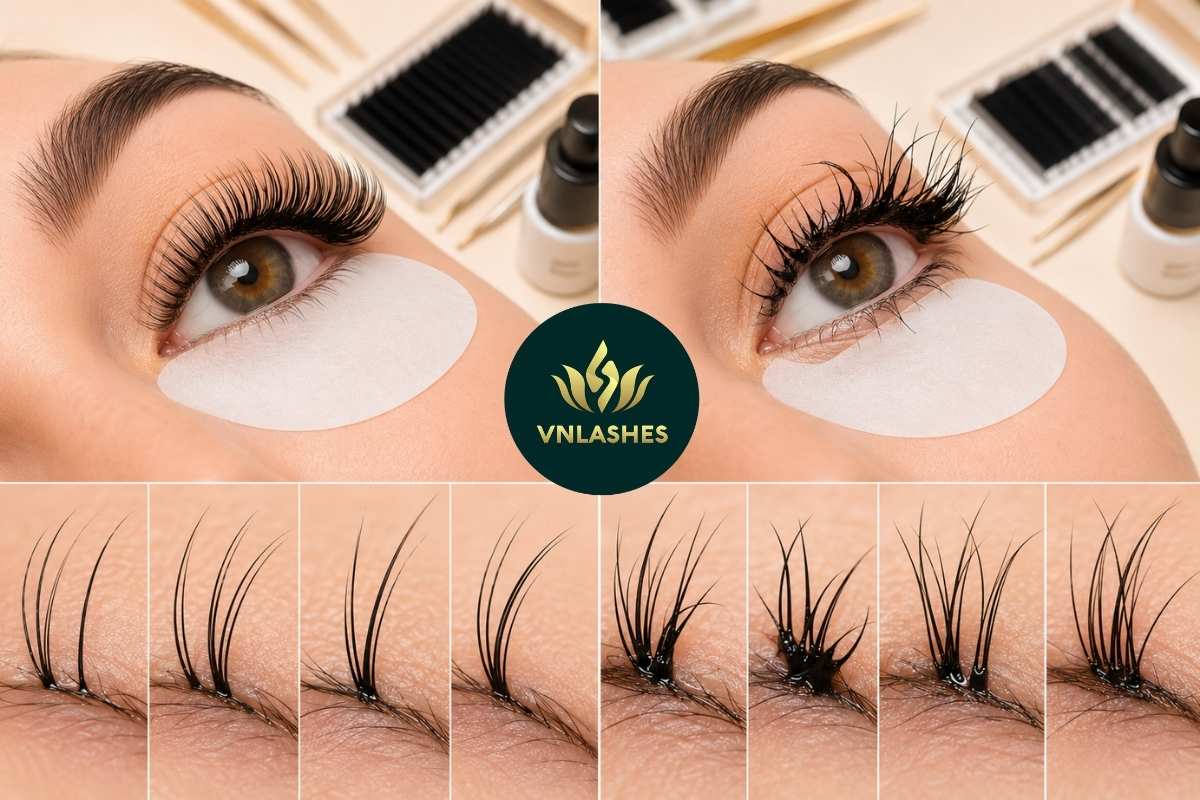
Common Lash Placement Mistakes
Frequent application mistakes include:
- Attaching extensions directly to the skin
- Positioning lashes too far from the lash line
- Using an insufficient bonding surface
- Applying too much adhesive
- Creating inconsistent angles
- Failing to isolate natural lashes
- Choosing extensions that are too long or heavy
- Allowing the lash base to lift or twist
Checking the set throughout the application process can help prevent these lash placement problems.
How Product Quality Supports Better Lash Placement
Application skill remains essential, but consistent materials can make lash placement easier and more predictable.
Stable Curl
A uniform curl helps technicians maintain an even design across the lash line.
Clean and Narrow Bases
Consistent bases support precise attachment and better adhesive control.
Accurate Length and Thickness
Reliable product specifications help lash artists create balanced maps and repeatable results.
Easy Fan Handling
Well-organized lash strips and premade fans can reduce application time while supporting cleaner placement.
As an eyelash extension manufacturer and wholesale supplier, VNLASHES focuses on stable curls, consistent dimensions, deep black fibers, and clean bases for professional lash placement.
Lash Placement for Different Products
Classic Lash Extensions
Classic extensions require precise one-to-one attachment and careful direction control.
Volume Lash Extensions
Volume fans need a stable base and sufficient bonding contact without excess adhesive.
Premade Fans
Premade fans should have lightweight, uniform bases that sit securely on the natural lash.
Flat Lash Extensions
Flat lashes provide a wider contact surface, which may support reliable retention when positioned correctly.
Final Thoughts
Effective lash placement combines suitable distance, sufficient bonding contact, controlled direction, careful isolation, and appropriate product selection.
For lash artists, mastering lash placement can improve comfort, retention, symmetry, and consistency. For salons, distributors, and lash brands, stable lash specifications also help support more predictable application results across different techniques and styles.


Bài viết liên quan
Private Label Lashes: Build Your Own Lash Brand With A Trusted Manufacturer
Building a successful business in today’s beauty industry involves more than simply selling high-quality products....
Oct
Zero Time Promade Fan Lashes – Wholesale Manufacturer & OEM Services
For lash salons and professional eyelash brands, application efficiency and consistent quality are important factors...
Oct
Magic Fan And Zero Time Promade Fan – A Faster, Time-Saving Lash Extension Solution
In the professional lash extension industry, application speed and product consistency are important factors for...
Oct
Custom Magic Fans Manufacturing and OEM Services: Production Process
When sourcing Magic Fans in bulk, buyers need more than just an attractive lash tray....
Aug
Lash Extension Removal: Common Mistakes and Safe Techniques
Lash extension removal is an important part of professional lash care. When extensions are removed...
Jul
Lash Foam Cleansers: A Practical Guide for Lash Professionals
Lash foam cleansers are essential products for cleaning natural lashes, eyelids and eyelash extensions. They...
Jul