
 Deutsch
 Русский
 Español
 Français
No products in the cart.

Eyelash Knowledge & Education, Lash Aftercare & Safety
Lash Extensions Remover: Professional Removal Solutions for Salons and Wholesale Buyers
05
Jul
Jul
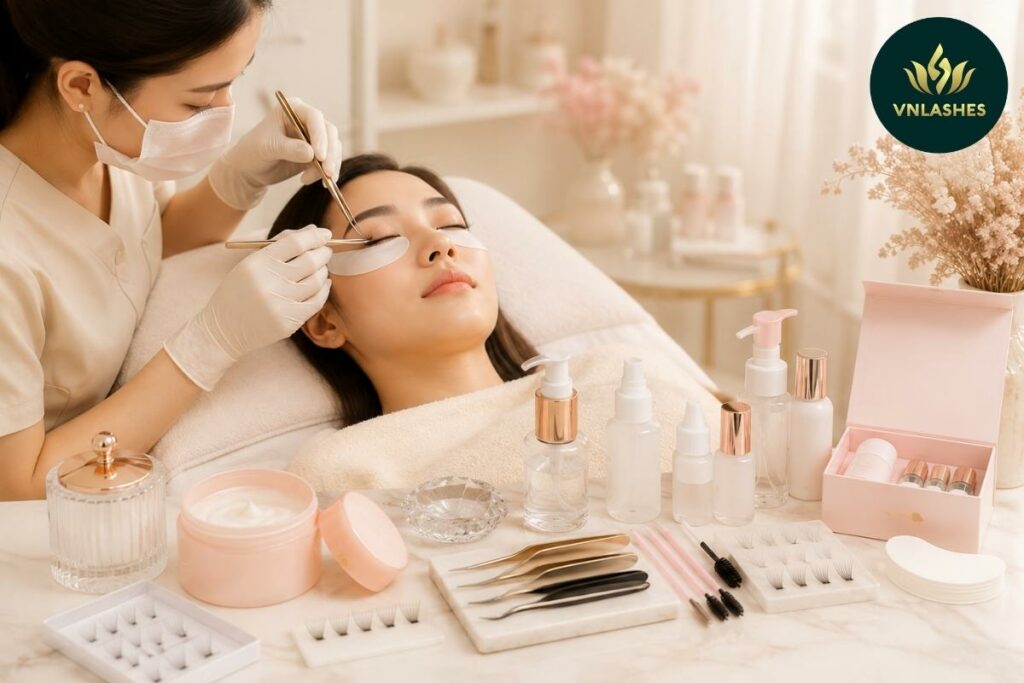
Choosing the right lash extensions remover is an important step for every lash salon, lash technician, beauty brand, and distributor. A quality remover does more than dissolve adhesive — it helps create a more controlled removal process, reduce client discomfort, and prepare natural lashes for the next set.
As a lash product manufacturer and wholesale supplier, we understand that professional buyers need more than a product that simply “works.” They need stable texture, reliable packaging, clear labeling, and private label support for their own brand.
What Is Lash Extensions Remover?
Lash extensions remover is a professional product designed to soften eyelash extension adhesive so extensions can be removed from natural lashes more gently.
Unlike pulling, rubbing, or using oil-based home methods, a professional lash remover helps break down the glue bond when used correctly by trained lash artists.
For salons and lash brands, this product is essential because clients often need removal before:
- A new full lash set
- A lash style change
- Retention correction
- Removal of old extensions
- Switching from one lash design to another
Why Proper Lash Extension Removal Matters
Proper removal is not only about comfort. It also affects client trust, natural lash condition, and the retention of future lash sets.
When extensions are removed incorrectly, it may cause:
- Natural lash breakage
- Redness or irritation
- Gaps in the lash line
- Poor bonding for the next set
- A negative salon experience
For lash artists, using the right eyelash extension remover shows professionalism. For wholesale buyers, offering a reliable remover can help increase customer satisfaction and repeat orders.
Main Types of Lash Remover
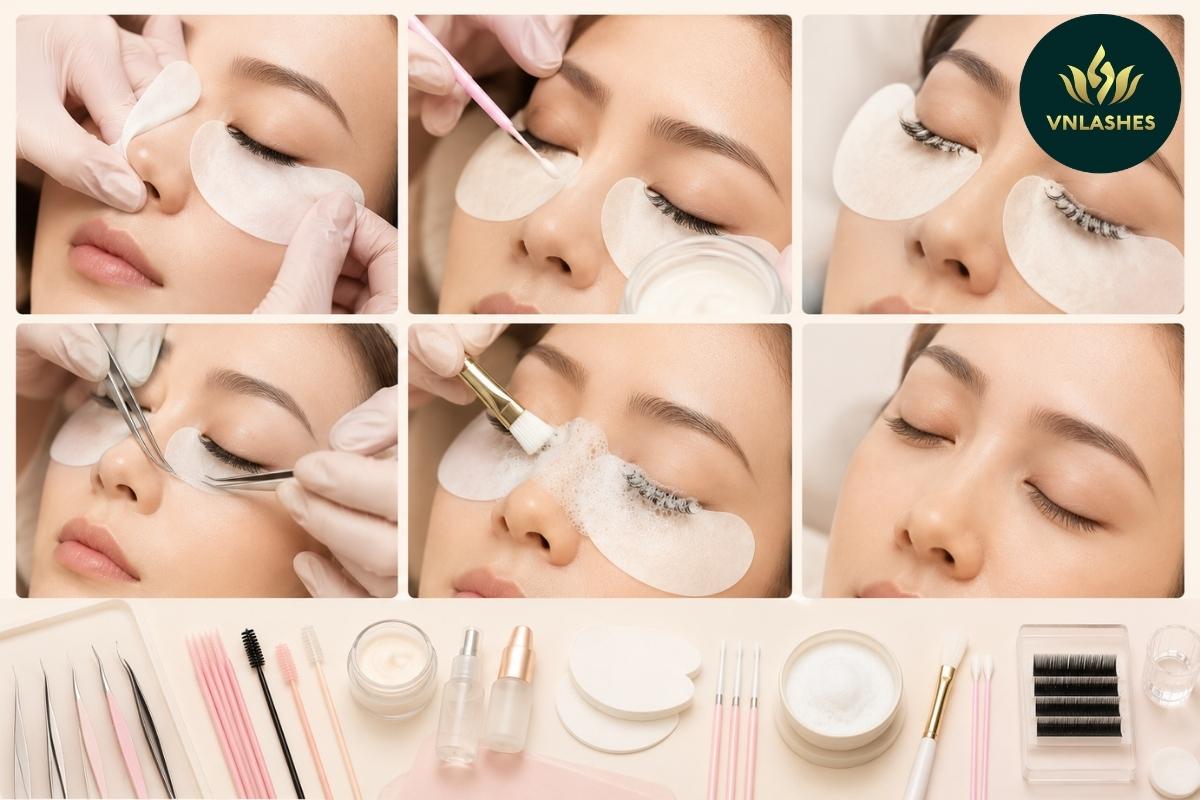
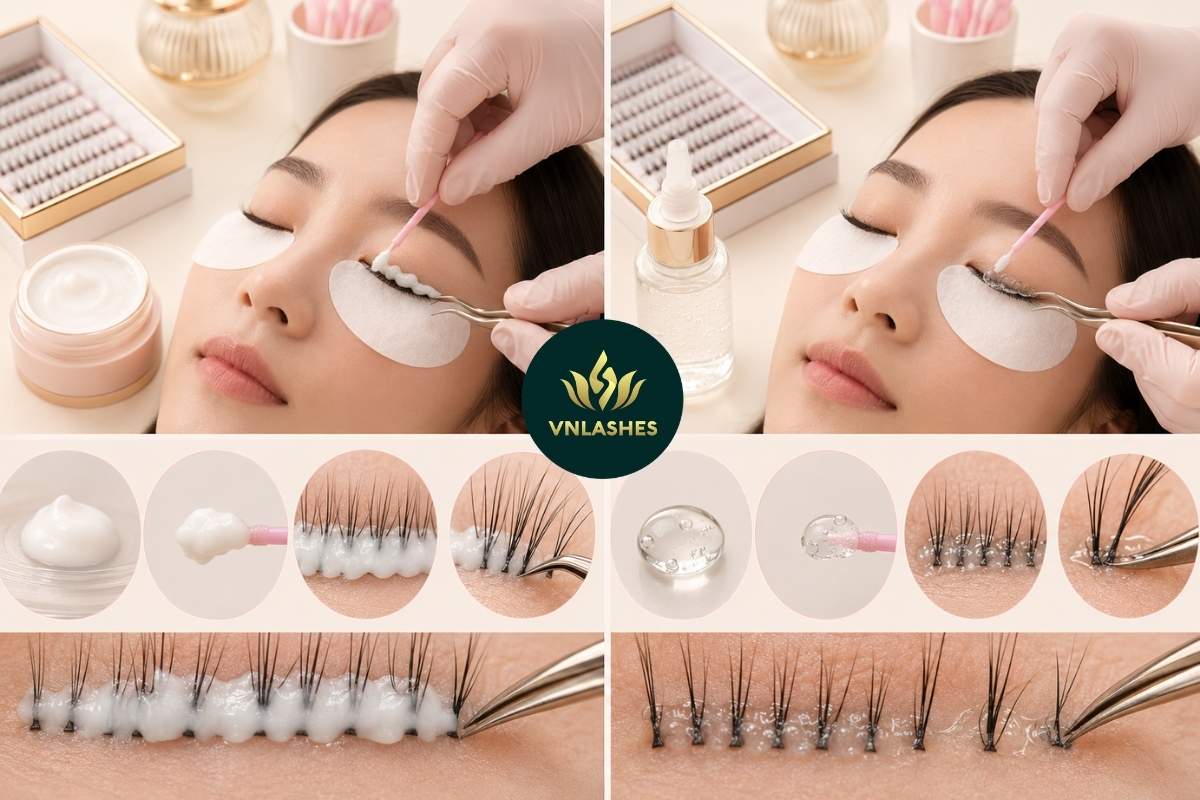
Different salons and markets may prefer different remover textures. The two most common options are cream remover and gel remover.
Cream Lash Remover
Cream remover has a thick texture that stays in place during application. It is often preferred by beginners, sensitive clients, and salons that want better control during the removal process.
Benefits of Cream Remover
- Easy to control
- Less likely to spread
- Suitable for sensitive clients
- Good for full-set removal
- Beginner-friendly texture
Cream remover is a strong option for salons that want a stable and controlled removal experience.
Gel Lash Remover
Gel remover has a smoother, lighter texture and usually works faster than cream remover. It is often used by experienced lash artists who can apply the product precisely.
Benefits of Gel Remover
- Faster working time
- Good for targeted removal
- Suitable for experienced lash technicians
- Useful for small correction areas
However, gel formulas require more skill because they may spread more easily if too much product is applied.
Cream Remover vs Gel Remover
| Feature | Cream Remover | Gel Remover |
| Texture | Thick and creamy | Smooth gel texture |
| Control | Easy to control | Requires more precision |
| Best for | Beginners, sensitive clients, full removal | Experienced artists, quick correction |
| Risk of spreading | Lower | Higher if over-applied |
| Working speed | Moderate | Faster |
| Wholesale demand | Stable for salons and beauty brands | Popular with professional lash artists |
For many lash brands and salon suppliers, cream remover is easier to introduce because it fits a wider customer group.
10 Common Mistakes When Using Lash Extensions Remover
Using remover correctly is just as important as choosing the right formula. Below are common mistakes lash artists and clients should avoid.
1. Choosing the Wrong Type of Remover
Not every formula fits every skill level. A beginner using a fast-spreading gel remover may increase the risk of discomfort. A salon working with sensitive clients may prefer a thicker cream texture for better control.
Manufacturer Tip
For wholesale buyers, cream remover is usually easier to sell because it is suitable for salons, students, training academies, and clients with more delicate eye areas.
2. Rushing the Removal Process
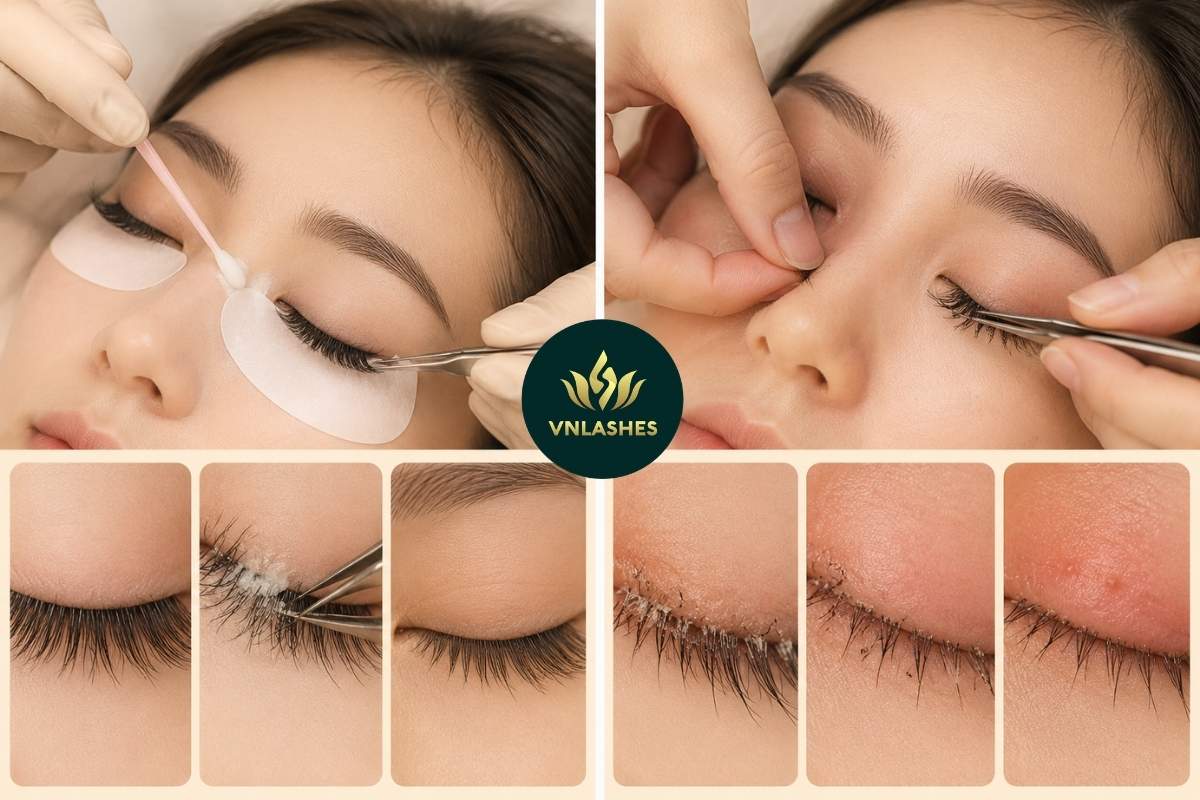
Lash adhesive needs time to soften. If extensions are pulled before the glue has fully broken down, natural lashes may be damaged.
A professional remover should be left on for the recommended time according to the product instructions.
3. Applying Too Much Product
More product does not always mean faster removal. Applying too much remover can cause the formula to spread too close to the eye area.
The best method is to apply a controlled amount with a micro brush or applicator.
4. Applying Too Little Product
Using too little product may not fully dissolve the adhesive. This can make the process longer and may require repeated application.
The formula should cover the bonded area evenly without touching the skin or entering the eyes.
5. Not Protecting the Eye Area
Under-eye pads and proper eye closure are important during removal. The client’s eyes should remain closed throughout the process.
This helps reduce the risk of stinging, redness, or discomfort.
6. Pulling or Tweezing Extensions Off
Extensions should never be pulled out by force. Pulling can remove natural lashes together with the extensions and may cause pain or visible gaps.
Once the adhesive is softened, the extensions should slide off gently.
7. Using DIY Oil-Based Removal Methods
Some clients try to remove extensions at home with coconut oil, baby oil, or makeup remover. These methods are unreliable and may cause irritation or incomplete removal.
Professional removal is always the better option for clients who want a cleaner and more controlled result.
8. Not Cleaning Natural Lashes After Removal
After extensions are removed, adhesive residue may remain on the natural lashes. If the lashes are not cleaned properly, the next set may have poor retention.
A gentle lash shampoo or cleansing product should be used before applying a new set.
9. Using Expired Lash Remover
Expired remover may lose effectiveness or change texture. This can affect removal quality and client comfort.
Lash salons should always check the shelf life, storage condition, and opening date.
10. Not Giving Aftercare Instructions
After removal, some clients may experience temporary sensitivity. Lash artists should remind them not to rub their eyes, avoid heat, and keep the eye area clean.
Good aftercare improves the client experience and supports future lash services.
How to Choose Lash Remover for Your Business
If you are a lash brand, salon supplier, or distributor, choosing the right remover is not only about formula. You also need to consider market demand, packaging, MOQ, and private label potential.
For Lash Salons
Salons usually need a remover that is easy to control and suitable for different client types. Cream remover is often the most practical choice.
For Lash Training Academies
Beginners need a product that gives them more control during practice. A thick cream texture helps reduce mistakes and supports smoother training.
For Beauty Brands
Private label remover should have stable texture, clean packaging, and clear product information. A professional appearance helps build customer trust.
For Distributors
Distributors need products that are easy to explain, easy to stock, and suitable for bulk orders. Cream and gel remover can be offered together as a complete lash removal line.
Product Specification Table
| Item | Common Option |
| Product Type | Cream remover / Gel remover |
| Texture | Creamy or gel texture |
| Use | Professional eyelash extension removal |
| Suitable Users | Lash salons, lash artists, academies, distributors |
| Packaging | Jar, bottle, custom box, private label packaging |
| Scent | Unscented or customized scent |
| Shelf Life | Usually 6–12 months depending on formula and storage |
| OEM/Private Label | Available for bulk orders |
| Sample Support | Available before bulk production |
| Storage | Cool, dry place, away from direct sunlight |
MOQ, Lead Time, Sample and Private Label Support
As a wholesale lash product manufacturer, we support buyers who want to test the market before scaling their order.
For wholesale buyers, each lash care product may have different MOQ, production time, sample policy, and private label options. The table below helps salons, lash brands, academies, and distributors choose the right product line before placing a bulk order.
| Product Line | Suggested MOQ | Lead Time | Sample Support | Private Label Support | Best For |
| Cream Remover | 100–300 pcs | 7–15 days | Available before bulk order | Logo label, custom jar, custom box | Lash salons, beginner lash artists, sensitive clients |
| Gel Remover | 100–300 pcs | 7–15 days | Available before bulk order | Logo label, custom bottle/jar, box packaging | Experienced lash artists, fast removal service |
| Lash Shampoo | 100–500 pcs | 10–20 days | Available for formula and packaging check | Logo bottle, custom box, brush kit packaging | Salons, lash aftercare retail, beauty brands |
| Protein Remover | 100–300 pcs | 7–15 days | Available before wholesale order | Logo label, custom bottle, private label packaging | Pre-treatment, lash cleansing, salon professional use |
For new lash brands, starting with a small test order is a smart way to check texture, scent, packaging quality, and customer feedback before launching a larger quantity.
Manufacturer Note for Wholesale Buyers
If you are building a complete lash care product line, we recommend starting with cream remover, lash shampoo, and protein remover first. These products are easier for salons to use daily and easier for brands to explain to customers.
For professional lash suppliers or distributors, adding gel remover can create a more complete product range for experienced lash artists who need faster removal options.
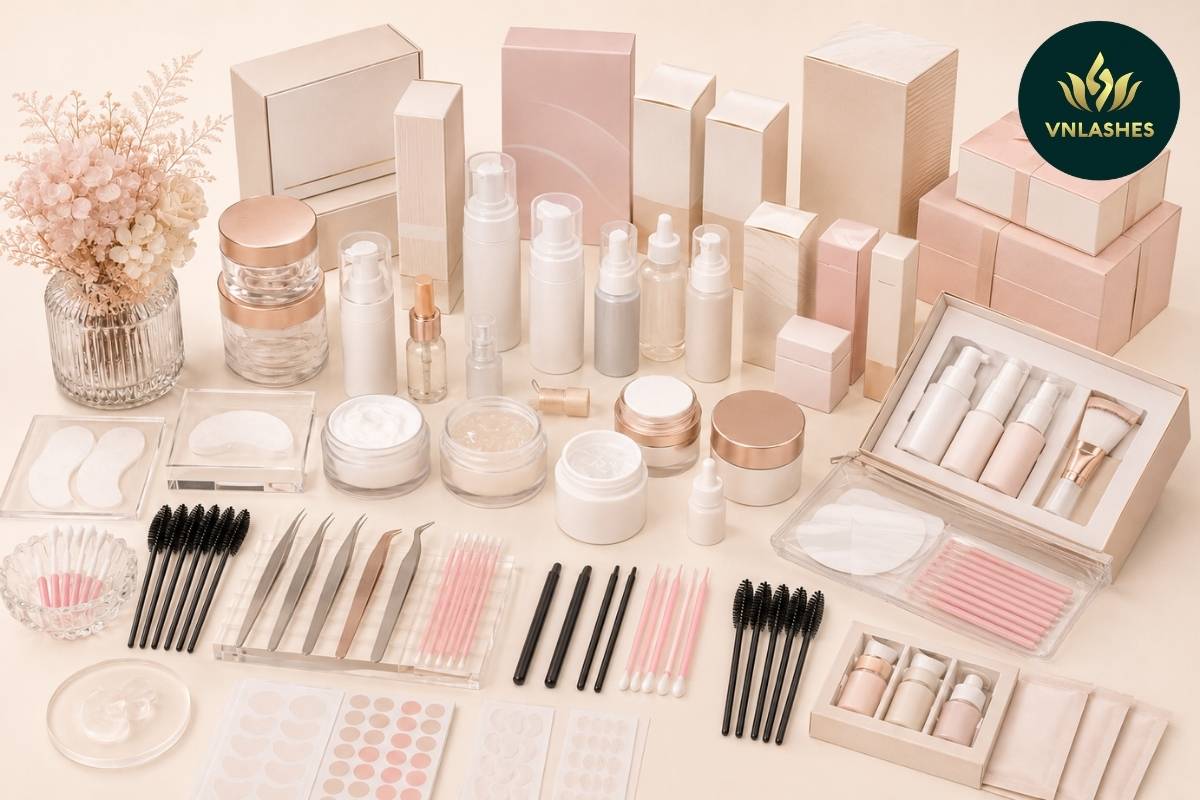
Private label packaging can include logo labels, product boxes, barcode stickers, ingredient labels, usage instructions, and market-specific packaging design. Sample testing is recommended before bulk production so buyers can check texture, scent, packaging quality, and customer feedback.
What Makes a Good Remover?
From a manufacturer’s point of view, a good remover should have stable texture, controlled application, and consistent quality from batch to batch.
Wholesale buyers should pay attention to:
- Texture stability
- Packaging sealing
- Shelf life
- Ease of application
- Client comfort
- Clear label instructions
- Batch consistency
- OEM packaging quality
A remover may look like a simple product, but poor texture or unstable packaging can create complaints for salons and beauty brands. That is why factory quality control is important before shipment.
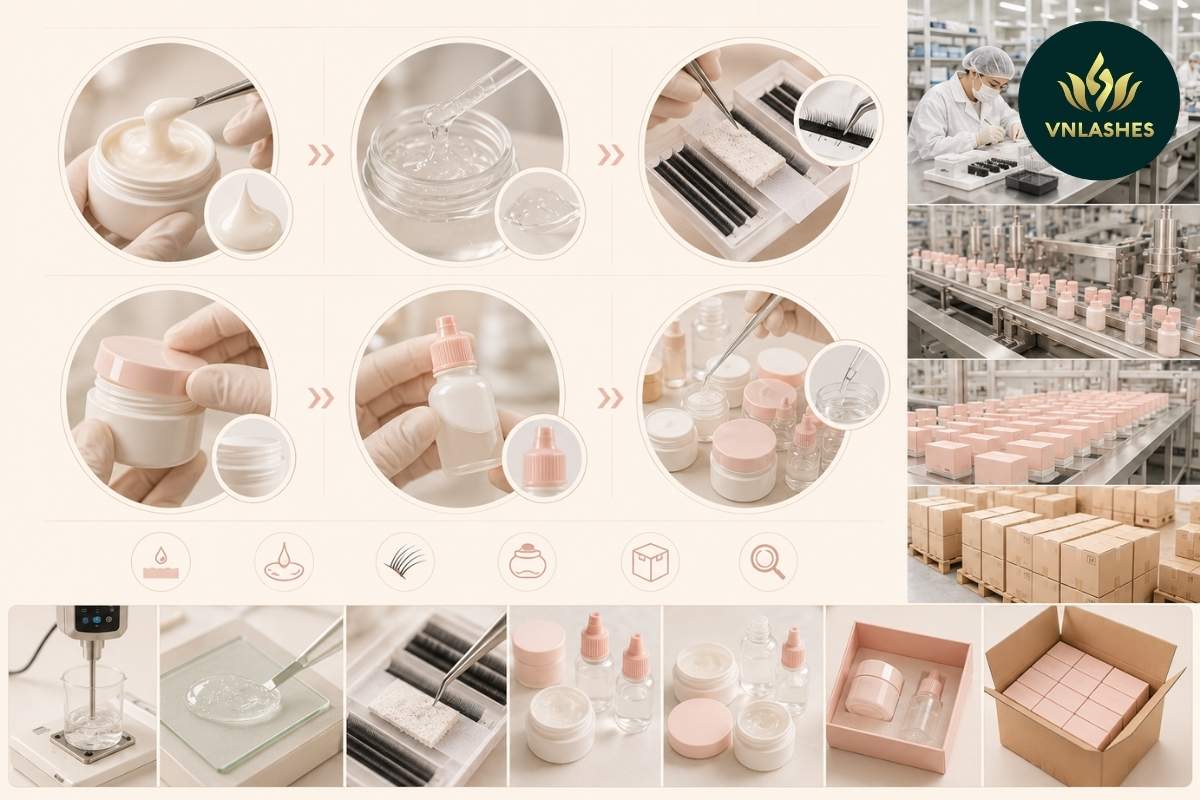
Factory QC Process for Lash Remover
Before shipping remover products to wholesale clients, we check key quality points to help reduce sourcing risk.
Texture Check
We check whether the formula is smooth, stable, and easy to apply.
Packaging Check
Each jar or bottle is checked for sealing, leakage, label position, and overall appearance.
Batch Consistency
For repeat orders, we help maintain stable product quality so brands can build customer trust.
Final Inspection Before Shipping
Before packing, products are checked again to make sure the quantity, packaging, and specifications match the buyer’s order.
Why Buy Lash Extensions Remover from a Manufacturer?
Buying directly from a manufacturer helps lash brands and distributors control product quality, packaging, and cost more effectively.
Better Cost Control
Factory-direct supply can help reduce unnecessary middle costs, especially for bulk orders.
Private Label Flexibility
You can build your own remover line with custom logo, packaging, and product positioning.
Stable Wholesale Supply
A reliable manufacturer can support repeat orders, seasonal restocking, and product expansion.
One-Stop Lash Product Sourcing
You can combine remover with lash trays, premade fans, lash adhesive, lash shampoo, under-eye pads, and other lash supplies.
FAQ About Lash Extensions Remover
Is lash extensions remover safe?
Professional remover can be used safely when applied correctly by trained lash artists. The client’s eyes should remain closed during the process.
Which is better, cream remover or gel remover?
Cream remover is better for beginners and sensitive clients because it is easier to control. Gel remover works faster but requires more experience.
Can clients remove lash extensions at home?
It is not recommended. DIY removal may cause natural lash damage, irritation, or incomplete removal.
How long does lash remover take to work?
Most removers need several minutes to soften the adhesive. Always follow the product instructions.
Can I private label lash remover?
Yes. Many lash brands choose private label remover to complete their lash product line and increase brand value.
Final Thoughts
A professional lash extensions remover is an essential product for salons, lash artists, beauty brands, and distributors. The right product helps create a smoother removal process, improve client comfort, and prepare natural lashes for the next set.
For wholesale buyers, choosing a reliable manufacturer is just as important as choosing the formula. Stable texture, clean packaging, clear labeling, sample support, and private label service can help your brand grow with confidence.
If you are looking for wholesale lash remover, sample testing, catalog, price list, or private label packaging support, we can help you create a professional lash product line for your market.


Bài viết liên quan
Magic Fan And Zero Time Promade Fan – A Faster, Time-Saving Lash Extension Solution
In the professional lash extension industry, application speed and product consistency are important factors for...
Oct
Custom Magic Fans Manufacturing and OEM Services: Production Process
When sourcing Magic Fans in bulk, buyers need more than just an attractive lash tray....
Aug
Lash Extension Removal: Common Mistakes and Safe Techniques
Lash extension removal is an important part of professional lash care. When extensions are removed...
Jul
Lash Foam Cleansers: A Practical Guide for Lash Professionals
Lash foam cleansers are essential products for cleaning natural lashes, eyelids and eyelash extensions. They...
Jul
Lash Adhesive Remover: A Must-Have Product for Professional Lash Businesses
In the lash industry, a beautiful lash set is not only about application. Safe, clean,...
Jul
L Family Special Curl Lashes: LJ, LB, LC and LC+ Guide
L Family Special Curl Lashes are a progressive curl collection created for lash professionals who...
Jul