
 Deutsch
 Русский
 Español
 Français
No products in the cart.

Lash Extension Guides, Eyelash Knowledge & Education
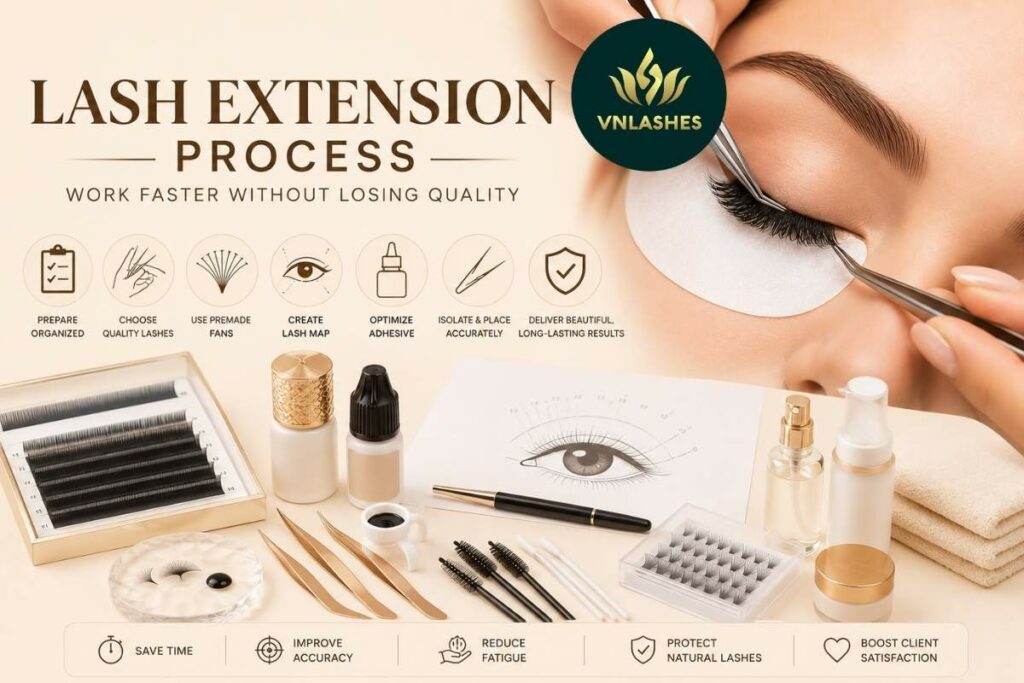
Lash Extension Process: How to Work Faster Without Losing Quality
12
Jul
Jul
The lash extension process requires precision, patience, organization, and the right products. For professional lash artists, improving application speed can increase daily productivity, reduce physical strain, and create a more comfortable experience for clients.
However, a faster lash extension process should never involve skipping important steps or compromising lash health. Efficient application comes from good preparation, suitable adhesive, consistent lash materials, proper isolation, and regular practice.
As a wholesale lash supplier and eyelash manufacturer, we understand that stable product quality can help technicians complete each lash set more smoothly and with fewer corrections.
What Is the Lash Extension Process?
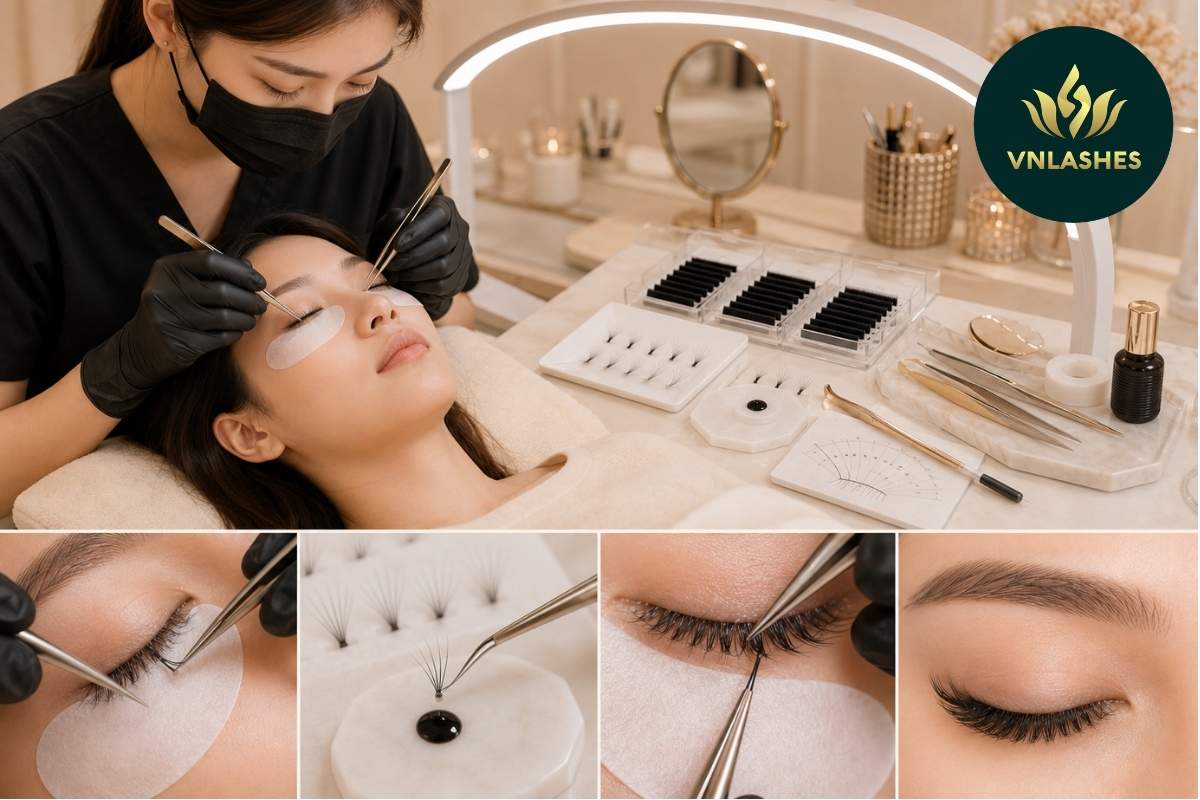
The lash extension process is the professional procedure of attaching individual lash extensions or volume fans to a client’s natural eyelashes.
A standard procedure usually includes:
- Client consultation
- Natural lash cleansing
- Lower lash protection
- Lash mapping
- Extension selection
- Adhesive application
- Isolation and placement
- Final inspection
- Aftercare guidance
Every stage of the lash extension process affects retention, comfort, symmetry, direction, and the overall appearance of the finished set.
How to Improve the Lash Extension Process
Prepare All Tools Before the Appointment
An organized workstation helps technicians avoid unnecessary movement during the application.
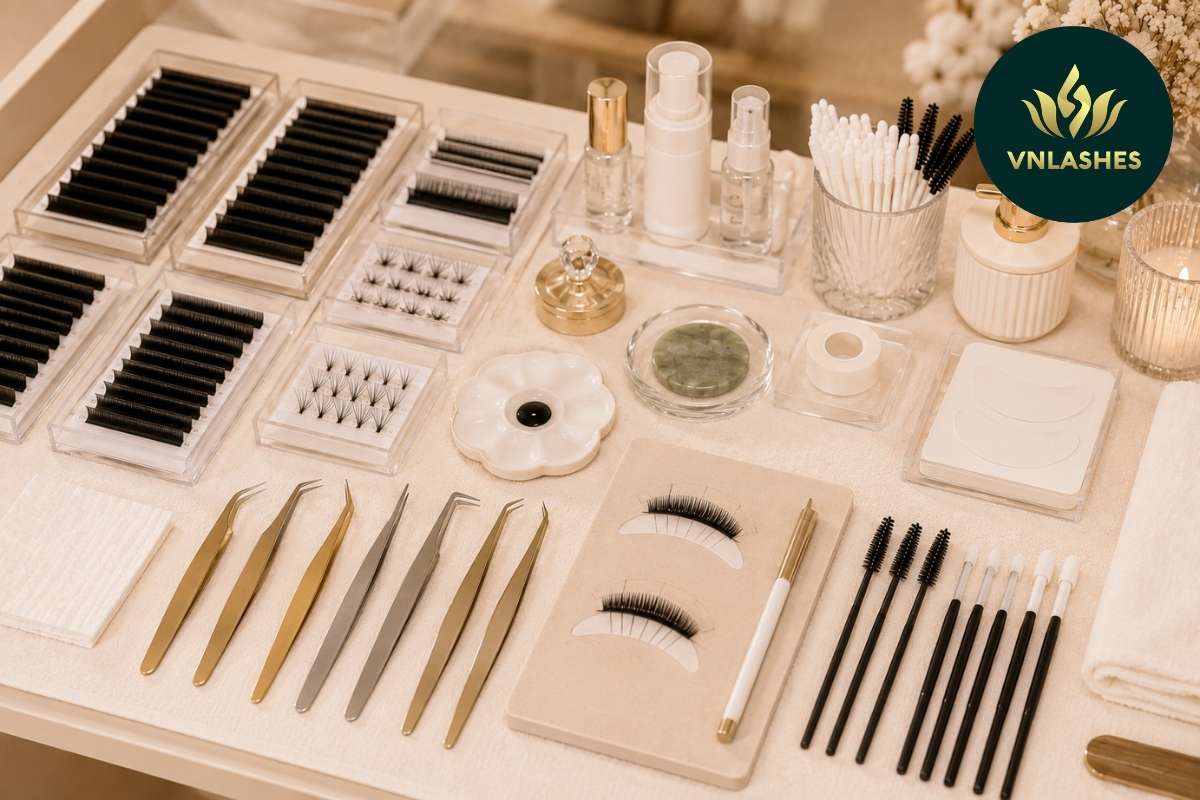
Before starting the lash extension process, prepare:
- Isolation and application tweezers
- Lash trays or premade fans
- Lash adhesive
- Eye pads and tape
- Micro brushes
- Lash cleanser and primer
- Glue palette or jade stone
- Lash mapping pen
Frequently used tools should remain within easy reach. A clear and organized setup allows the lash artist to stay focused instead of stopping to search for supplies.
Choose Consistent Lash Products
Product consistency has a direct effect on the speed of the lash extension process.
Extensions with stable curls, clean strips, accurate lengths, and even bases are easier to pick up and place. Poor-quality lashes may require repeated adjustments, increasing treatment time and making it more difficult to create a balanced set.
Professional lash suppliers should provide clear specifications for:
- Curl
- Thickness
- Length
- Fiber type
- Fan dimension
- Base shape
Reliable materials help lash artists maintain consistent results across different clients and appointments.
Use Premade Fans for Faster Volume Sets
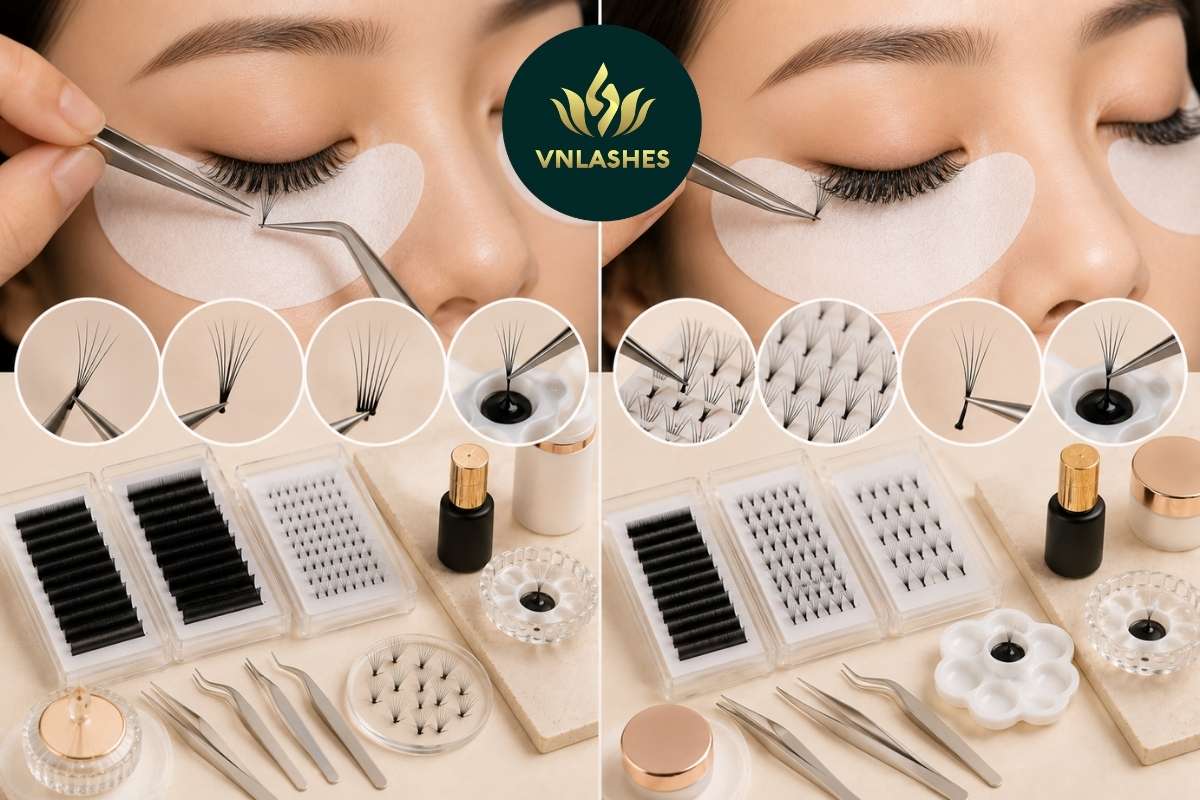
Premade fans can significantly simplify the volume lash extension process because the fans are already formed before application.
Instead of creating each fan by hand, the technician can pick up the premade fan, apply a suitable amount of adhesive, and attach it to an isolated natural lash.
Premade fans may be suitable for:
- Busy lash salons
- Beginner lash technicians
- Express volume services
- High-volume appointment schedules
- Clients who prefer fuller lash styles
As an eyelash manufacturer, we recommend selecting lightweight premade fans with narrow bases, stable curls, clean symmetry, and consistent fan openings.
Create a Lash Map Before Application
A lash map provides a clear guide for length, curl, and placement.
Without a lash map, technicians may spend additional time choosing the correct extension for each section. Preparing the design before the appointment makes the lash extension process more structured and predictable.
Common lash maps include:
- Natural
- Doll eye
- Cat eye
- Squirrel
- Wispy
- Kim K-inspired
The chosen style should match the client’s eye shape, natural lash condition, and desired result.
How Adhesive Affects the Lash Extension Process
Match the Adhesive to Your Working Speed
The adhesive should match the technician’s placement speed.
A fast-drying glue may cure before the extension is positioned correctly. A slow-drying adhesive may cause lashes to move, lean, or stick together.
Choosing the correct drying time helps create a smoother lash extension process with fewer placement corrections.
Beginner technicians often work more comfortably with slower adhesives, while experienced artists may prefer faster formulas.
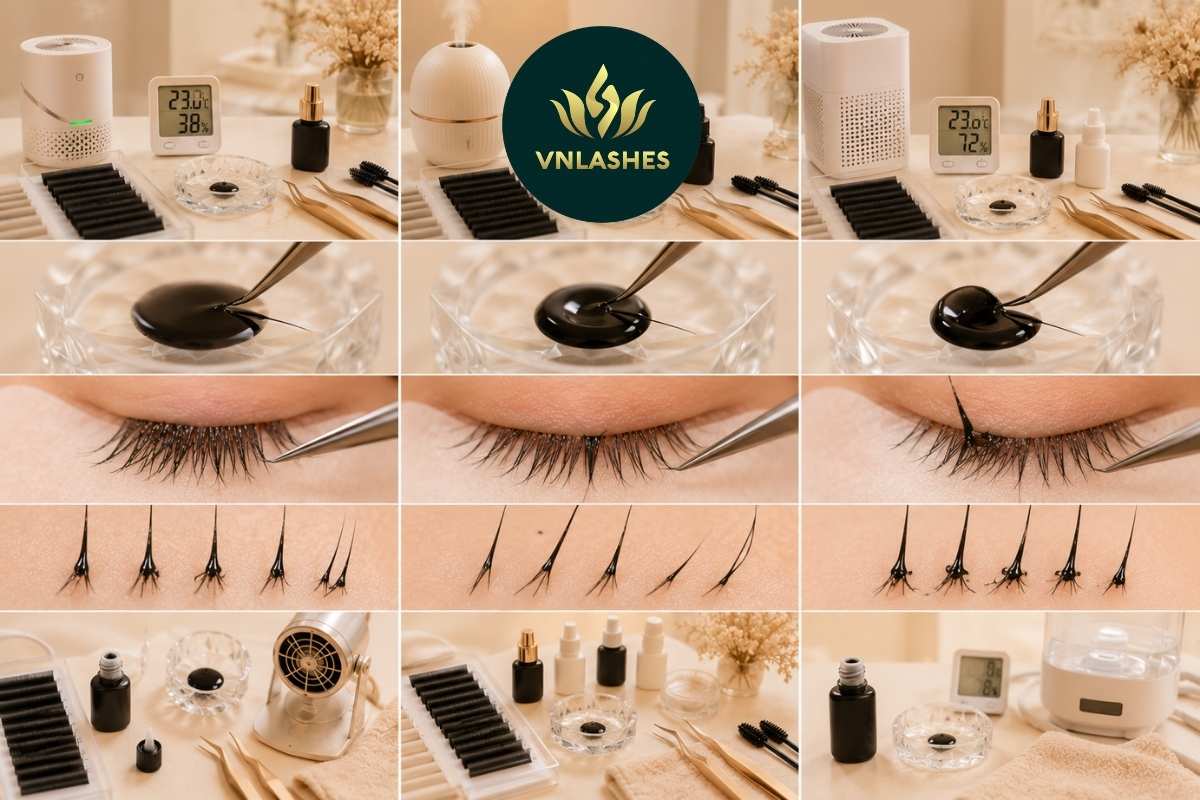
Control Temperature and Humidity
Room conditions directly affect adhesive performance.
When temperature or humidity falls outside the adhesive’s recommended range, curing may become too fast, too slow, or inconsistent. This can interrupt the lash extension process and negatively affect retention.
A digital hygrometer helps monitor environmental conditions. Depending on the workspace, lash artists may also use:
- Humidifiers
- Dehumidifiers
- Air conditioners
- Heaters
- Ventilation systems
The working environment should always be adjusted according to the adhesive manufacturer’s instructions.
Refresh the Glue Drop Regularly
Adhesive begins to change after exposure to air and moisture.
A fresh glue drop provides better consistency, cleaner dipping, and more reliable bonding. The replacement frequency depends on the adhesive formula, room conditions, and working speed.
Refreshing the glue at the correct time can help prevent repeated placement during the lash extension process.
Improve Isolation and Lash Placement
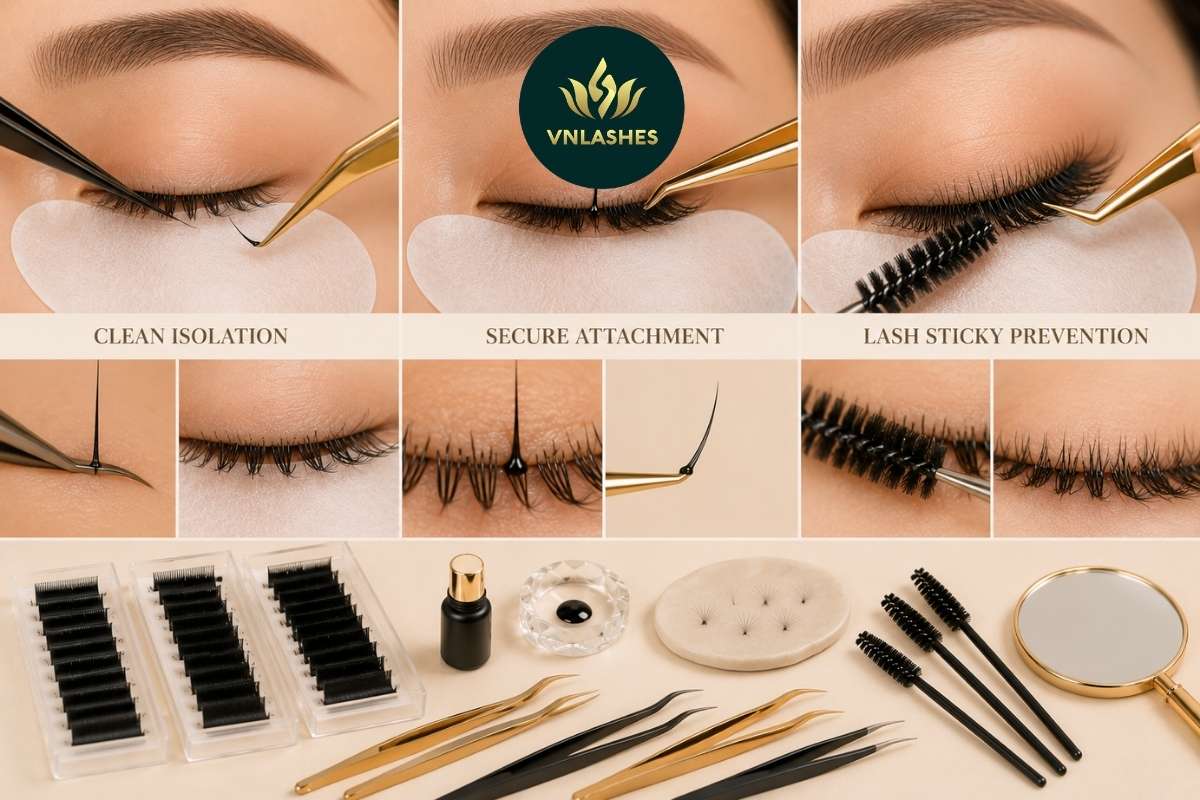
Develop Clean Isolation Skills
Accurate isolation prevents lash stickies and reduces correction time.
The isolation tweezer should separate one natural lash comfortably without causing excessive tension in the hand. Technicians can also work in sections instead of moving randomly across the lash line.
A structured isolation method helps make the lash extension process faster and more controlled.
Maintain a Secure Attachment Area
The extension base should have sufficient contact with the natural lash to create a stable bond.
Poor attachment may cause:
- Twisting
- Leaning
- Early shedding
- Uncomfortable bases
- Uneven lash direction
Correct attachment supports better retention and reduces the need for later adjustments.
Check for Lash Stickies Regularly
Lash stickies occur when two or more natural lashes become bonded together.
Instead of waiting until the end of the appointment, technicians should check for stickies throughout the lash extension process. Separating them early is usually easier than correcting fully cured adhesive.
Improve the Lash Extension Setup
Use Bright and Even Lighting
Natural lashes are very fine and difficult to isolate under poor lighting.
A professional lash lamp should illuminate both eyes evenly without creating strong shadows. Good lighting improves visibility, placement accuracy, and working speed.
It also reduces eye strain during a long lash extension process.
Adjust the Bed and Chair Height
Poor posture can slow down application and cause discomfort in the neck, back, shoulders, and wrists.
The lash bed, chair, and client’s head position should allow the technician to work without leaning forward excessively.
A comfortable position supports steady hand movement throughout the lash service.
Reduce Unnecessary Client Movement
Frequent talking may cause movement around the client’s eyes and facial muscles.
Friendly communication is still important, but limiting conversation during detailed application stages can improve accuracy. Soft music may help the client relax without interrupting the lash extension process.
Can Primer Improve the Lash Extension Process?
Primer can help remove residual oil, makeup, moisture, and protein after cleansing.
Proper lash preparation creates a cleaner surface for adhesive bonding and may reduce repeated placement. For this reason, primer can sometimes support a more efficient lash extension process.
However, primer should not be used automatically on every client. Excessive product may leave some natural lashes too dry.
The preparation method should depend on:
- Natural lash condition
- Skin type
- Adhesive system
- Lash cleanser used
- Salon environment
Practice Is Essential for a Faster Lash Extension Process
Speed develops through correct repetition, not rushed movements.
Lash technicians can improve by practicing:
- Isolation
- Fan pickup
- Adhesive control
- Extension placement
- Direction control
- Lash mapping
- Symmetry checking
Tracking the time spent on each stage of the lash extension process can help identify where delays occur.
For example, one technician may spend too much time isolating natural lashes, while another may lose time selecting lengths or correcting direction.
Focused practice helps improve both speed and consistency.
How Manufacturers Support the Lash Extension Process
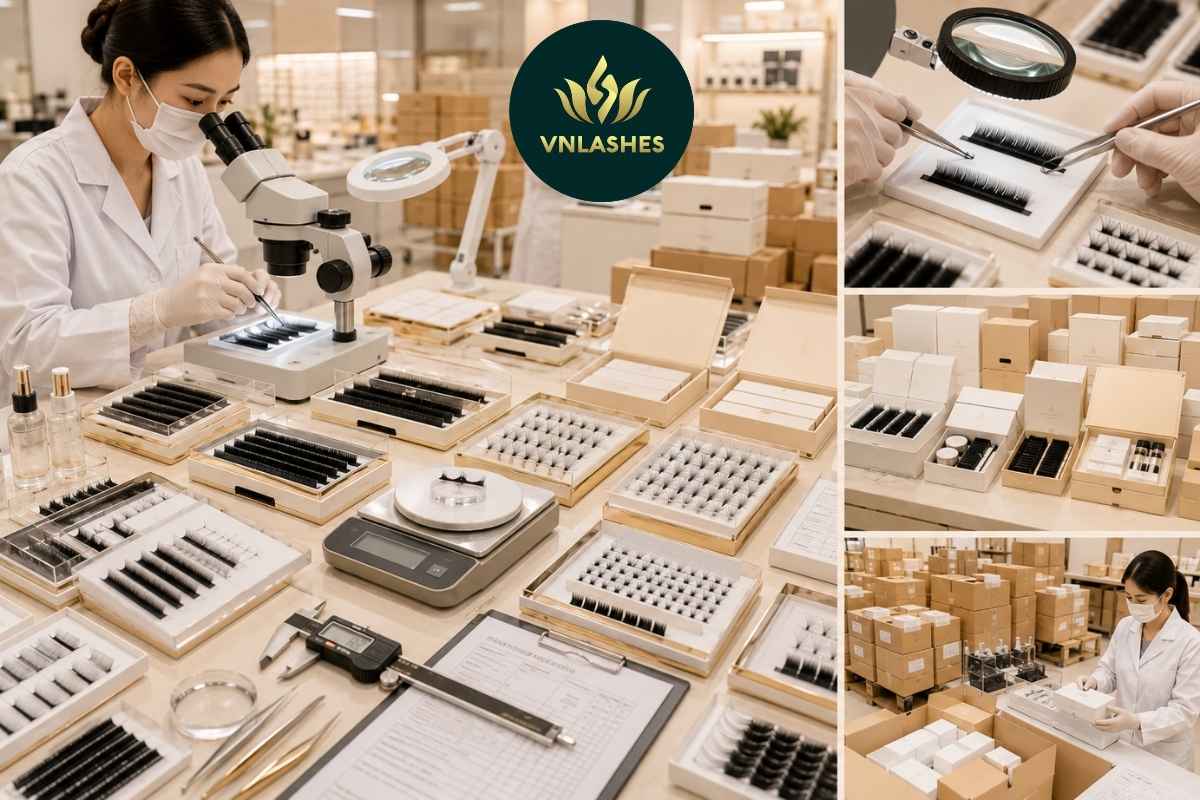
Reliable suppliers can support a more efficient lash extension process by providing consistent lash materials.
As a lash manufacturer and wholesale supplier, quality control should cover:
- Fiber softness
- Curl consistency
- Length accuracy
- Strip quality
- Fan symmetry
- Base thickness
- Packaging organization
Wholesale lash brands, distributors, and salon chains benefit from stable specifications across repeat orders.
When lash products remain consistent, technicians do not need to change their pickup method, adhesive amount, or placement technique every time they open a new tray or box.
FAQ About the Lash Extension Process
How Long Does the Lash Extension Process Take?
A full lash extension process usually takes approximately 1.5 to 3 hours.
The exact duration depends on:
- Lash style
- Natural lash density
- Technician experience
- Isolation ability
- Adhesive speed
- Products used
Refill appointments generally require less time than full sets.
Can Premade Fans Shorten the Lash Extension Process?
Yes. Premade fans can shorten the lash extension process because the volume fans are already formed.
The amount of time saved depends on the artist’s technique, fan quality, adhesive control, and natural lash condition.
Should Lash Artists Work as Fast as Possible?
No. Safe isolation, proper placement, suitable lash weight, and client comfort should always remain the priority.
Speed should improve gradually through better organization, professional products, and regular practice.
What Commonly Slows Down the Lash Extension Process?
Common causes include:
- Disorganized tools
- Poor lighting
- Incorrect adhesive speed
- Unstable temperature or humidity
- Inconsistent lash products
- Weak isolation skills
- Missing lash maps
- Frequent client movement
- Repeated placement corrections
- Poor working posture
Which Products Support a Faster Application?
Products that may support a faster lash extension process include:
- Premade fans
- Easy fan lashes
- Mixed-length trays
- Organized lash palettes
- Reliable adhesives
- Precision tweezers
- Consistent lash extensions
The best products depend on the artist’s experience, preferred technique, and service type.
Conclusion
A smoother and faster lash extension process begins with good preparation, suitable adhesive, accurate isolation, proper posture, and dependable lash products.
Lash artists should improve efficiency without sacrificing lash health, retention, comfort, or finished-set quality. With regular practice and consistent materials, the eyelash extension procedure can become faster, more predictable, and less physically demanding.
For lash brands, distributors, and salon chains, consistent manufacturing standards also help technicians maintain stable application performance across wholesale and private label product lines.


Bài viết liên quan
Zero Time Promade Fan Lashes – Wholesale Manufacturer & OEM Services
For lash salons and professional eyelash brands, application efficiency and consistent quality are important factors...
Oct
Magic Fan And Zero Time Promade Fan – A Faster, Time-Saving Lash Extension Solution
In the professional lash extension industry, application speed and product consistency are important factors for...
Oct
Custom Magic Fans Manufacturing and OEM Services: Production Process
When sourcing Magic Fans in bulk, buyers need more than just an attractive lash tray....
Aug
Lash Extension Removal: Common Mistakes and Safe Techniques
Lash extension removal is an important part of professional lash care. When extensions are removed...
Jul
Lash Foam Cleansers: A Practical Guide for Lash Professionals
Lash foam cleansers are essential products for cleaning natural lashes, eyelids and eyelash extensions. They...
Jul
Lash Adhesive Remover: A Must-Have Product for Professional Lash Businesses
In the lash industry, a beautiful lash set is not only about application. Safe, clean,...
Jul