
 Deutsch
 Русский
 Español
 Français
No products in the cart.

Eyelash Knowledge & Education, Lash Adhesive & Retention
Lash Adhesive Viscosity: How to Choose the Right Lash Glue for Better Retention
03
Jul
Jul
Lash adhesive viscosity is one of the most important factors when choosing professional lash glue. It describes how thick or thin the adhesive is and directly affects glue pickup, drying speed, application control, and lash retention.
For lash salons, academies, distributors, and private label lash brands, choosing the right adhesive texture is not only about comfort during application. It also affects client satisfaction, product quality, repeat orders, and brand reputation.
At VNLASHES, we support wholesale lash buyers and private label brands with professional lash extension products, OEM packaging options, and stable supply for growing beauty businesses.
What Is Lash Adhesive Viscosity?
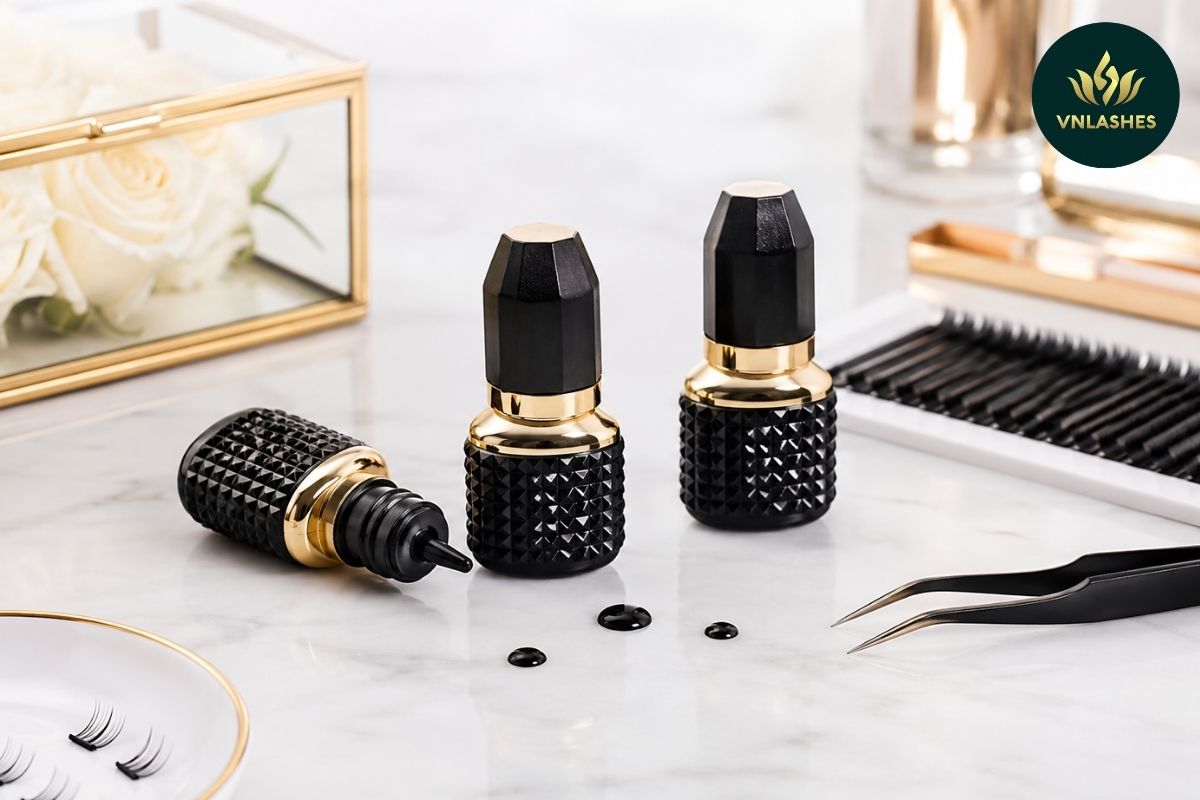
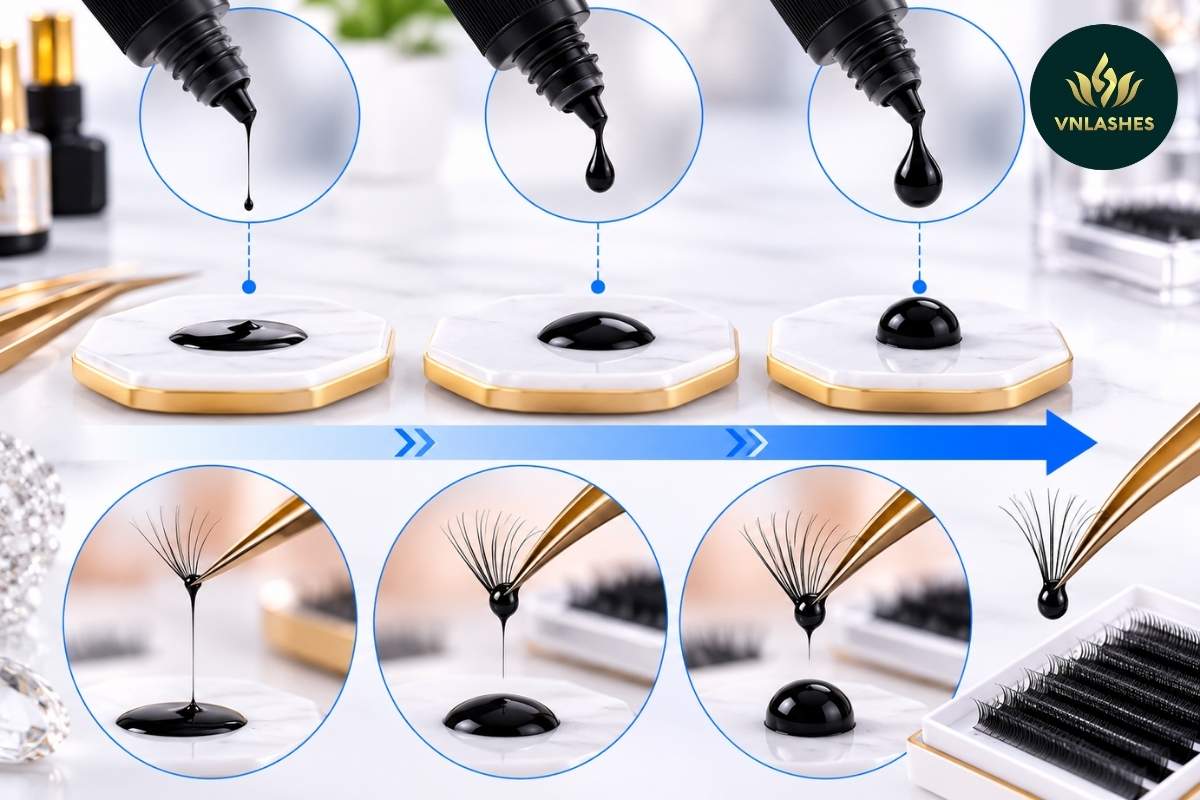
Lash adhesive viscosity means the thickness or thinness of lash glue. In simple terms, it describes how easily the adhesive flows.
A low-viscosity adhesive is thin and moves quickly. A high-viscosity formula is thicker and flows more slowly. A medium-viscosity lash glue offers a balanced texture between speed and control.
The viscosity level can affect:
- Glue pickup
- Drying speed
- Bonding strength
- Lash retention
- Application control
- Final lash set appearance
For professional lash artists, understanding lash glue viscosity helps improve work speed and create cleaner, longer-lasting lash sets.
Why Lash Adhesive Viscosity Matters for Lash Artists and Brands
Choosing the wrong adhesive thickness can make lash application harder. If the formula is too thin, it may spread too quickly and dry before proper placement. If the glue is too thick, it may create bulky bonds or slow down the application process.
The right glue texture helps lash artists create smooth, clean, and consistent lash sets.
For B2B lash buyers, viscosity is also important because different markets and customer groups may prefer different adhesive formulas. A humid market may need a different glue consistency from a dry climate market. Beginner lash artists may also prefer a different formula from advanced professionals.
Safety Note for Lash Adhesive Buyers
Lash adhesives should be selected carefully because they are used close to the eye area. According to the U.S. FDA, false eyelashes, eyelash extensions, and their adhesives are considered cosmetic products and should follow cosmetic safety and labeling requirements.
For more safety information, you can read the official FDA guide here: FDA Eye Cosmetic Safety.
For lash brands and distributors, this means your private label lash glue should not only look professional but also have clear labeling, proper ingredient information, and reliable supplier support.
Types of Lash Adhesive Viscosity
Low Viscosity Lash Adhesive
Low-viscosity lash adhesive is thin, lightweight, and fast-flowing. It is often suitable for experienced lash artists who work quickly and need fast bonding.
Best For
- Advanced lash artists
- Fast application speed
- Classic lash extensions
- Lightweight lash sets
- Humid working environments
Advantages
Low-viscosity lash glue can create thin, clean, and natural-looking bonds. It is ideal for lash artists who want smooth application and minimal adhesive buildup.
Things to Consider
Because this type of adhesive flows quickly, it requires good control. Beginners may find it harder to manage. If the artist works too slowly, lash retention may be affected because the adhesive can start curing before full contact with the natural lash.
Medium Viscosity Lash Adhesive
Medium-viscosity lash adhesive is the most balanced option. It is not too thin and not too thick, making it suitable for many lash artists and different lash styles.
Best For
- Beginner to intermediate lash artists
- Classic and volume lash sets
- Salons with mixed service menus
- Training academies
- Wholesale buyers selling to different customer groups
Advantages
Medium-viscosity lash glue gives a good balance between speed and control. It is often easier to use than a very thin formula while still allowing efficient application.
For lash brands, medium adhesive consistency is often a safe choice because it can serve a wider customer base.
High Viscosity Lash Adhesive
High-viscosity lash adhesive is thicker and slower-flowing. It gives more control during pickup and placement, making it useful for slower lash artists or volume techniques.
Best For
- Beginner lash artists
- Volume and mega volume lash sets
- Dry working environments
- Artists who prefer more placement control
- Clients with sparse natural lashes
Advantages
Thicker lash adhesive can be easier to control and may help create stronger-looking bonds when used correctly. It gives artists more time to place the extension before the adhesive cures.
Things to Consider
If too much adhesive is used, the bond may look bulky. High-viscosity glue may also slow down application speed, especially for advanced artists who work very fast.
Lash Adhesive Viscosity Comparison Chart
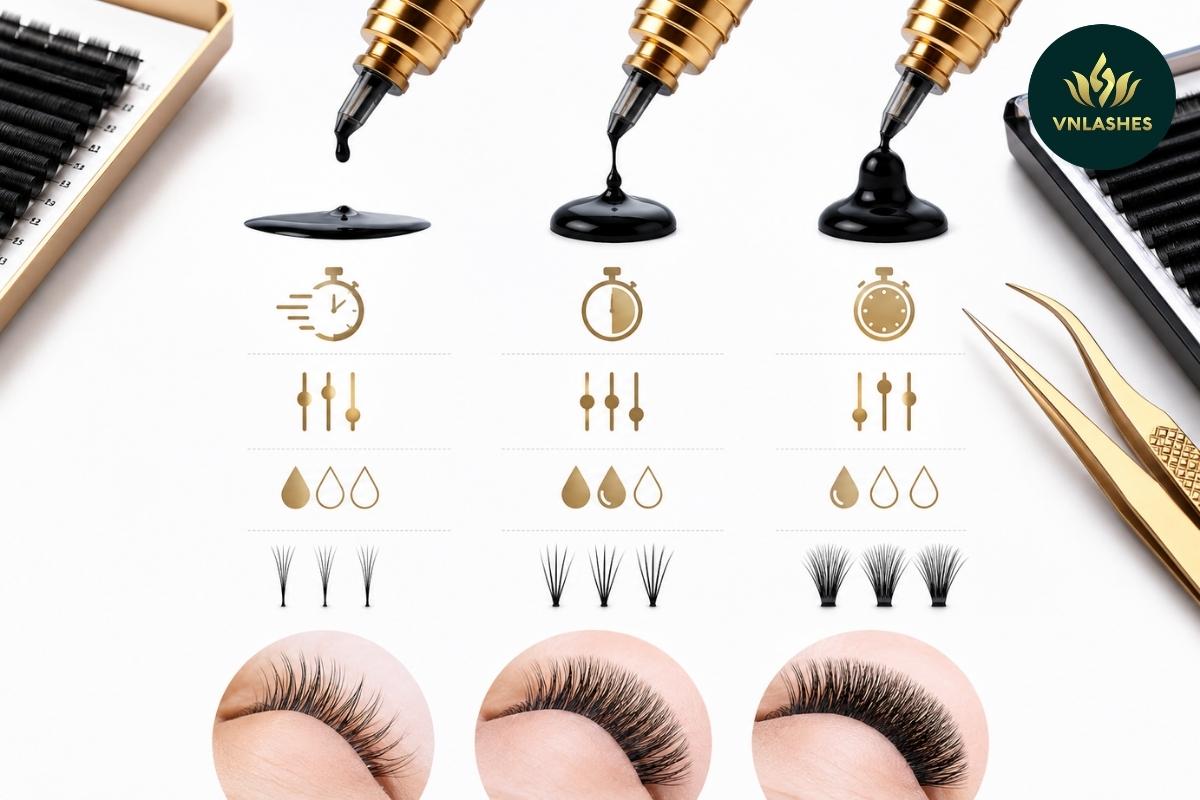
| Feature | Low Viscosity Glue | Medium Viscosity Glue | High Viscosity Glue |
|---|---|---|---|
| Texture | Thin and runny | Balanced | Thick and slow-flowing |
| Control | Lower control | Easy control | High control |
| Drying Speed | Fast | Medium | Slower |
| Best For | Advanced artists | Most lash artists | Beginners and volume artists |
| Lash Style | Classic, light volume | Classic and volume | Volume, mega volume |
| Environment | Humid rooms | Normal conditions | Dry rooms |
| Bond Appearance | Thin and clean | Balanced | Stronger, thicker bond |
Need Wholesale Lash Glue or Private Label Lash Products?
If you are building a lash brand, salon supply line, or beauty distribution business, VNLASHES can support you with OEM/private label lash solutions, wholesale lash products, sample orders, and custom packaging.
How Lash Adhesive Viscosity Affects Lash Retention
Retention depends on many factors, including adhesive formula, humidity, temperature, technique, aftercare, and natural lash condition. However, glue consistency plays an important role.
Thin Adhesive and Lash Retention
Thin adhesive creates lightweight bonds, but it requires precise timing. If the lash artist does not attach the extension quickly enough, the formula may begin to cure before full contact with the natural lash.
Medium Adhesive and Lash Retention
Medium-viscosity lash glue is often easier to control. It gives a stable balance between bonding speed and placement time, which can support consistent wear time for many lash artists.
Thick Adhesive and Lash Retention
Thick adhesive may create a stronger-looking bond, but only when used in the correct amount. Too much glue can create heavy bonds, stickies, or poor lash separation.
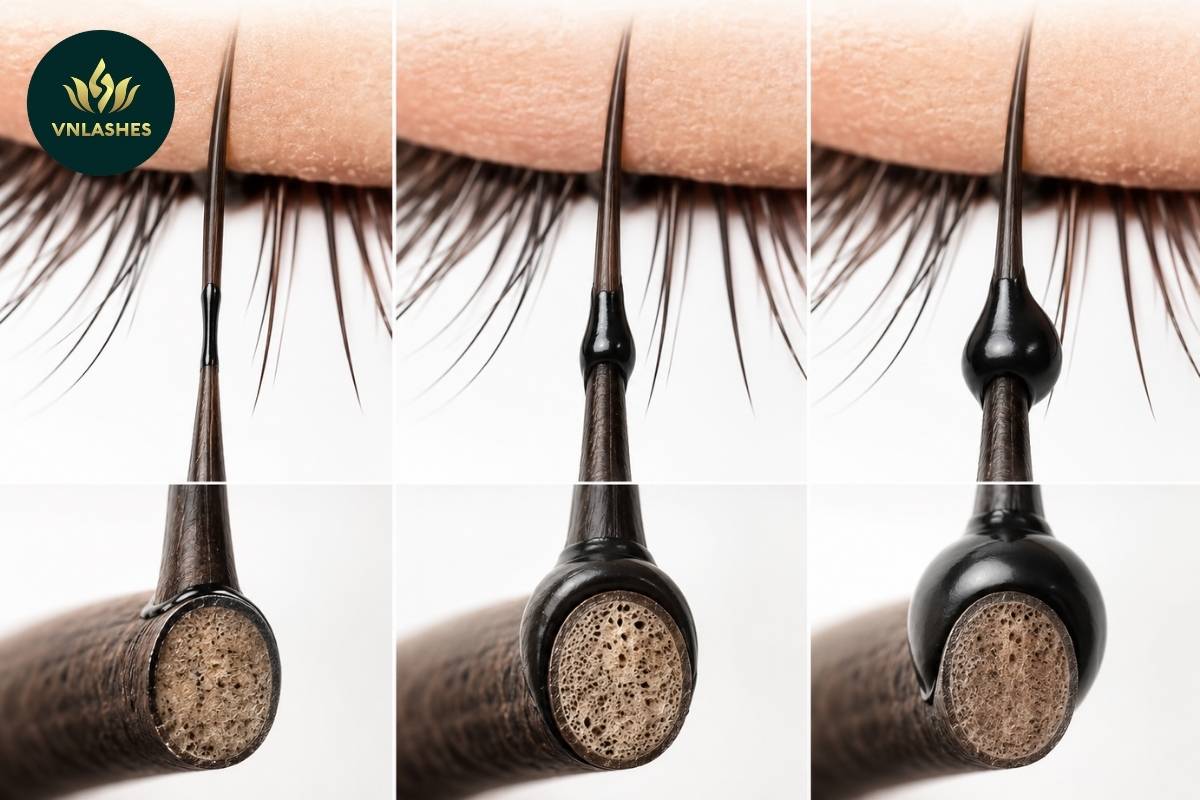
What Can Change Lash Glue Consistency?
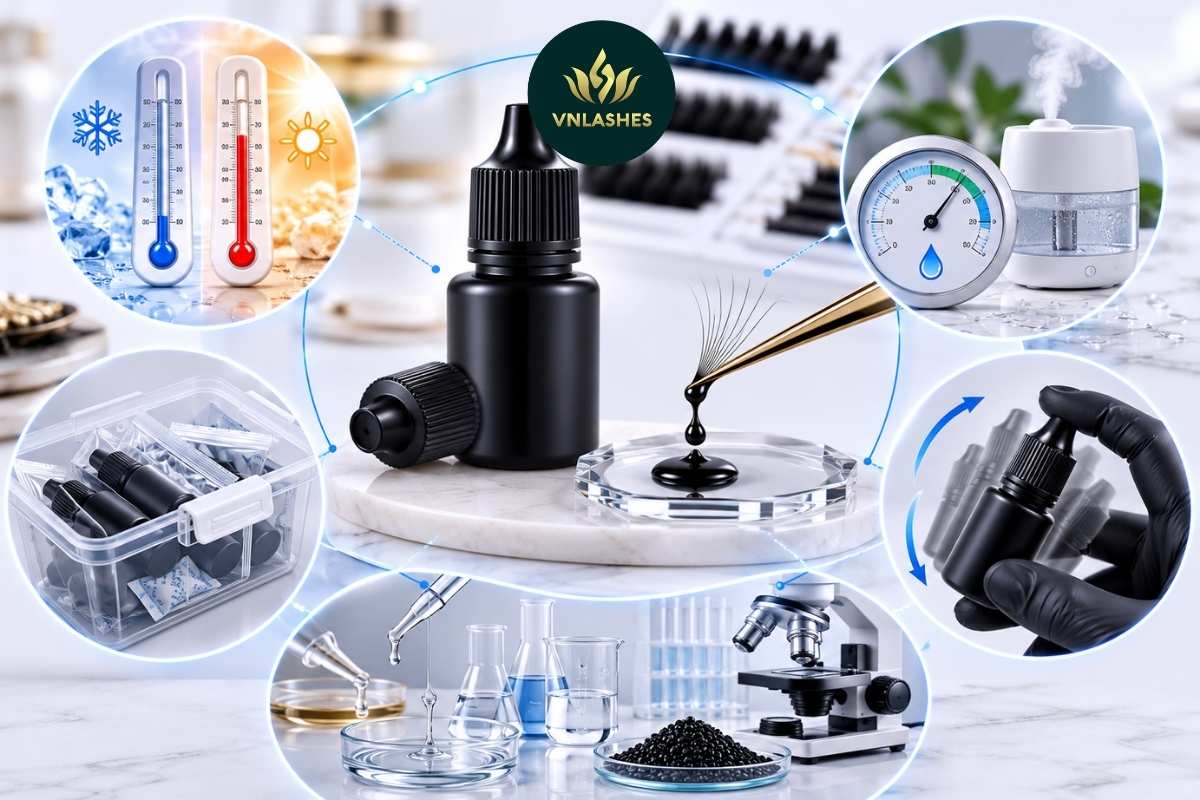
Lash glue viscosity can change due to storage, temperature, humidity, and product handling.
Temperature
Cold temperatures can make lash glue thicker. Warm temperatures can make it thinner and more runny. This is why lash artists should keep adhesive in a stable environment.
Humidity
Humidity affects curing speed. In high humidity, eyelash extension adhesive may cure faster. In low humidity, it may cure more slowly. The right viscosity level should match the working environment.
Storage
Poor storage can affect adhesive consistency. Lash glue should be stored in a cool, dry place and kept tightly closed after use.
Shaking Before Use
Most black lash adhesives contain pigment. If the bottle is not shaken properly, the texture may become uneven. This can make the adhesive feel stringy, thick, or inconsistent.
Product Quality
Raw material quality also affects lash glue performance. A stable formula helps maintain consistent texture, better bonding, and more reliable results.
How to Choose the Right Lash Adhesive Viscosity
The best lash adhesive viscosity depends on the artist’s skill level, working speed, lash style, and room conditions.
For Beginner Lash Artists
A medium or slightly thicker adhesive is often easier to control. It allows more placement time and reduces the pressure of working too fast.
For Advanced Lash Artists
A low-viscosity adhesive may be a better choice because it supports fast application and clean bonding.
For Volume Lash Artists
Medium to high-viscosity lash glue can help with control, especially when working with volume or mega volume fans.
For Humid Climates
Low to medium-viscosity adhesive may work better because glue already cures faster in humid conditions.
For Dry Climates
Medium to high-viscosity adhesive may help prevent the glue from drying too slowly or becoming difficult to control.
Best Choice by Business Type
For Lash Salons
Salons should choose medium-viscosity lash glue for daily services because it works for different artists, techniques, and client needs.
For Lash Academies
Academies should use beginner-friendly adhesive with medium consistency. This helps students learn proper pickup, placement, and bonding techniques more easily.
For Distributors
Distributors should offer at least two viscosity options: one medium formula for general users and one advanced formula for professional lash artists.
For Private Label Lash Brands
Private label brands should choose adhesive texture based on their target market. If your customers are beginners, choose a more controlled formula. If your customers are advanced lash artists, a fast-drying, lower-viscosity adhesive may be more attractive.
Learn more about VNLASHES OEM and private label support here: OEM & Private Label Eyelash Manufacturing.
Wholesale and Private Label Lash Glue Supply
For lash brands and distributors, adhesive viscosity is not just a technical detail. It is a product positioning decision.
When developing private label lash glue, you should consider:
- Target customer skill level
- Main market climate
- Preferred drying speed
- Bottle size and packaging
- Label design
- MOQ and sample testing
- Product consistency between batches
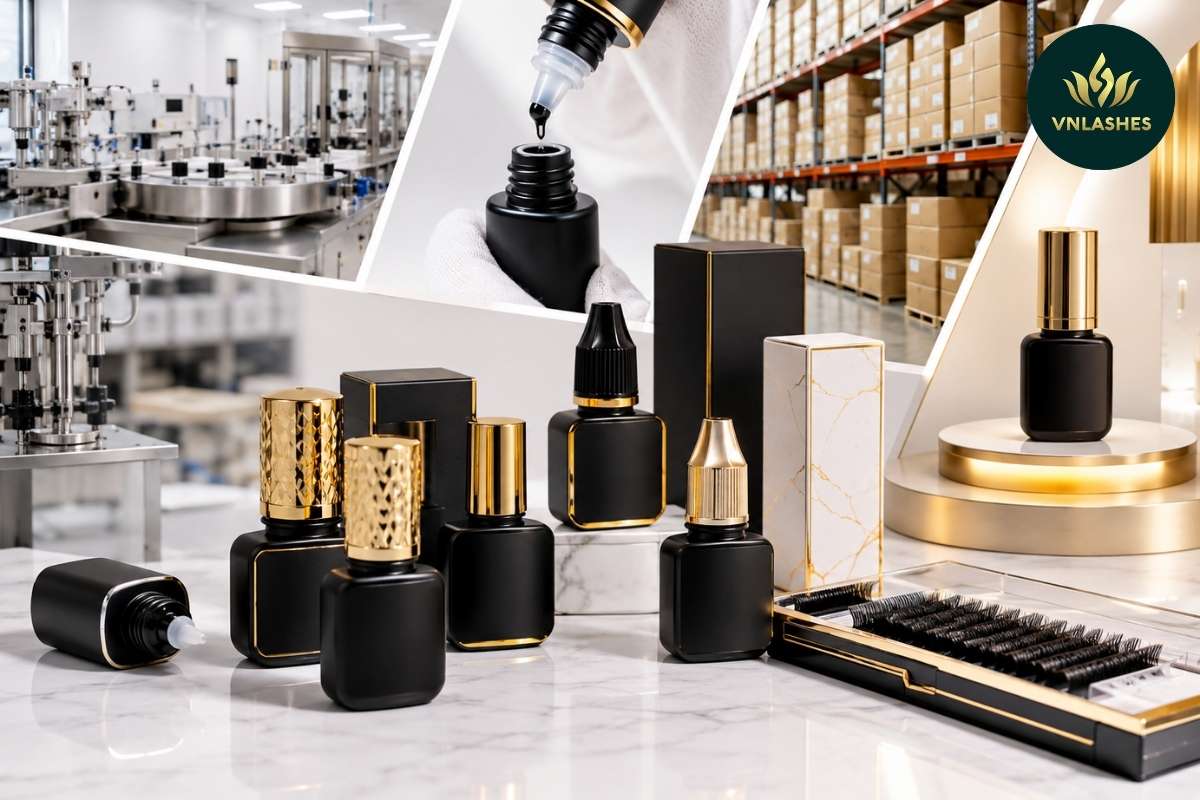
At VNLASHES, we help B2B customers source professional lash extension supplies with stable quality, flexible wholesale support, and OEM/private label options. Whether you are building a new lash brand or expanding your existing product line, choosing the right adhesive formula can help improve customer satisfaction and repeat sales.
Tips to Maintain Ideal Lash Adhesive Viscosity
Store Glue Correctly
Keep lash adhesive in a cool, dry place. Avoid direct sunlight, heat, and moisture.
Shake Before Use
Shake the adhesive before application to keep the formula and pigment evenly mixed.
Monitor Room Conditions
Use a hygrometer to check humidity and temperature before lash application.
Replace Glue Drops Regularly
Fresh glue drops help maintain better consistency and bonding performance during application.
Choose Reliable Suppliers
Work with a lash adhesive supplier that understands viscosity, formula stability, packaging, and wholesale quality control.
Common Mistakes When Choosing Lash Adhesive Viscosity
Choosing Only by Drying Time
Drying time is important, but it should not be the only factor. Adhesive thickness, humidity, skill level, and technique all matter.
Using Glue That Is Too Thin
Thin glue can be difficult for beginners and may reduce lash retention if the artist works too slowly.
Using Too Much Thick Glue
High-viscosity adhesive can create bulky bonds if too much product is applied.
Ignoring Climate
A glue that works well in one country may not perform the same in another climate. This is especially important for distributors and private label brands selling internationally.
FAQ About Lash Adhesive Viscosity
What is lash adhesive viscosity?
Lash adhesive viscosity is the thickness or thinness of lash glue. It affects flow, control, drying speed, and bonding performance.
Is low viscosity lash glue better?
Low-viscosity lash glue is better for fast and experienced lash artists, but it may be harder for beginners to control.
Is high viscosity lash glue good for beginners?
Yes, high or medium-viscosity lash adhesive can be easier for beginners because it gives more control during placement.
What viscosity is best for volume lashes?
Medium to high-viscosity lash glue is often suitable for volume and mega volume lashes because it supports better control.
Can lash glue viscosity change over time?
Yes. Temperature, storage, humidity, age of the glue, and improper shaking can change the adhesive texture.
What is the best viscosity level for wholesale buyers?
For wholesale buyers, medium-viscosity lash adhesive is usually the safest option because it works for a wide range of lash artists and application styles.
Final Thoughts
Understanding lash adhesive viscosity helps lash artists choose the right glue for better control, cleaner bonding, and improved retention. For lash brands, salons, academies, and distributors, it also helps create better product lines and stronger customer trust.
Low-viscosity lash glue is ideal for fast professionals. Medium-viscosity adhesive is suitable for most users. High-viscosity glue offers more control for beginners and volume techniques.
If you are looking for wholesale lash extension supplies or private label lash products, VNLASHES can support your business with stable quality, OEM packaging, and professional B2B supply.
Request a wholesale quote from VNLASHES today and build your professional lash product line with a reliable eyelash manufacturer in Vietnam.


Bài viết liên quan
Magic Fan And Zero Time Promade Fan – A Faster, Time-Saving Lash Extension Solution
In the professional lash extension industry, application speed and product consistency are important factors for...
Oct
Custom Magic Fans Manufacturing and OEM Services: Production Process
When sourcing Magic Fans in bulk, buyers need more than just an attractive lash tray....
Aug
Lash Extension Removal: Common Mistakes and Safe Techniques
Lash extension removal is an important part of professional lash care. When extensions are removed...
Jul
Lash Foam Cleansers: A Practical Guide for Lash Professionals
Lash foam cleansers are essential products for cleaning natural lashes, eyelids and eyelash extensions. They...
Jul
Lash Adhesive Remover: A Must-Have Product for Professional Lash Businesses
In the lash industry, a beautiful lash set is not only about application. Safe, clean,...
Jul
L Family Special Curl Lashes: LJ, LB, LC and LC+ Guide
L Family Special Curl Lashes are a progressive curl collection created for lash professionals who...
Jul