
 Deutsch
 Русский
 Español
 Français
No products in the cart.

Eyelash Knowledge & Education, Lash Adhesive & Retention
Eyelash Extensions pH: Why pH Balance Matters for Better Lash Retention
09
Jul
Jul
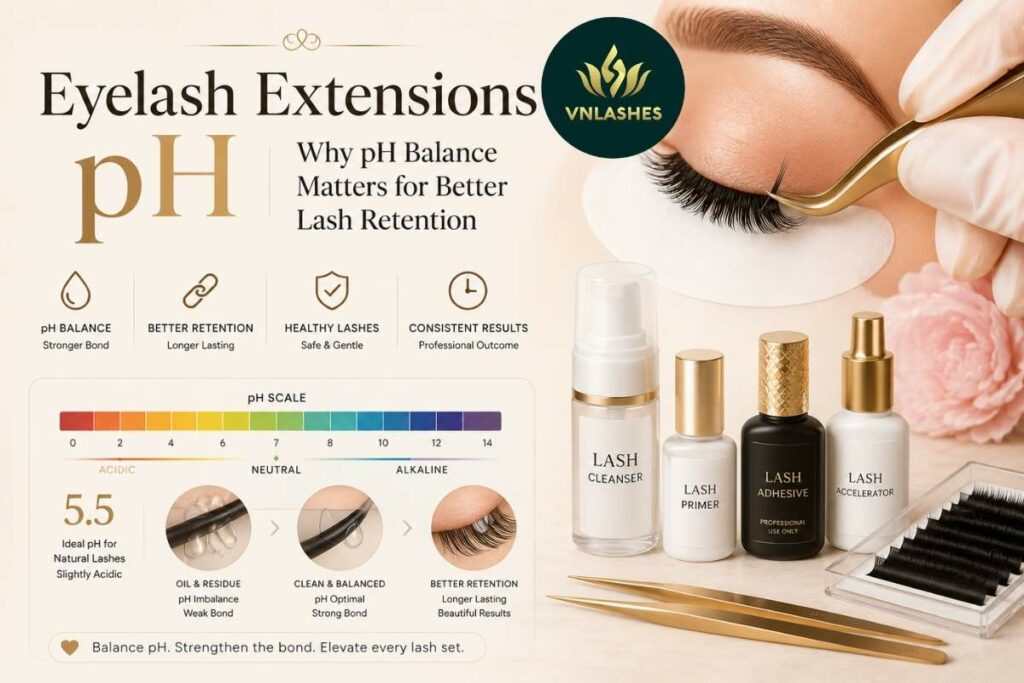
In professional lash extensions, retention is not only about glue quality or application technique. One important factor that many lash artists may overlook is eyelash extensions pH. The pH condition of natural lashes, skin, natural oil, residue, and preparation products can directly affect how well the adhesive bonds to the natural lash.
For lash salons, lash artists, private label brands, and wholesale buyers, understanding eyelash extensions pH can help reduce premature fallout, improve bonding stability, and create a more consistent application process. From a manufacturer and wholesale supplier perspective, pH knowledge is also useful when developing lash prep products, adhesives, and aftercare items for professional use.
What Is Eyelash Extensions pH?
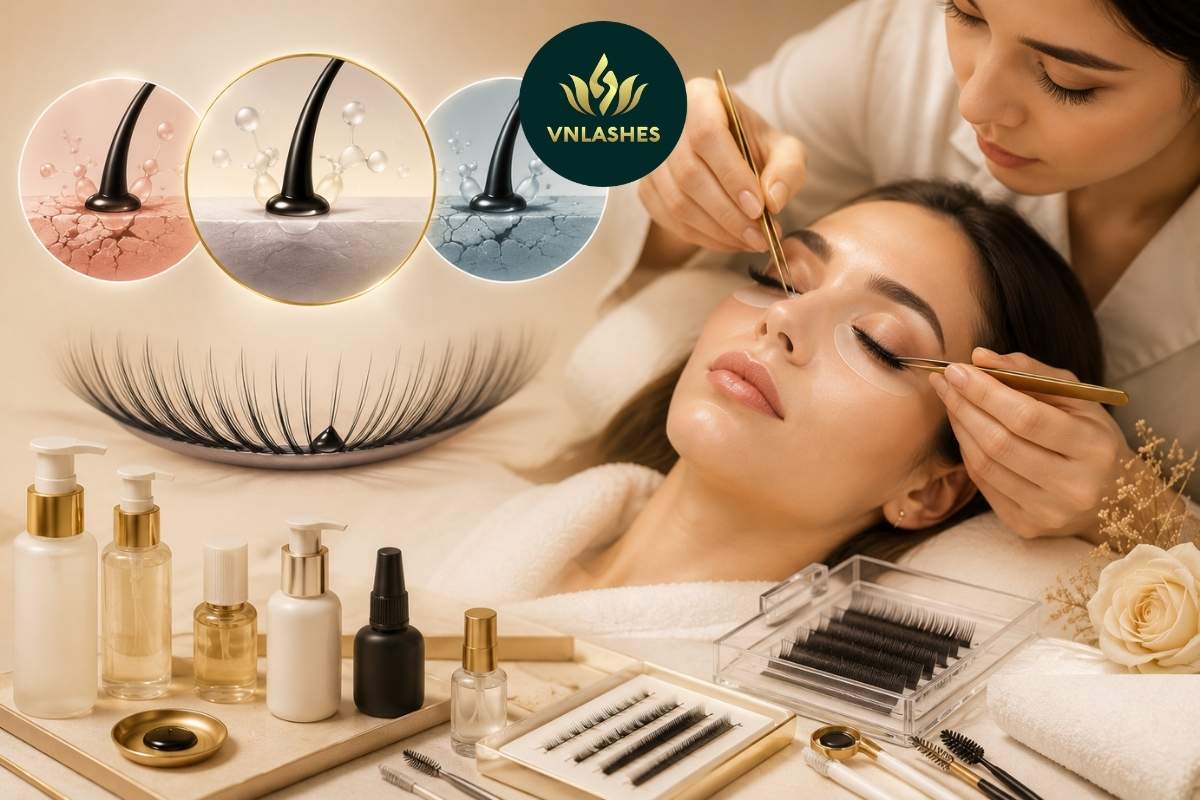
Eyelash extensions pH refers to the pH condition around the natural lashes and eye area before and during lash application. pH is a scale used to measure whether a substance is acidic, neutral, or alkaline.
The pH scale usually runs from 0 to 14:
- Below 7 means acidic
- 7 means neutral
- Above 7 means alkaline
Natural skin and lashes are usually slightly acidic, often around pH 5.5. However, lash glue often performs better when the lash area is clean, balanced, and properly prepared. This is why pH balance for lash extensions is important before applying any lash set.
Why Eyelash Extensions pH Is Important for Lash Retention
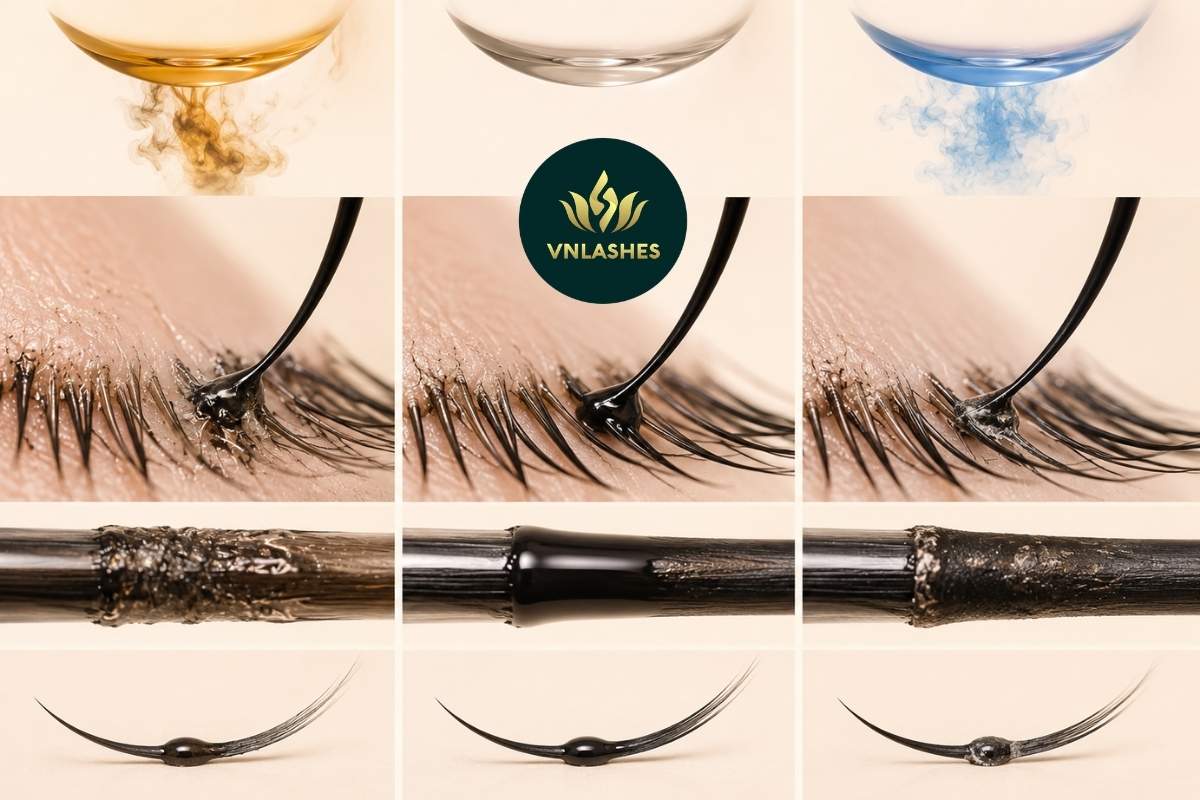
Lash retention depends on how well the glue creates a bond between the natural lash and the extension. If the lash pH level is not suitable, the adhesive may cure too slowly, too quickly, or unevenly. This can lead to weak attachment and shorter wear time.
For professional lash artists, eyelash extensions pH can affect:
- Adhesive curing speed
- Bonding strength
- Flexibility of the glue bond
- Premature lash fallout
- Overall retention result
When the lash surface is clean and properly prepared, the adhesive has a better base to attach to. This supports a more stable bond and helps clients enjoy longer-lasting lash sets.
How pH Affects Lash Glue Performance
Acidic Conditions Can Slow Down Curing
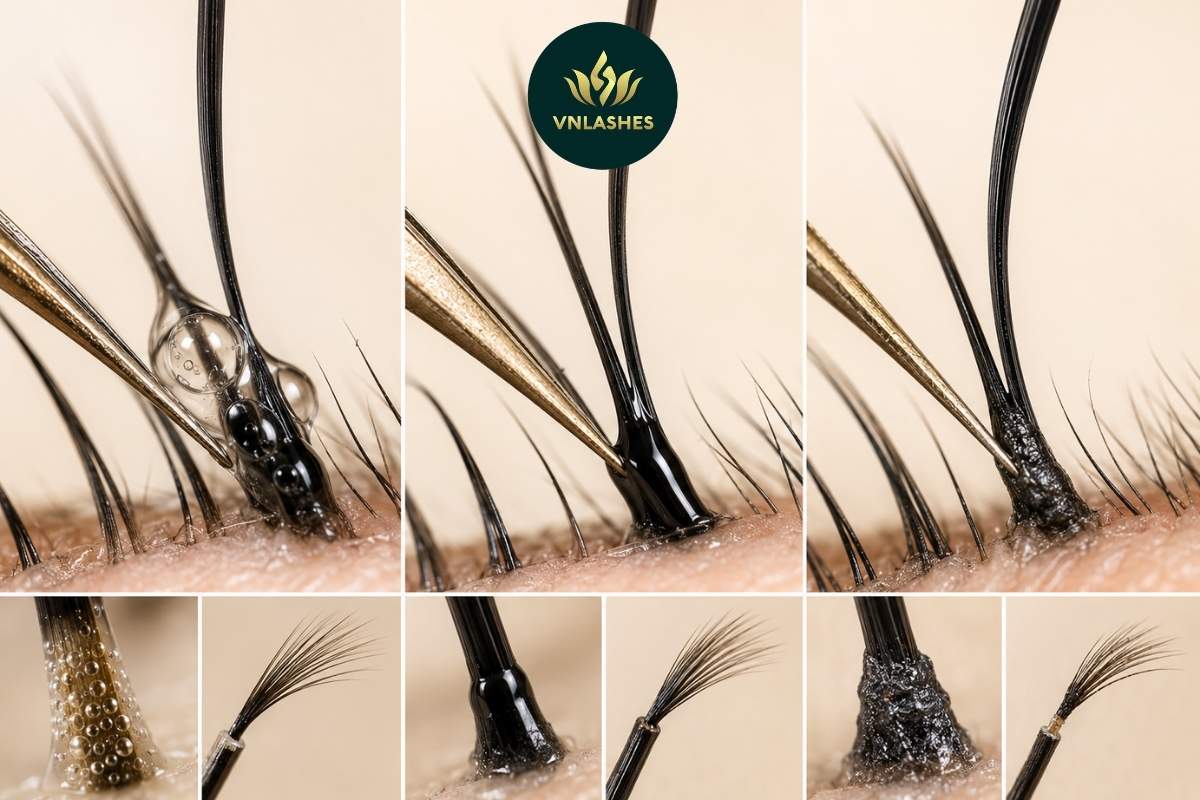
When the lash area is too acidic, the glue may take longer to cure. This can make the bond weaker and less stable. If the adhesive does not cure properly, extensions may fall out sooner than expected.
Acidic conditions may come from natural oils, skincare residue, sweat, or products left on the lashes before application. That is why proper cleansing is one of the first steps in improving eyelash extensions pH and retention.
Alkaline Conditions Can Make Glue Cure Too Fast
If the lash area is too alkaline, the glue may cure too quickly. Fast curing is not always ideal because the adhesive may dry before it forms a strong attachment with the natural lash.
This can result in poor attachment, uneven bonding, or extensions that pop off easily. A balanced lash environment gives the glue enough time to wrap and bond correctly.
Balanced pH Supports Stronger Attachment
A balanced lash surface helps adhesive work more effectively. When natural lashes are clean, free from residue, and properly prepared, the glue can bond more smoothly.
For lash businesses, understanding pH and lash retention helps reduce client complaints, improve salon results, and support more consistent product performance.
Common Factors That Affect Eyelash Extensions pH
Natural Oils on the Lashes
Natural oils from the skin can collect around the lash line. These oils may affect the surface condition and create a barrier between the glue and the natural lash.
Before application, lash artists should remove oil buildup with a suitable lash cleanser. This helps improve eyelash extensions pH and prepares the lashes for better bonding.
Makeup and Mascara Residue
Mascara, eyeliner, and makeup remover can leave residue on the lashes. This residue may interfere with bonding and affect the final retention result.
For clients who wear makeup often, proper cleansing before the appointment is especially important because leftover makeup can disturb the ideal lash pH balance.
Skincare Products Around the Eye Area
Toners, creams, serums, and sunscreen can change the condition of the skin and lashes. Some skincare products may be acidic or alkaline, which can disturb the ideal lash application environment.
Clients should avoid applying heavy skincare products around the eyes before their lash appointment to help maintain better pH balance for lash extensions.
Water and Cleansing Products
Tap water, shampoo, and facial cleansers can have different pH levels. If residue remains on the lashes, it may affect the adhesive bond.
Using professional lash shampoo or lash cleanser is a better option because these products are designed for the lash area and help support a cleaner lash surface.
How to Balance pH Before Lash Application
Clean the Natural Lashes Properly
The first step is always cleansing. A good lash cleanser helps remove oil, dust, makeup, and skincare residue from natural lashes.
Clean lashes give adhesive a better surface to bond with. This is one of the easiest ways to improve eyelash extensions pH without changing the whole application technique.
Use Lash Primer When Needed
Lash primer can help prepare the natural lashes before applying glue. It may remove remaining oil and support a cleaner lash surface.
However, primer should be used correctly. Too much product or improper use can also affect retention, so a small amount is usually enough. In the right situation, primer can help create a better lash pH level for adhesive bonding.
Apply Lash Glue Accelerator Carefully
Lash glue accelerator can help adjust the working condition of adhesive, especially when humidity, temperature, or natural lash condition affects curing speed.
For wholesale lash businesses, accelerator is a useful supporting product because many salons need it to create more consistent retention results. When used correctly, it can support better pH balance for lash extensions.
Choose High-Quality Lash Adhesive
Even with good preparation, adhesive quality still matters. Professional lash glue should have stable performance, suitable drying speed, and strong bonding ability.
From a manufacturing perspective, adhesive should be selected based on salon working speed, local climate, humidity, and technician skill level. This helps the glue work better with different eyelash extensions pH conditions.
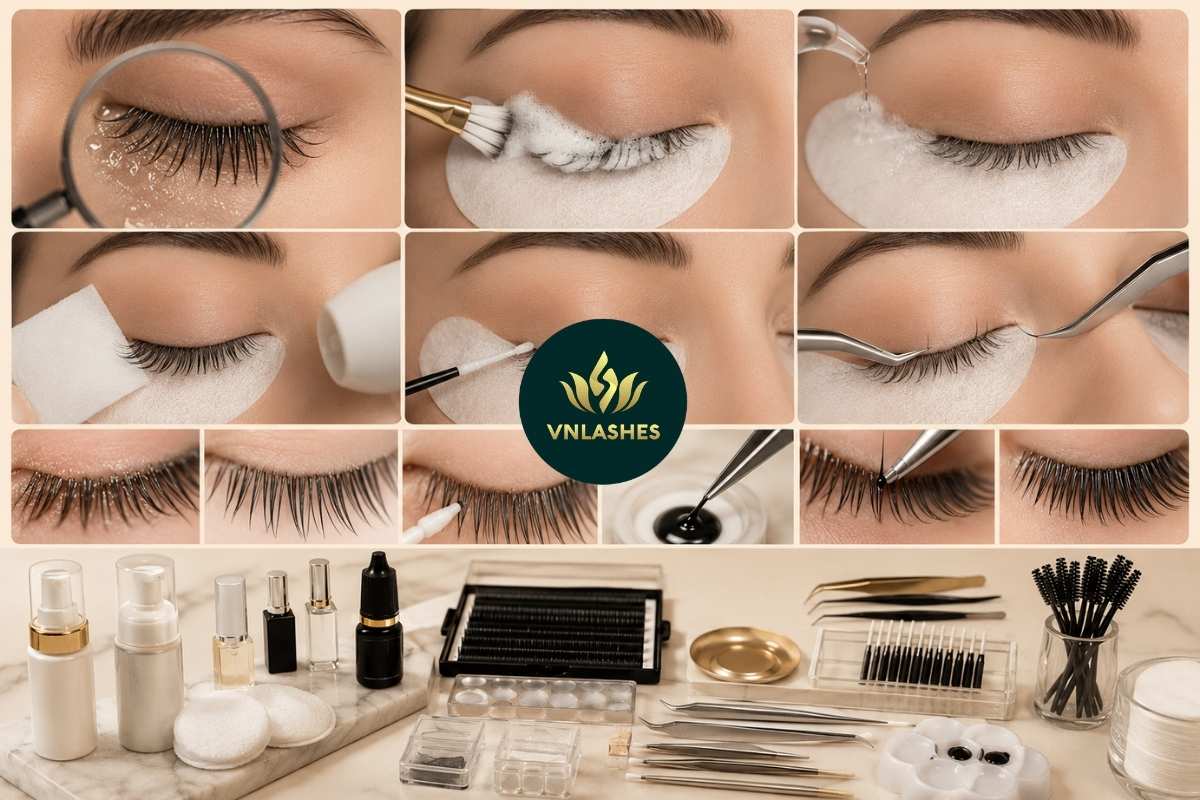
Product Selection for Lash Businesses
For lash brands, salons, and distributors, understanding eyelash extensions pH is helpful when building a complete product line. Good retention is not created by one product alone. It comes from a full system, including cleanser, primer, adhesive, accelerator, and aftercare products.
Lash Cleanser
Lash cleanser is used before and after application. It helps keep lashes clean and supports better wear time by removing oil and residue.
A suitable cleanser helps prepare the lash surface and supports better pH balance for lash extensions.
Lash Primer
Primer prepares the natural lashes before bonding. It is especially useful for clients with oily skin or makeup residue.
When used properly, primer can help improve the lash surface condition before adhesive application.
Lash Adhesive
Lash adhesive is the core product for retention. Choosing the right glue helps lash artists work more smoothly and deliver longer-lasting results.
Stable adhesive performance is important because eyelash extensions pH can influence how quickly and strongly the glue bonds.
Lash Glue Accelerator
Accelerator can support faster and more stable curing when used correctly. It is a helpful product for salons that want more control over retention results.
This product is especially useful when the working environment or natural lash condition affects curing speed.
Aftercare Shampoo
Aftercare shampoo helps clients maintain clean lashes at home. Clean lashes can reduce oil buildup and help extensions stay beautiful for longer.
Proper aftercare also helps protect pH and lash retention after the appointment.
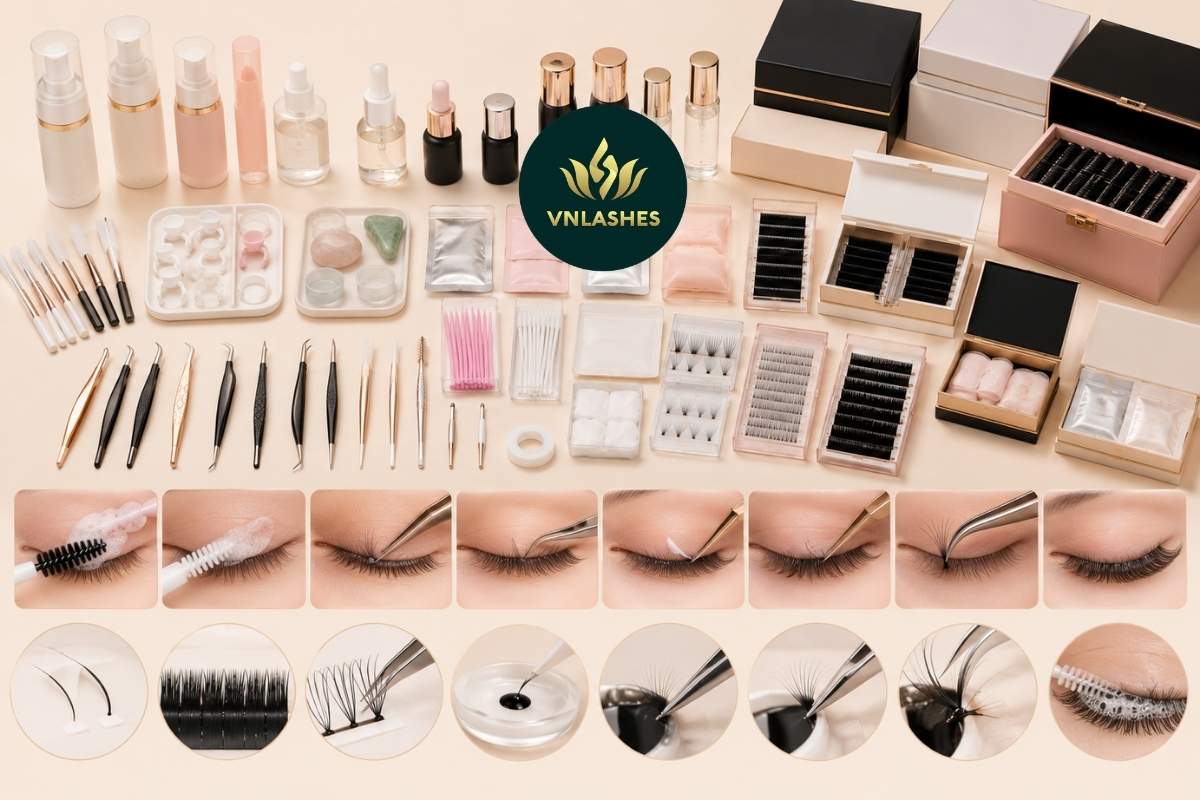
Tips to Improve Lash Retention Through Better pH Control
Prepare the Lash Area Before Every Set
Never apply extensions on lashes with oil, dust, or makeup residue. Clean preparation helps create better adhesive bonding and supports a more stable eyelash extensions pH condition.
Check Client Habits
If a client often has poor retention, ask about their skincare routine, makeup habits, aftercare, and oil production. The issue may not always come from the glue.
Sometimes poor retention is related to oil buildup, skincare residue, or an unbalanced lash surface.
Store Adhesive Correctly
Adhesive should be stored in a cool, dry place and used within the recommended time after opening. Poor storage can affect glue performance.
Even if the lash area is properly prepared, unstable glue may still lead to poor retention.
Replace Glue Drops During Application
Fresh glue drops help maintain stable performance. If the glue drop becomes thick or stringy, the bond may not be strong enough.
Replacing glue drops regularly helps the adhesive work better with the prepared lash surface.
Educate Clients About Aftercare
Clients should avoid oil-based products, heavy eye makeup, and poor cleansing habits. Good aftercare helps protect the lash bond and supports longer wear time.
Clean aftercare habits help maintain better lash pH balance after application.
Why Lash Manufacturers Should Understand Eyelash Extensions pH
For lash manufacturers and wholesale suppliers, pH knowledge is important because buyers are no longer only looking for beautiful lash trays. They also want complete solutions that help salons solve real retention problems.
When a supplier understands eyelash extensions pH, lash preparation, glue behavior, supporting products, and aftercare, it becomes easier to create products that match professional salon needs.
This is especially important for:
Salon Owners
They need stable results to keep clients satisfied and reduce complaints.
Lash Artists
They need products that are easy to use and suitable for different natural lash conditions.
Private Label Brands
They need a complete product system to build trust and increase repeat orders.
Distributors
They need products that are practical, professional, and easy to explain to local customers.
Eyelash Extensions pH and Wholesale Product Development
As a lash manufacturer, we understand that retention is connected to product quality, training, and the full application process. That is why wholesale lash businesses should not only focus on lash trays, but also consider supporting products such as cleanser, primer, adhesive, accelerator, and aftercare shampoo.
A complete product line can help customers achieve better retention results and make the brand more competitive. In product development, eyelash extensions pH should be considered as part of the full lash care system, not as a separate technical detail.
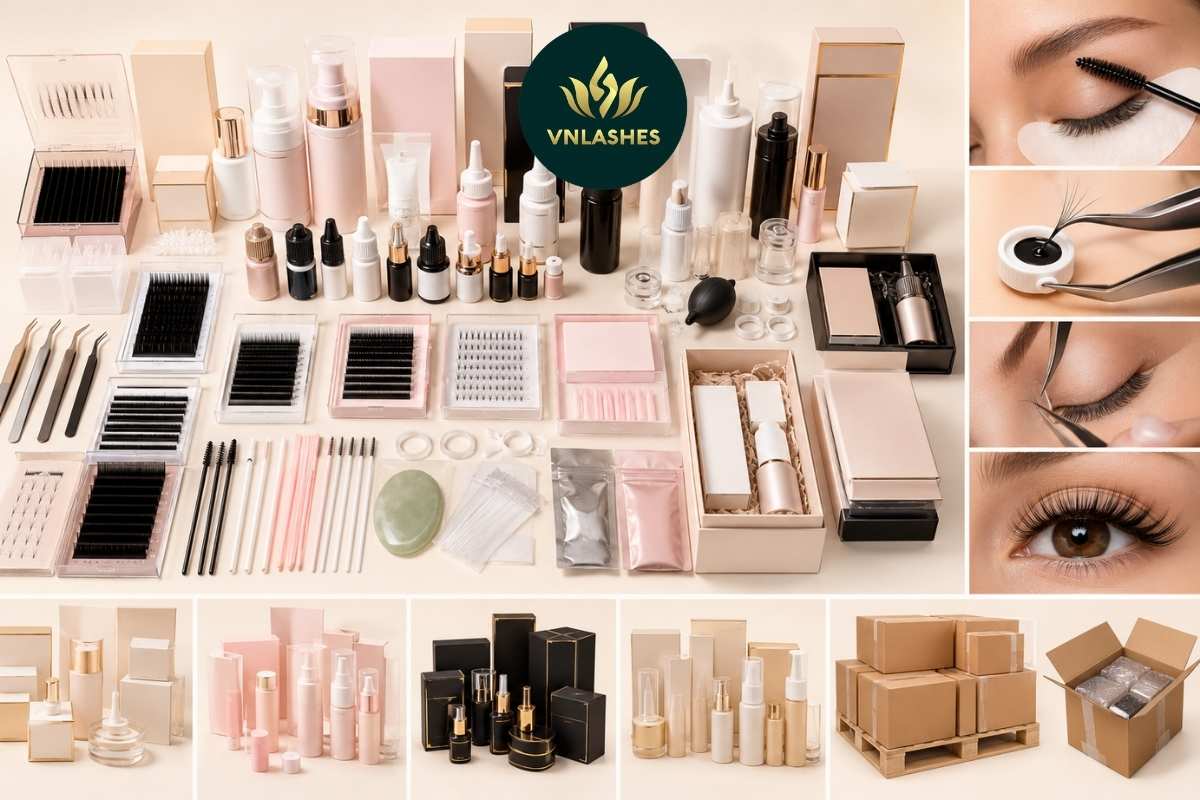
For private label product planning, pH-related lash care products can be developed with different packaging styles, product positioning, and market needs. This allows lash businesses to build a more complete and professional lash product system.
Final Thoughts
Eyelash extensions pH plays an important role in lash retention because it affects how glue cures and bonds with natural lashes. If the lash area is too oily, too acidic, too alkaline, or not properly cleansed, retention may become unstable.
For lash artists, balancing pH starts with proper cleansing, correct product use, and good aftercare education. For salon owners, private label brands, and wholesale buyers, understanding eyelash extensions pH helps support better product selection and more professional lash service results.
In the lash industry, long-lasting retention is not only about glue. It is about the full system behind every beautiful lash set.


Bài viết liên quan
Zero Time Promade Fan Lashes – Wholesale Manufacturer & OEM Services
For lash salons and professional eyelash brands, application efficiency and consistent quality are important factors...
Oct
Magic Fan And Zero Time Promade Fan – A Faster, Time-Saving Lash Extension Solution
In the professional lash extension industry, application speed and product consistency are important factors for...
Oct
Custom Magic Fans Manufacturing and OEM Services: Production Process
When sourcing Magic Fans in bulk, buyers need more than just an attractive lash tray....
Aug
Lash Extension Removal: Common Mistakes and Safe Techniques
Lash extension removal is an important part of professional lash care. When extensions are removed...
Jul
Lash Foam Cleansers: A Practical Guide for Lash Professionals
Lash foam cleansers are essential products for cleaning natural lashes, eyelids and eyelash extensions. They...
Jul
Lash Adhesive Remover: A Must-Have Product for Professional Lash Businesses
In the lash industry, a beautiful lash set is not only about application. Safe, clean,...
Jul