
 Deutsch
 Русский
 Español
 Français
No products in the cart.

Eyelash Knowledge & Education, Lash Adhesive & Retention
Eyelash Extension Adhesive Allergy: Causes, Symptoms and Prevention
10
Jul
Jul
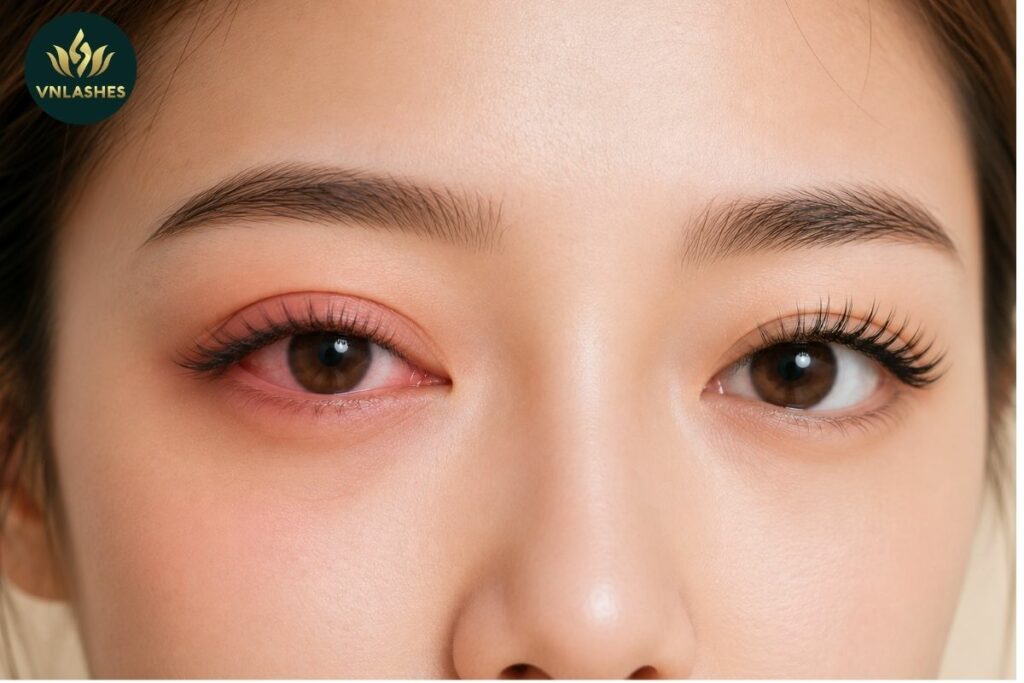
Eyelash extension adhesive allergy is an important concern for lash artists, salons, distributors and professional beauty brands. Although not every uncomfortable reaction is a true allergy, redness, itching or swelling around the eyes should always be taken seriously.
As a lash product manufacturer and wholesale supplier, we understand that reducing the risk of eyelash extension adhesive allergy depends on product quality, technician skill, salon conditions and clear client consultation.
What Is Eyelash Extension Adhesive Allergy?
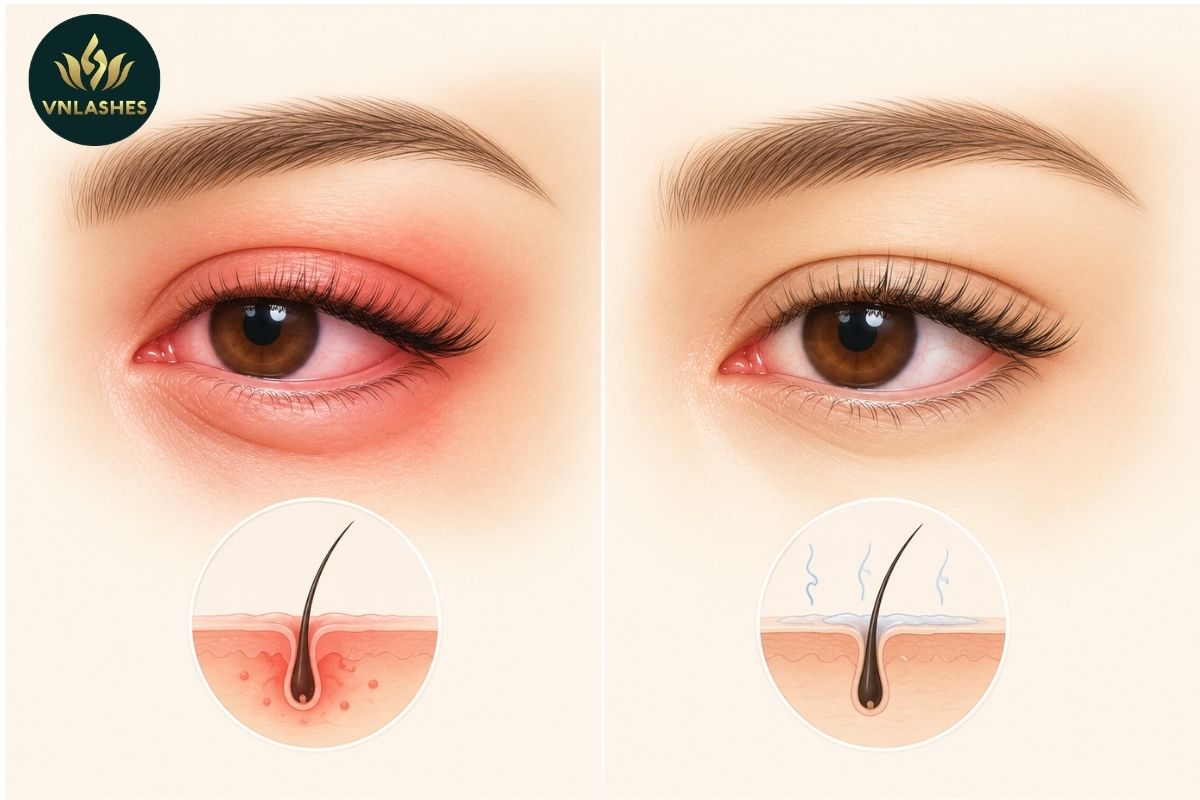
Eyelash extension adhesive allergy is an immune response to one or more ingredients in professional lash glue. Because eyelid skin is thin and sensitive, symptoms often appear around the lash line or surrounding eye area.
A true eyelash extension adhesive allergy is different from temporary irritation caused by fumes, poor ventilation or incorrect application.
Allergy vs. Temporary Irritation
An allergic reaction may become stronger after repeated exposure and can involve itching, swelling or persistent redness.
Temporary irritation may result from:
- Excessive adhesive fumes
- The client opening their eyes during application
- Glue touching the skin
- Poor room ventilation
- Incorrect temperature or humidity
- Eye pads placed too close to the eye
Understanding the difference helps lash professionals respond more appropriately and avoid confusing irritation with an eyelash extension adhesive allergy.
What Causes Eyelash Extension Adhesive Allergy?
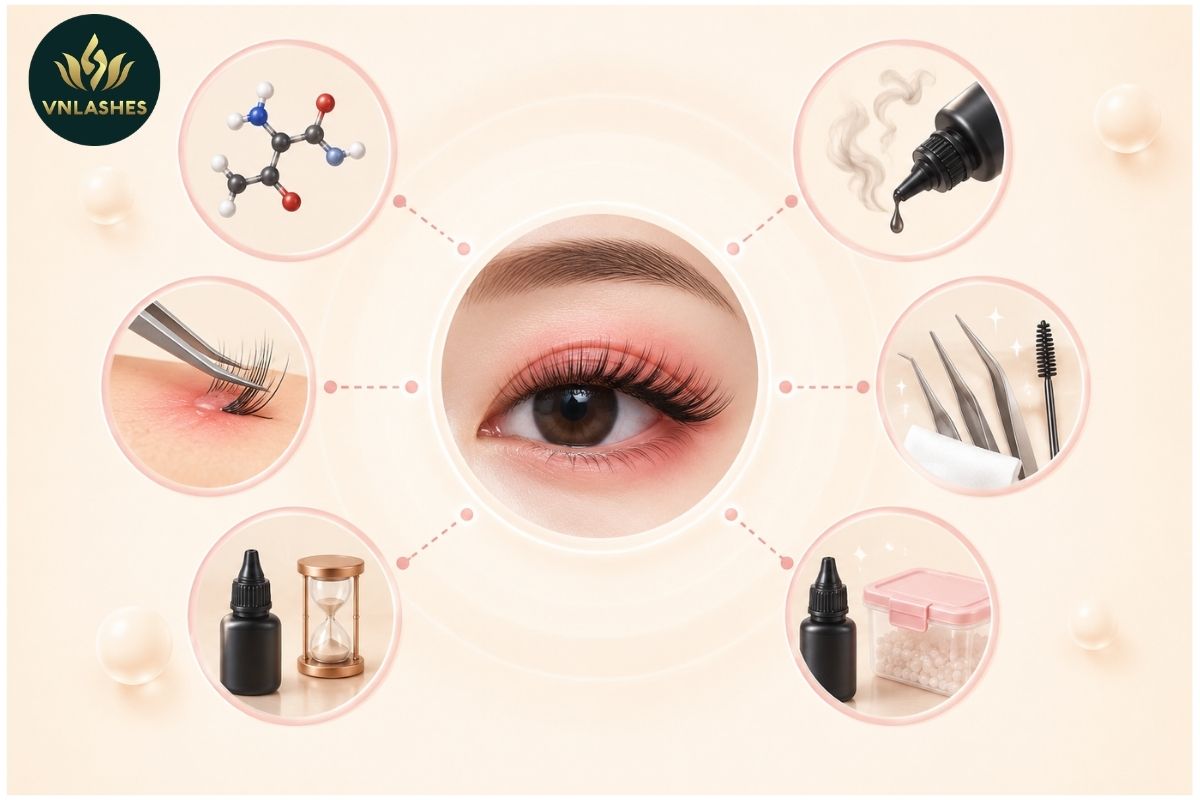
Cyanoacrylate is the main bonding ingredient in most professional eyelash extension glues. It allows the adhesive to dry quickly and create a durable connection between the natural lash and extension.
For many clients, sensitivity to cyanoacrylate is the main cause of eyelash extension adhesive allergy.
Cyanoacrylate Sensitivity
Sensitivity can develop over time. A client who previously wore extensions without problems may later experience eyelid itching, redness or swelling.
Low-fume and sensitive formulas may reduce exposure to irritating vapors, but no professional adhesive can guarantee that eyelash extension adhesive allergy will never occur.
Other Possible Triggers
Possible contributing factors may include:
- Carbon black pigment
- Added fragrance
- Supporting chemicals within the formula
- High adhesive fume exposure
- Direct skin contact
- Contaminated tools
- Expired or incorrectly stored products
- Improper application technique
Lash artists should review product labels, instructions and available safety information before use.
Common Symptoms of Eyelash Extension Adhesive Allergy
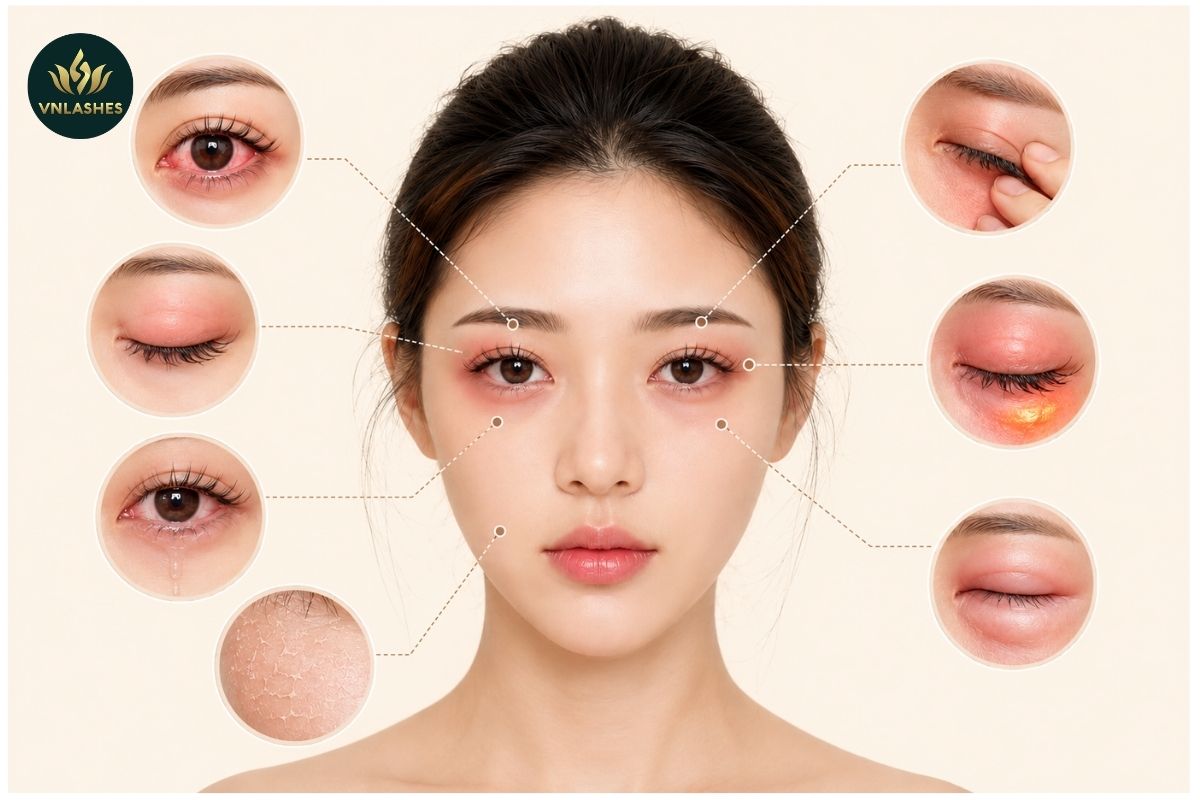
Symptoms of eyelash extension adhesive allergy vary between clients and may appear shortly after application or during the following days.
Mild Symptoms
Possible mild symptoms include:
- Itchy eyelids
- Watery eyes
- Redness
- Mild swelling
- Dry skin around the eyes
- Burning or stinging
- Discomfort near the lash line
Serious Warning Signs
More severe symptoms can include:
- Significant eyelid or facial swelling
- Blisters
- Hives
- Persistent pain
- Vision changes
- Difficulty breathing
Clients experiencing breathing difficulties, vision problems or rapidly worsening swelling should seek urgent medical attention.
How Lash Artists Can Reduce the Risk
Correct technique and a controlled working environment may help reduce unnecessary exposure to glue fumes and lower the risk of eyelash extension adhesive allergy.
Choose Adhesive From a Reliable Supplier
Professional buyers should choose products from manufacturers or wholesale suppliers that provide clear technical information.
Important product details may include:
- Ingredient information
- Manufacturing and expiry dates
- Recommended drying speed
- Suitable temperature and humidity
- Storage instructions
- Batch identification
- Safety and warning information
The term “hypoallergenic” should not be understood as completely allergy-free. It generally describes a formula designed to reduce certain irritating ingredients or fumes.
Prevent Direct Skin Contact
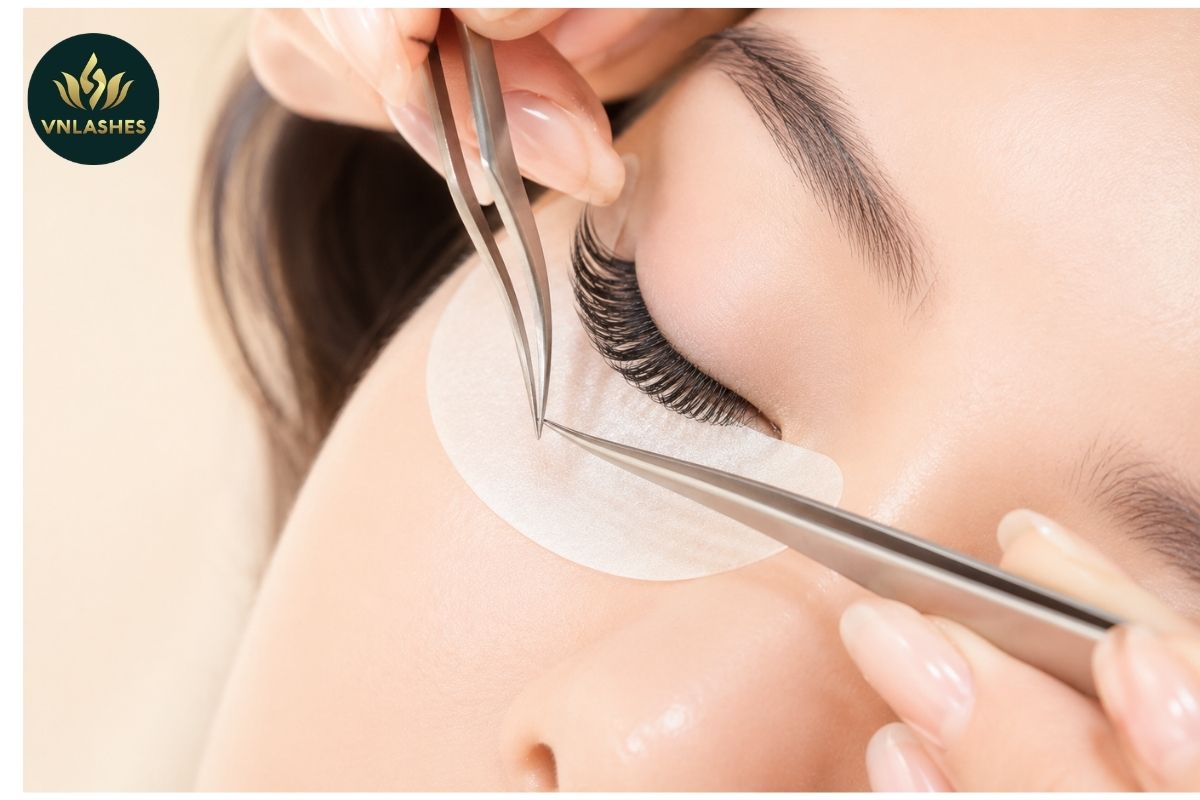
Lash glue should bond the extension to the natural lash without touching the eyelid.
Leaving an appropriate distance between the adhesive bond and the skin can reduce discomfort and lower unnecessary exposure that may contribute to eyelash extension adhesive allergy.
Control Temperature and Humidity
Professional eyelash glue performs differently depending on room conditions. When humidity or temperature falls outside the recommended range, the adhesive may dry too quickly or too slowly.
Lash artists should monitor:
- Room temperature
- Relative humidity
- Drying speed
- Glue drop condition
- Retention performance
- Client comfort
Choosing a formula that matches the salon environment is more effective than selecting adhesive based only on drying time.
Improve Ventilation
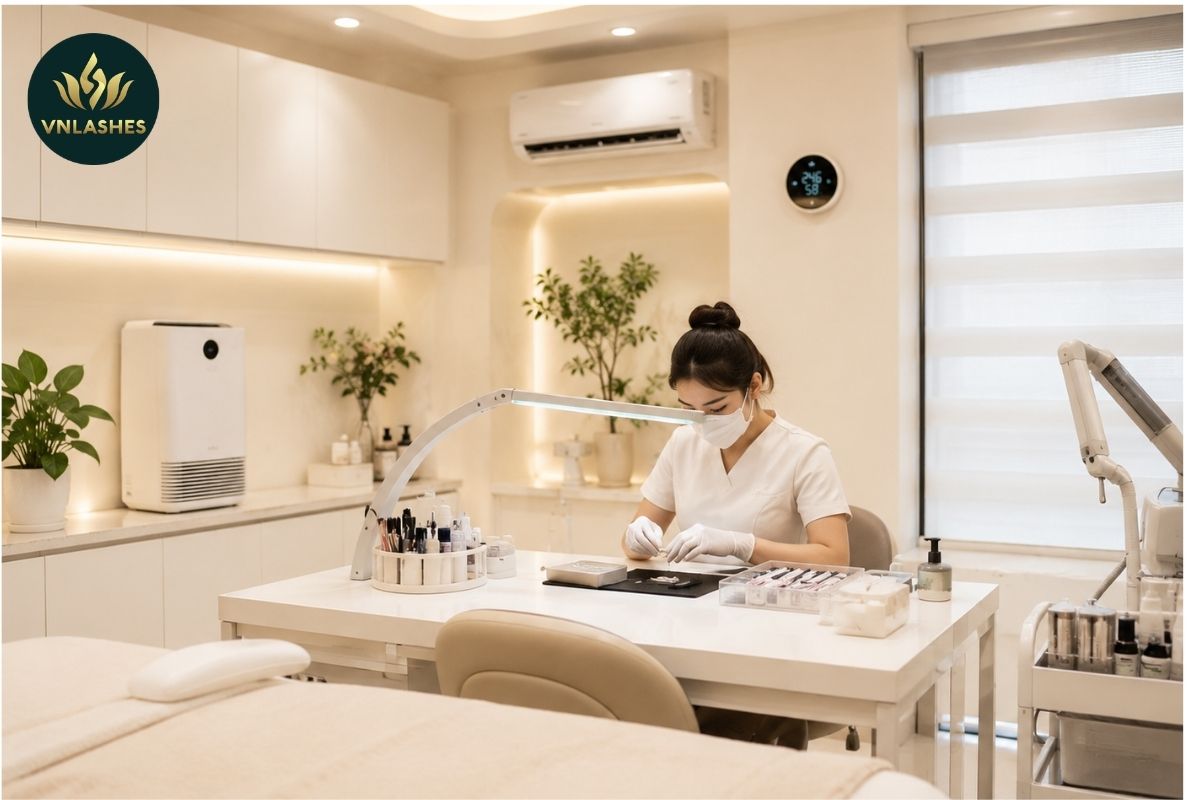
Good airflow can help reduce the concentration of adhesive fumes around the client.
A professional lash room may use:
- Regular room ventilation
- Suitable air circulation
- A fume extractor
- An air purifier
- Enough space around the treatment bed
Fans should not blow directly onto the adhesive drop because excessive airflow may change curing performance.
Use a Controlled Amount of Glue
Using more adhesive does not always create better retention. Excess product can increase fumes, form heavy bases and make the lash set less comfortable.
A controlled amount of glue helps create a cleaner bond and may reduce exposure associated with eyelash extension adhesive allergy.
Should Clients Have a Patch Test?
A patch test may be considered for clients with sensitive skin, previous reactions or concerns about a new product.
However, a negative result does not guarantee that the client will not develop an eyelash extension adhesive allergy after a full application.
When a Patch Test May Be Appropriate
It may be considered when the client:
- Has experienced a previous reaction
- Has sensitive skin or eyes
- Is trying a different adhesive
- Has concerns about glue ingredients
- Has never received eyelash extensions before
Patch testing should follow local requirements, insurance guidance and manufacturer instructions.
What to Do When a Reaction Occurs
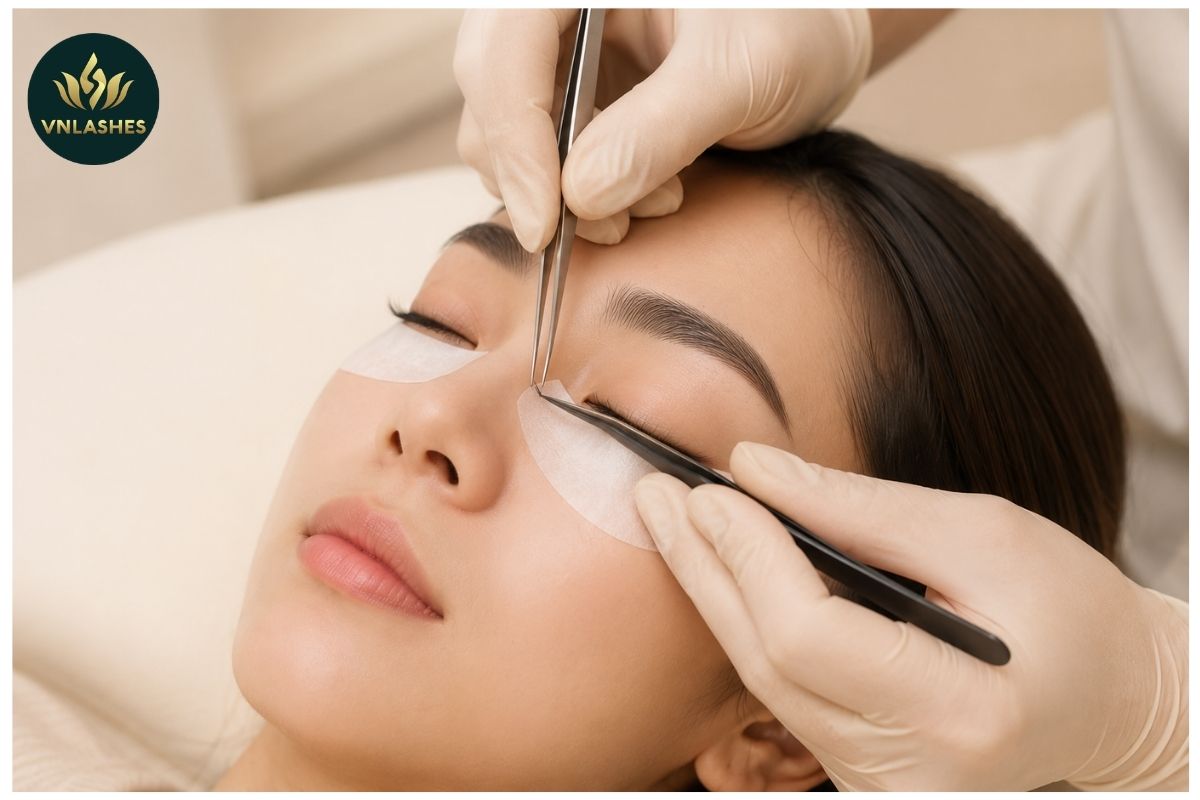
Lash artists should not attempt to diagnose or medically treat a suspected eyelash extension adhesive allergy.
Appropriate Next Steps
A client experiencing symptoms should:
- Avoid rubbing the eyes
- Stop using new eye cosmetics or skincare products
- Contact a qualified healthcare professional
- Follow professional medical advice
- Avoid applying unverified home treatments
- Inform the lash artist about any changes in symptoms
Extension removal should be completed carefully by a trained professional when appropriate. Removing the lashes may not make symptoms disappear immediately because the reaction can continue after the initial exposure.
How Manufacturers Support Safer Adhesive Use
Manufacturers and wholesale suppliers play an important role in maintaining consistent product performance and reducing avoidable risks related to eyelash extension adhesive allergy.
Professional production control should cover:
- Raw material selection
- Formula consistency
- Bottle filling
- Sealing quality
- Batch testing
- Product labeling
- Storage conditions
- Packaging protection
Clear product information helps salons and distributors select formulas that suit their working environment and target customers.
Wholesale Adhesive Options
Different technicians and markets may require different product characteristics, including:
- Fast-drying glue
- Medium-speed glue
- Low-fume adhesive
- Clear formula
- Black formula
- Products designed for experienced technicians
- Adhesives suitable for higher or lower humidity
The most suitable option depends on climate, application speed, salon conditions and technician experience.
Private Label Lash Adhesive
Private label production may allow lash businesses to customize:
- Bottle size
- Drying speed
- Adhesive color
- Packaging design
- Product labels
- Warning information
- Storage guidance
- Branding elements
Any performance or safety claim displayed on the packaging should be accurate, supportable and clearly explained.
How to Store Professional Lash Glue
Correct storage helps maintain stable drying performance and product quality.
Poor storage does not directly cause every eyelash extension adhesive allergy, but it can change product performance and increase application problems.
Before Opening
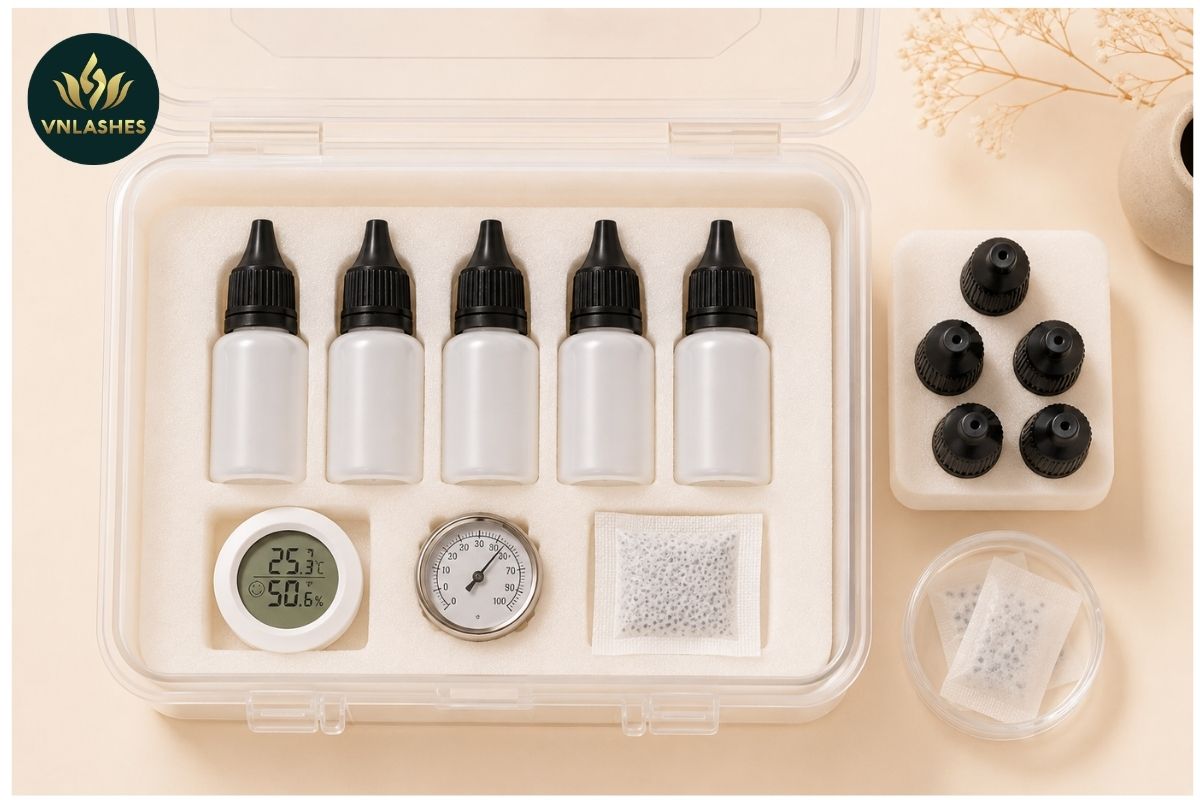
Unopened bottles should be kept according to the manufacturer’s recommendations. The storage area should usually be cool, dry and protected from sunlight, moisture and unstable temperatures.
After Opening
After opening, lash technicians should:
- Close the cap tightly
- Clean the nozzle after each use
- Store the bottle upright
- Keep it away from heat and sunlight
- Record the opening date
- Follow the recommended replacement period
- Stop using glue that has changed in texture or performance
Expired or damaged adhesive should not be used on clients.
Frequently Asked Questions
Can Sensitive Glue Prevent Eyelash Extension Adhesive Allergy?
No. A low-fume or sensitive formula may reduce certain irritants, but it cannot completely eliminate the risk of eyelash extension adhesive allergy.
Are Cyanoacrylate-Free Professional Adhesives Available?
Most professional extension glues use a form of cyanoacrylate to create a fast and durable bond. Products marketed differently should be checked carefully for their ingredients, intended use and performance.
Can a Client Develop Sensitivity Over Time?
Yes. A client may develop eyelash extension adhesive allergy after several previous appointments without noticeable symptoms.
Should the Extensions Always Be Removed Immediately?
The correct response depends on the symptoms and professional medical advice. When removal is appropriate, it should be carried out carefully by a trained lash technician.
Conclusion
Eyelash extension adhesive allergy cannot always be prevented. However, reliable products, careful application, good ventilation, correct salon conditions and clear client consultation may help reduce unnecessary risks.
For salons, distributors and private label brands, working with an experienced lash product manufacturer can support better control over product consistency, technical information, packaging and wholesale supply.


Bài viết liên quan
Private Label Lashes: Build Your Own Lash Brand With A Trusted Manufacturer
Building a successful business in today’s beauty industry involves more than simply selling high-quality products....
Oct
Zero Time Promade Fan Lashes – Wholesale Manufacturer & OEM Services
For lash salons and professional eyelash brands, application efficiency and consistent quality are important factors...
Oct
Magic Fan And Zero Time Promade Fan – A Faster, Time-Saving Lash Extension Solution
In the professional lash extension industry, application speed and product consistency are important factors for...
Oct
Custom Magic Fans Manufacturing and OEM Services: Production Process
When sourcing Magic Fans in bulk, buyers need more than just an attractive lash tray....
Aug
Lash Extension Removal: Common Mistakes and Safe Techniques
Lash extension removal is an important part of professional lash care. When extensions are removed...
Jul
Lash Foam Cleansers: A Practical Guide for Lash Professionals
Lash foam cleansers are essential products for cleaning natural lashes, eyelids and eyelash extensions. They...
Jul