
 Deutsch
 Русский
 Español
 Français
No products in the cart.

Eyelash Knowledge & Education, Lash Aftercare & Safety
8 Reasons Behind Bad Lash Extensions and How to Prevent Them
07
Jul
Jul
Bad lash extensions can turn a beautiful lash service into an uncomfortable experience. When eyelash extensions are applied incorrectly or made with poor-quality materials, they may cause irritation, clumping, early fallout, or damage to the natural lashes.
For lash artists, salon owners, distributors, and lash brands, understanding the causes of bad lash extensions is important. A professional lash set should look beautiful, feel lightweight, and stay comfortable during daily wear.
In this guide, VNLASHES explains the most common reasons behind bad lash extensions, how to prevent them, and why choosing the right lash supplier can help your business deliver safer, better, and longer-lasting lash sets.
What Are Bad Lash Extensions?
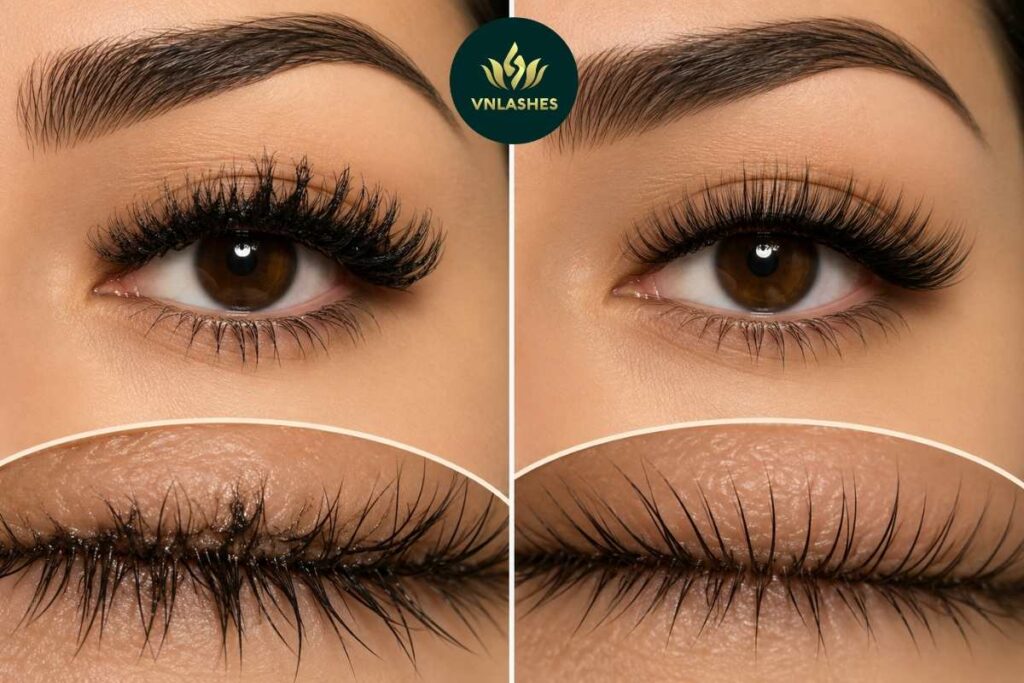
Bad lash extensions are lash sets that look unnatural, feel uncomfortable, or negatively affect the client’s natural lashes. They may happen because of poor application, unsuitable lash weight, low-quality lash fibers, wrong adhesive, or incorrect aftercare.
A good lash extension set should be soft, balanced, lightweight, and safe for the natural lashes. If the client feels pain, pulling, itching, or irritation, the lash set should be checked by a professional.
Common Signs of Bad Lash Extensions
Some common signs include:
- Uneven or unbalanced lash design
- Lashes sticking together
- Extensions that feel too heavy
- Irritation, redness, or itching
- Lashes falling out too quickly
- Visible gaps or sparse areas
- Too much adhesive on the lash line
- Extensions placed too close to the skin
- Lashes pointing in different directions
These signs are not only uncomfortable for clients but can also affect the reputation of a salon or lash brand.
1. Poor Lash Extension Application
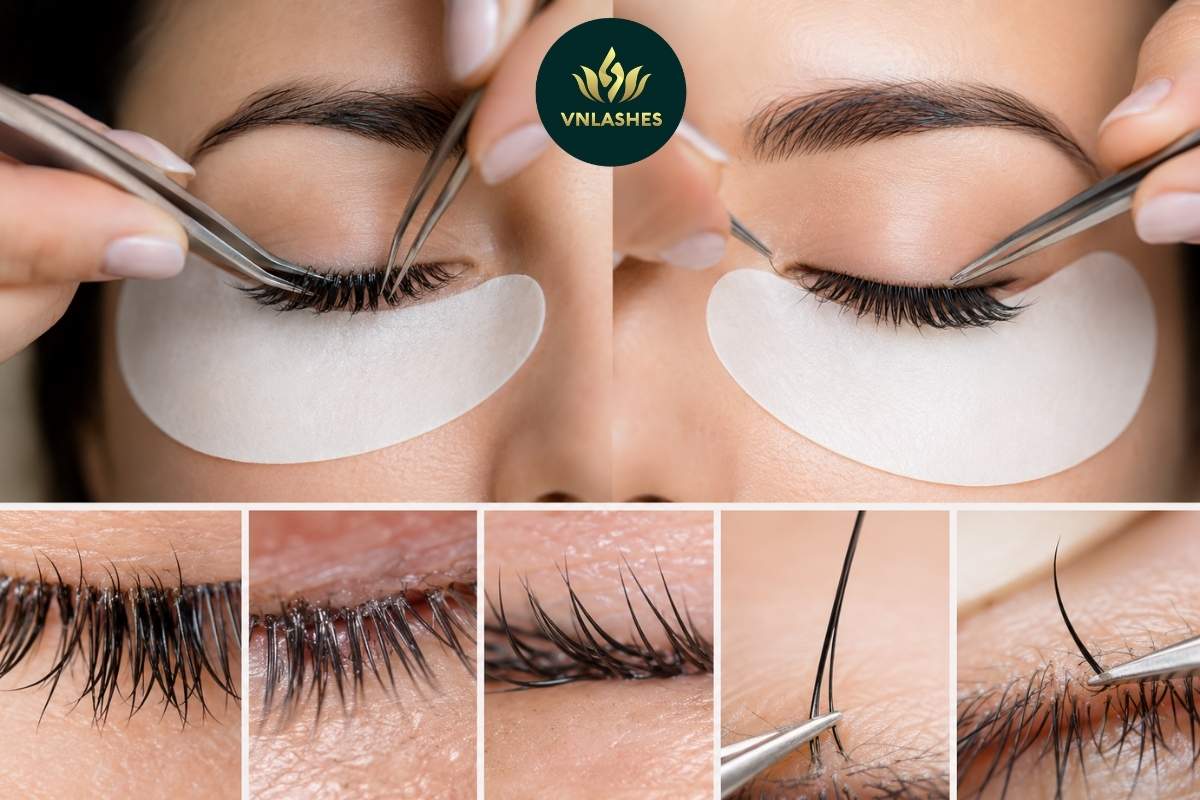
Poor application is one of the most common reasons for bad lash extensions. Eyelash extensions require careful technique, proper isolation, and accurate placement. If the extensions are attached too close to the skin or applied to multiple natural lashes at once, clients may feel discomfort or pulling.
Incorrect application can also make the lash set look messy, heavy, or uneven. Over time, this may lead to weak retention, poor lash results, and client dissatisfaction.
How to Prevent Bad Lash Extensions from Poor Application
Lash artists should isolate each natural lash before applying an extension. A safe distance of around 0.5–1 mm from the eyelid helps prevent irritation while still creating a strong bond.
Professional tools, clean tweezers, proper lighting, and a sanitized workspace are also important for creating safe and beautiful lash sets. These small details help reduce the risk of bad lash extensions during daily salon work.
2. Using Low-Quality Lash Extensions
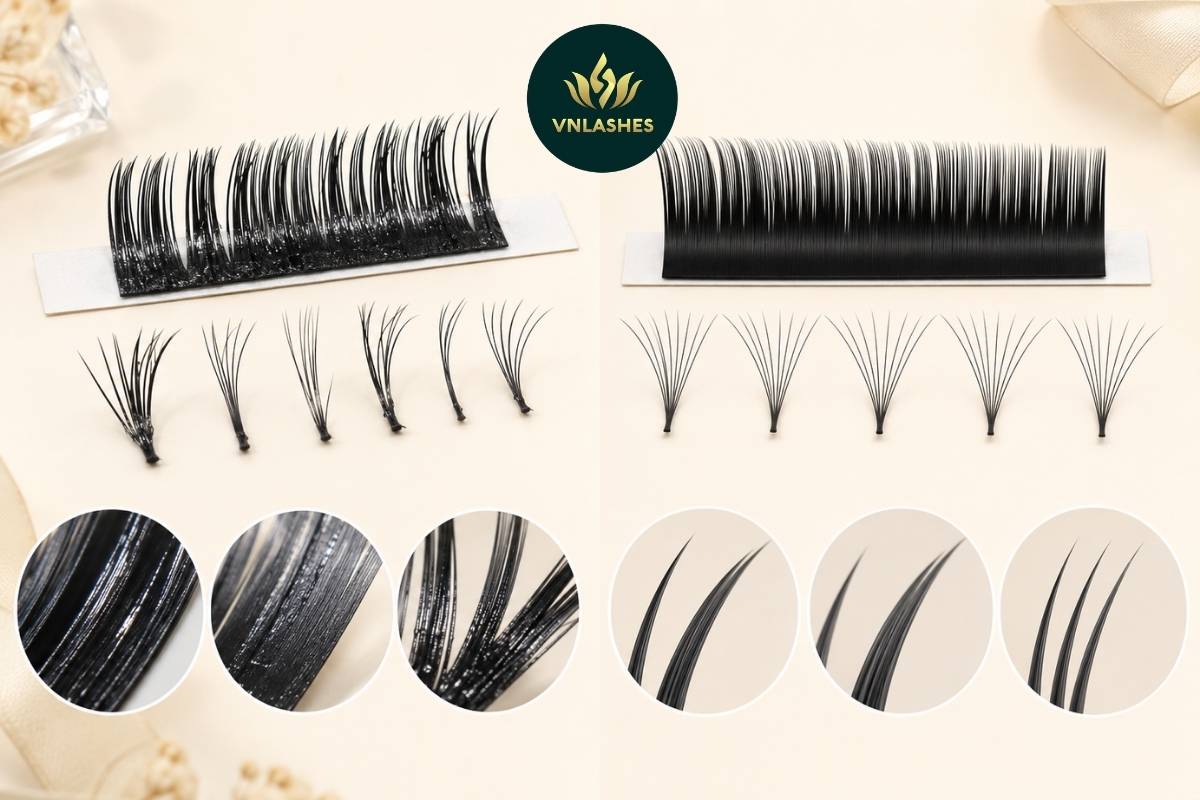
Low-quality lash materials can easily lead to bad lash extensions. Cheap lash fibers may feel stiff, look too shiny, or appear unnatural on the eyes. They may also lose curl quickly or create an uncomfortable feeling for the client.
For lash businesses, poor materials can cause more complaints, lower retention, and fewer repeat customers.
How to Prevent It
Choose premium lash extensions made from high-quality PBT fiber. Good lash extensions should be soft, lightweight, flexible, and consistent in curl, thickness, and length.
As a professional eyelash manufacturer, VNLASHES focuses on producing high-quality lash extensions with stable curl, clean bases, and comfortable wear. This helps lash artists create better results and reduce product-related bad lash extensions.
3. Incorrect Lash Length and Thickness
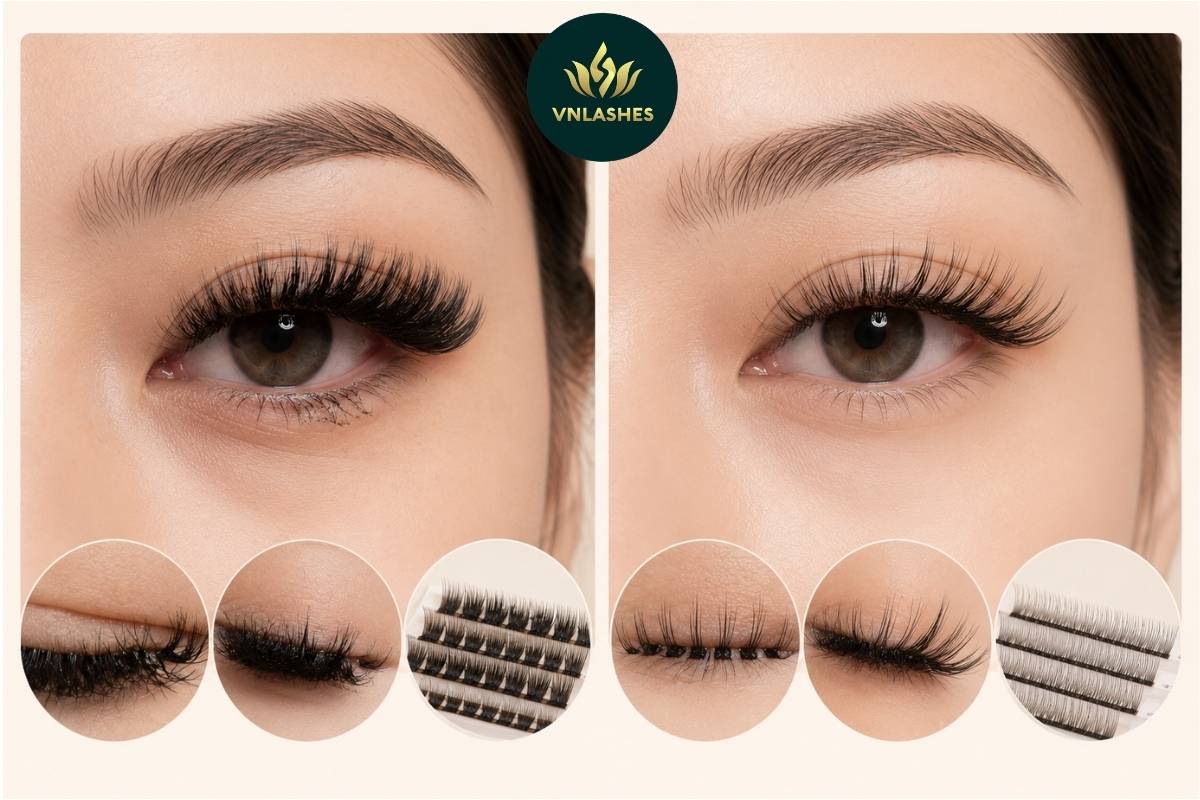
Choosing the wrong length or thickness can cause bad lash extensions, especially when the extensions are too heavy for the client’s natural lashes. Long or thick extensions may look dramatic at first, but they can place too much pressure on weak natural lashes.
Over time, this may lead to bending, breakage, or premature shedding.
How to Prevent Bad Lash Extensions from Wrong Lash Weight
Lash artists should always check the condition of the client’s natural lashes before choosing a style.
General recommendations:
- Classic lash sets: 0.10 mm–0.12 mm
- 2D–3D volume sets: 0.05 mm–0.07 mm
- Volume sets above 3D: 0.03 mm–0.05 mm
The lash extension length should usually be no more than 2–3 mm longer than the natural lash. Choosing the right weight helps protect natural lashes and improve retention.
4. Using the Wrong Lash Glue
Lash adhesive is another major factor behind bad lash extensions. If the glue does not match the room humidity, temperature, or working speed of the lash artist, the extensions may not bond properly.
Poor-quality adhesive can also cause irritation, redness, or early lash fallout. This is why adhesive selection is just as important as lash fiber quality.
How to Prevent It
Use professional eyelash extension glue that matches your working environment. Lash artists should pay attention to humidity, temperature, drying time, and glue freshness.
For sensitive clients, a patch test may be helpful before full application. Choosing the right adhesive improves retention and creates a more comfortable lash experience.
5. Poor Lash Isolation
Poor isolation can cause lashes to stick together, creating clumpy and uncomfortable results. This is one of the most serious causes of bad lash extensions because natural lashes need to grow and shed independently.
When several natural lashes are glued together, clients may feel pulling or tightness when blinking. This can damage the natural lash cycle and create visible gaps over time.
How to Prevent Bad Lash Extensions from Poor Isolation
Each extension should be applied to only one isolated natural lash. Lash artists should use suitable isolation tweezers and take time to separate each lash carefully.
Good isolation creates a cleaner lash line, better retention, and a more comfortable result for the client. It also helps prevent bad lash extensions caused by clumping or stuck-together lashes.
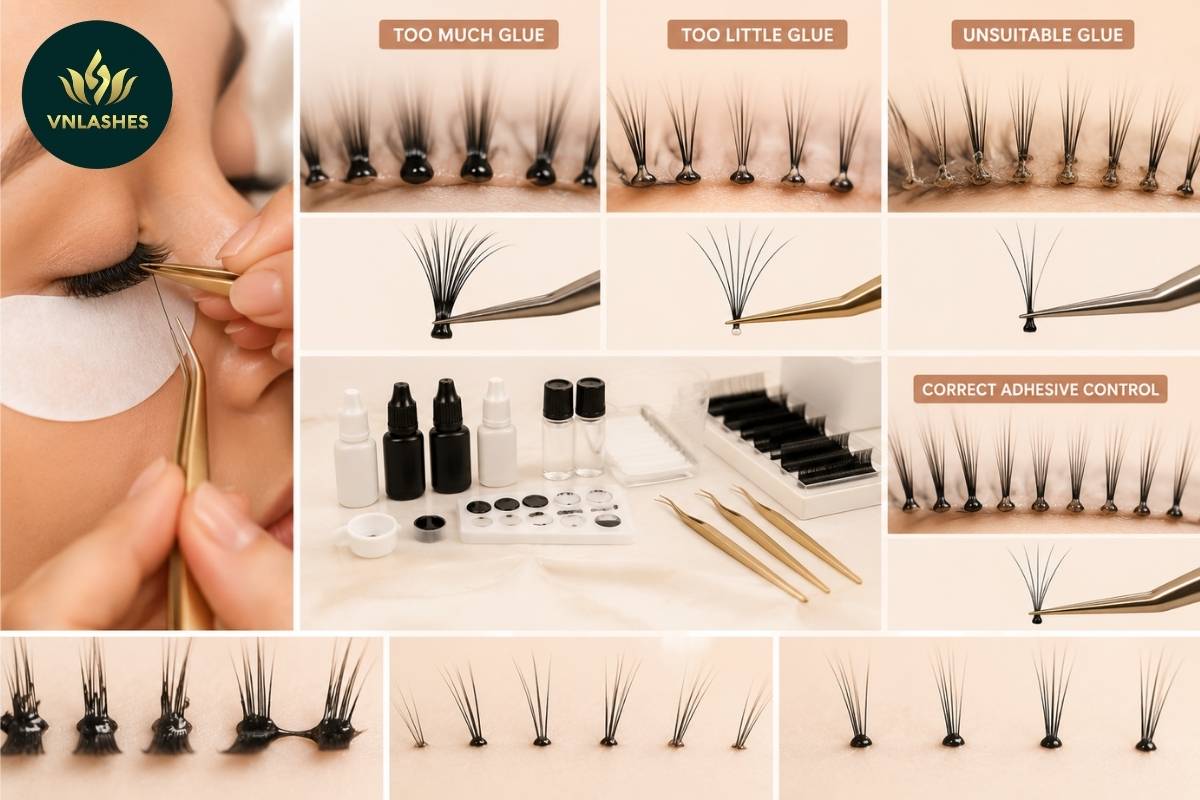
6. Too Much or Too Little Adhesive
Using too much glue can make extensions look clumpy, heavy, and messy. Using too little glue can cause poor bonding and early fallout. Both problems can result in bad lash extensions.
The right amount of adhesive is key to a neat, long-lasting lash set.
How to Prevent It
The adhesive should cover the base of the extension without dripping or spreading onto the skin. Lash artists should control the glue amount carefully and replace glue drops regularly during application.
Clean adhesive control helps create a professional lash set with better comfort and retention.
7. Poor Aftercare
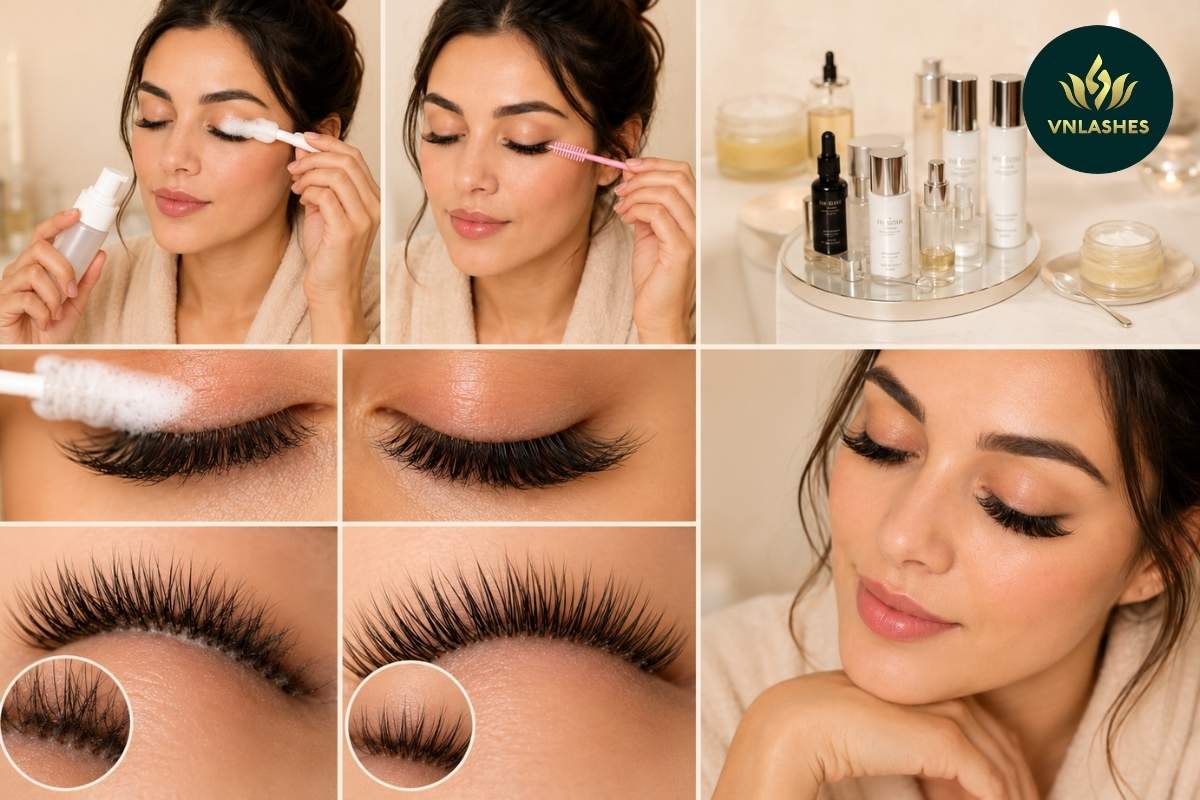
Even a well-applied lash set can become bad lash extensions if aftercare is not done correctly. Oil-based products, rubbing, dirt, and makeup residue can weaken the adhesive bond and cause premature lash loss.
Poor cleaning can also lead to buildup around the lash line, which may affect comfort and retention.
How to Prevent Bad Lash Extensions with Better Aftercare
Lash artists should give clients clear aftercare instructions after every appointment.
Clients should:
- Avoid rubbing their eyes
- Avoid oil-based products around the eyes
- Keep lashes clean with a lash-safe cleanser
- Brush lashes gently every day
- Follow the recommended refill schedule
Proper aftercare helps maintain lash retention and keeps the lash set looking fresh for longer.
8. Bad Lash Retention
Bad retention means lash extensions fall out too quickly or do not stay attached properly. This is a common complaint when clients experience bad lash extensions.
Retention problems may come from poor lash preparation, oily natural lashes, unsuitable adhesive, incorrect humidity, or weak aftercare.
How to Prevent It
Start with a clean lash base before application. Remove oil, dust, and makeup residue before applying extensions. Use a suitable primer if needed, and choose adhesive based on the room environment.
For salons and lash businesses, using consistent, high-quality lash products also helps improve retention and customer satisfaction.
How to Fix Bad Lash Extensions
If a client already has bad lash extensions, the safest solution is professional removal. Clients should never pull, cut, or force the extensions off because this can damage the natural lashes.
A trained lash artist should use a professional remover to dissolve the adhesive safely. After removal, the lash line should be cleaned carefully to remove glue residue, oil, and dirt.
Before applying a new set, check the client’s natural lashes. If they are weak or damaged, allow them time to recover before reapplication. Healthy natural lashes are the foundation for a safe and long-lasting lash set.
Why Lash Product Quality Matters for Wholesale Buyers
For lash brands, distributors, and salon suppliers, product quality plays a major role in preventing bad lash extensions. Even skilled lash artists may struggle if the lashes are inconsistent, too stiff, poorly curled, or difficult to apply.
High-quality lash extensions help improve:
- Application speed
- Lash retention
- Client comfort
- Final lash appearance
- Salon reputation
- Repeat orders
- Brand trust
This is why wholesale buyers should choose a reliable eyelash manufacturer with stable production quality and strict quality control. Better materials help reduce the risk of bad lash extensions before the application even begins.
Why Choose VNLASHES?
VNLASHES is a professional eyelash manufacturer in Vietnam, supplying lash extensions for lash brands, distributors, salon chains, online sellers, and wholesale buyers.
We offer a wide range of professional lash products, including classic lash trays, volume lashes, premade fans, narrow premade fans, magic fans, YY lashes, W lashes, and private label lash products.
Our Advantages
- Premium Korean PBT fiber
- Soft, lightweight lash extensions
- Stable curl and consistent thickness
- Clean bases for easier application
- Handmade quality control
- Wholesale and OEM/private label support
- Flexible specifications for different markets
- Global shipping for international buyers
By choosing reliable lash products from VNLASHES, your business can reduce the risk of bad lash extensions caused by poor materials and deliver better results to your customers.
MOQ, Sample and Lead Time for Wholesale Buyers
VNLASHES supports both small trial orders and bulk wholesale projects, making it easier for lash brands, distributors, salons, and online sellers to test product quality before scaling up.
For standard wholesale products, orders can start from 10 boxes. For OEM and private label lash products, the recommended MOQ starts from 100 boxes, depending on packaging, logo printing, lash specifications, and customization requirements.
Sample orders are available for buyers who want to check lash softness, curl stability, base quality, thickness consistency, and overall application performance before placing a larger order. This is especially helpful for businesses that want to avoid bad lash extensions caused by poor-quality materials.
For regular wholesale orders, the lead time is usually:
Order Quantity | Estimated Lead Time |
| 10–300 boxes | 3–5 business days |
| 300–1000 boxes | 5–7 business days |
| Over 1000 boxes | 7–10 business days |
Lead time may vary depending on product type, lash specifications, packaging requirements, and production schedule. For OEM/private label projects, VNLASHES will confirm the exact timeline after reviewing your design and order details.
Best Lash Specifications to Prevent Bad Lash Extensions
| Lash Type | Recommended Thickness | Best For |
| Classic Lashes | 0.10 mm–0.12 mm | Natural everyday sets |
| Light Volume Lashes | 0.05 mm–0.07 mm | Soft volume and beginner-friendly sets |
| Volume Lashes | 0.03 mm–0.05 mm | Fuller looks without excess weight |
| Premade Fans | 0.03 mm–0.07 mm | Faster salon application |
| Narrow Premade Fans | 0.03 mm–0.07 mm | Clean lash line and better bonding |
| YY / W Lashes | 0.05 mm–0.07 mm | Wispy, textured, and salon-friendly styles |
The right specification depends on the client’s natural lashes, desired style, and lash artist technique.
FAQ About Bad Lash Extensions
Are bad lash extensions dangerous?
Bad lash extensions can be harmful if they cause pain, irritation, or natural lash damage. If a client feels discomfort, the lash set should be checked by a professional lash artist.
What causes bad lash extensions?
Bad lash extensions are often caused by poor application, wrong lash length or thickness, low-quality lash materials, unsuitable glue, poor isolation, too much adhesive, weak retention, or incorrect aftercare.
Can bad lash extensions damage natural lashes?
Yes. Extensions that are too heavy, poorly isolated, or incorrectly applied can weaken or damage natural lashes over time.
How can salons prevent bad lash extensions?
Salons can prevent bad lash extensions by using high-quality lash products, applying proper isolation, choosing suitable lash weight, controlling adhesive amount, and giving clients clear aftercare instructions.
Should bad lash extensions be removed?
If the extensions cause pain, irritation, or visible damage, professional removal is recommended. Clients should not remove lash extensions by pulling them at home.
Why should wholesale buyers care about lash quality?
Wholesale buyers should care about lash quality because poor products can lead to bad lash extensions, customer complaints, and lower repeat orders. Consistent lash quality helps build trust and long-term business growth.
Final Thoughts
Bad lash extensions usually happen when technique, product quality, adhesive choice, or aftercare is not handled properly. For lash artists and salons, safe application is essential. For lash brands and wholesale buyers, choosing a reliable lash manufacturer is equally important.
With high-quality lash extensions, proper specifications, and strict quality control, your business can reduce product-related problems and provide clients with beautiful, comfortable, and long-lasting lash sets.
If you are looking for professional lash extensions for wholesale, OEM, or private label, VNLASHES can support your business with reliable manufacturing solutions and flexible product options.


Bài viết liên quan
Magic Fan And Zero Time Promade Fan – A Faster, Time-Saving Lash Extension Solution
In the professional lash extension industry, application speed and product consistency are important factors for...
Oct
Custom Magic Fans Manufacturing and OEM Services: Production Process
When sourcing Magic Fans in bulk, buyers need more than just an attractive lash tray....
Aug
Lash Extension Removal: Common Mistakes and Safe Techniques
Lash extension removal is an important part of professional lash care. When extensions are removed...
Jul
Lash Foam Cleansers: A Practical Guide for Lash Professionals
Lash foam cleansers are essential products for cleaning natural lashes, eyelids and eyelash extensions. They...
Jul
Lash Adhesive Remover: A Must-Have Product for Professional Lash Businesses
In the lash industry, a beautiful lash set is not only about application. Safe, clean,...
Jul
L Family Special Curl Lashes: LJ, LB, LC and LC+ Guide
L Family Special Curl Lashes are a progressive curl collection created for lash professionals who...
Jul