
 Deutsch
 Русский
 Español
 Français
No products in the cart.

Eyelash Knowledge & Education, Lash Aftercare & Safety
Lash Patch Test: Why It Matters and How to Do It Safely
11
Jul
Jul
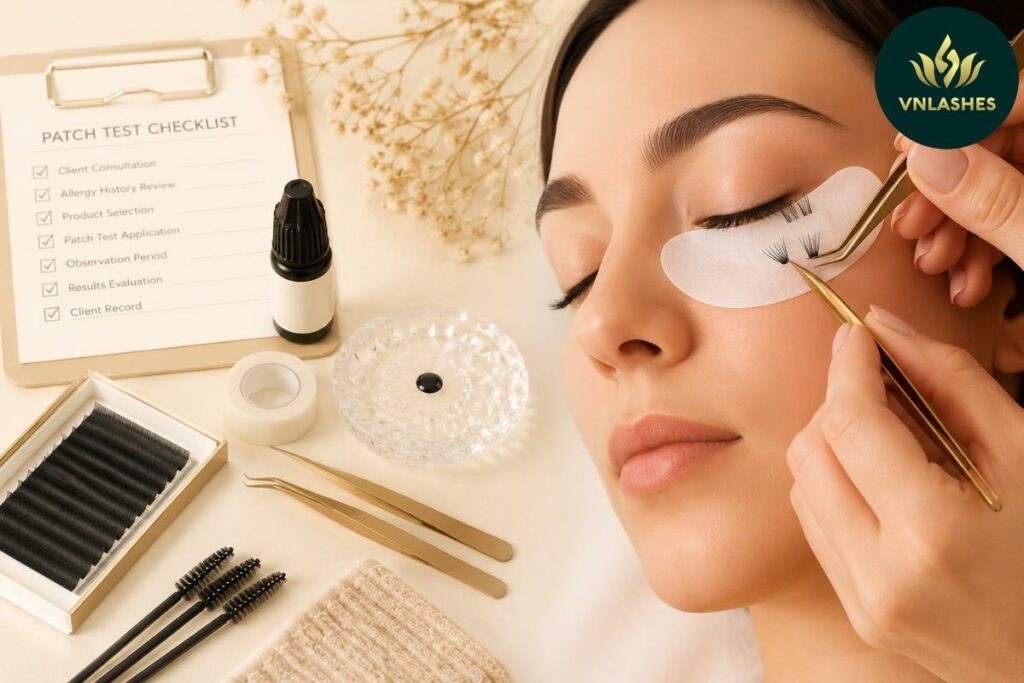
A lash patch test is a precautionary step performed before an eyelash extension appointment. It helps lash artists assess whether a client may be sensitive to lash adhesive or other products used during the service.
Although a lash patch test cannot guarantee that a reaction will never occur, it can help identify obvious sensitivity before a full set is applied. It also supports safer consultations, better client records and more professional salon procedures.
For lash artists, salons, training academies and lash businesses, understanding how to perform a lash patch test correctly is an important part of responsible client care.
What Is a Lash Patch Test?
A lash patch test is a small-scale compatibility check carried out before a complete eyelash extension application.
During the test, the technician usually applies a limited number of lash extensions using the same adhesive planned for the full appointment. The client then observes the area for redness, swelling, itching, burning or other discomfort.
A lash patch test is not the same as a medical allergy test. It can only provide a limited indication of how a client may respond to the selected products. A qualified healthcare professional is required to diagnose an allergy.
Why Is a Lash Patch Test Important?
It May Help Identify Product Sensitivity
Some clients may be sensitive to lash glue, eye pads, cleansers, primers or other products used during an extension service.
Possible symptoms include:
- Redness
- Itching
- Swollen eyelids
- Burning
- Watery eyes
- Skin discomfort
A lash patch test may help reveal an obvious reaction before the client is exposed to a larger amount of adhesive during a full application.
It Supports Better Client Consultation
The lash patch test appointment gives the technician an opportunity to ask about:
- Previous lash extension treatments
- Known cosmetic or adhesive allergies
- Sensitive skin or eyes
- Previous eyelid swelling
- Recent eye irritation
- Reactions to lash glue
- Current eye-area conditions
This information helps the lash artist decide whether the service can continue safely or should be postponed.
It Demonstrates Professional Responsibility
A clear lash patch test policy shows that a salon takes client safety seriously.
It also helps lash businesses maintain consistent procedures across different technicians, branches and training programs.
However, a negative lash patch test does not mean that the client has zero risk. Some reactions may be delayed, while others can develop after repeated exposure.
Who Should Have a Lash Patch Test?
A lash patch test may be especially useful for clients who have never worn eyelash extensions or who are trying a new adhesive formula.
First-Time Lash Extension Clients
First-time clients may not know whether their eyes or skin are sensitive to professional lash products.
A lash patch test provides an additional screening step before the full appointment.
Clients With Sensitive Skin or Eyes
Clients who often experience irritation from cosmetics, skincare products or adhesives may need additional care.
The lash artist should review their history before conducting the lash patch test.
Clients Trying a New Lash Adhesive
A client may have worn extensions successfully in the past but still react to a different glue formula.
For this reason, a new lash patch test may be considered when the salon changes adhesive.
Clients With Previous Reactions
Clients who have experienced redness, itching, swelling or discomfort after a previous appointment should not automatically receive another full set.
The lash patch test does not replace medical assessment, especially when the previous reaction was severe.
When Should a Lash Patch Test Be Performed?
A lash patch test should be completed before the full eyelash extension appointment.
The exact timing depends on:
- Adhesive manufacturer instructions
- Salon policy
- Insurance requirements
- Local professional regulations
- The client’s sensitivity history
Some reactions appear quickly, while others may take longer to develop. For this reason, a lash patch test should not be judged only a few minutes after application.
How to Perform a Lash Patch Test
Testing procedures can vary between salons and products. Lash artists should always follow the adhesive manufacturer’s instructions and applicable local standards.
Step 1: Complete a Client Consultation
Before performing the lash patch test, ask the client about:
- Known allergies
- Previous lash services
- Sensitive eyes
- Skin sensitivity
- Past reactions to adhesives
- Current eye infections or irritation
The consultation details should be recorded clearly.
Step 2: Use the Same Products Planned for the Appointment
The lash patch test should use the same adhesive and lash materials intended for the full service.
Testing one formula and later using another may reduce the value of the result.
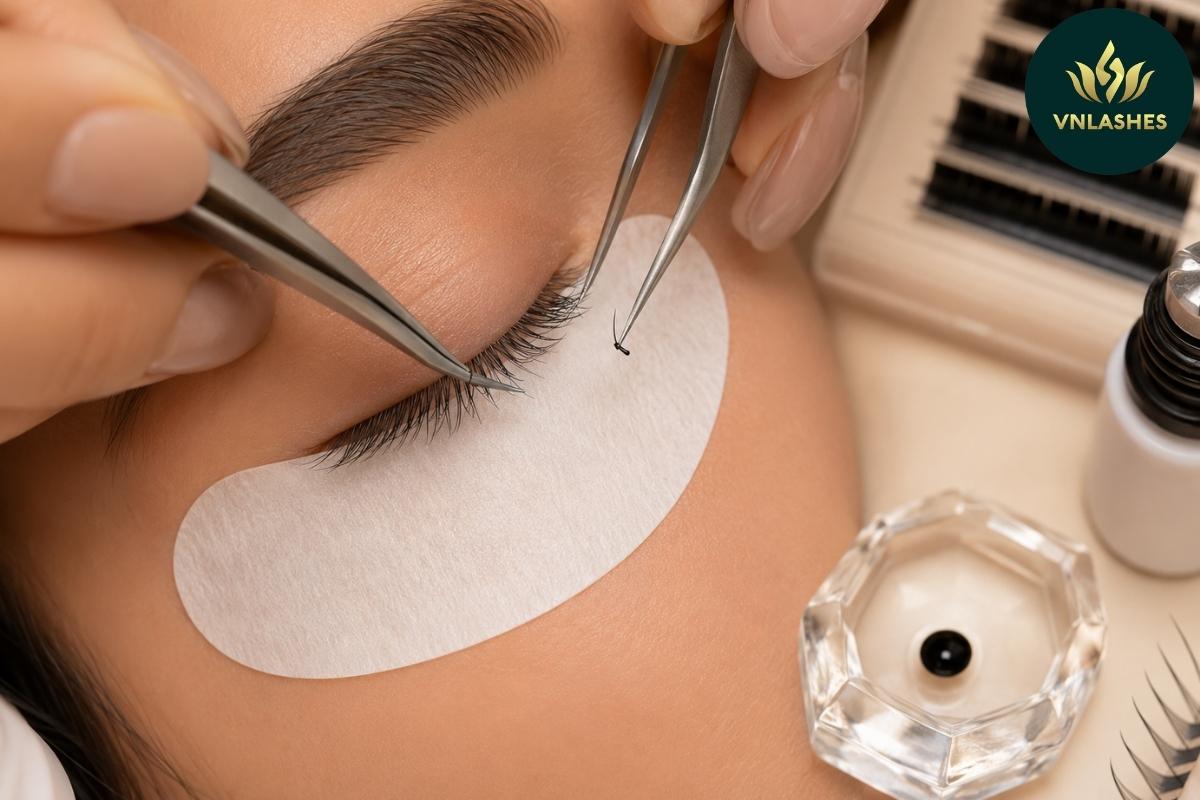
Step 3: Apply a Small Number of Extensions
A common professional method is to apply several lightweight classic lashes to suitable natural lashes near the outer corners.
The extensions should be applied using correct isolation and bonding techniques.
The adhesive must not be intentionally placed on the eyelid or skin.
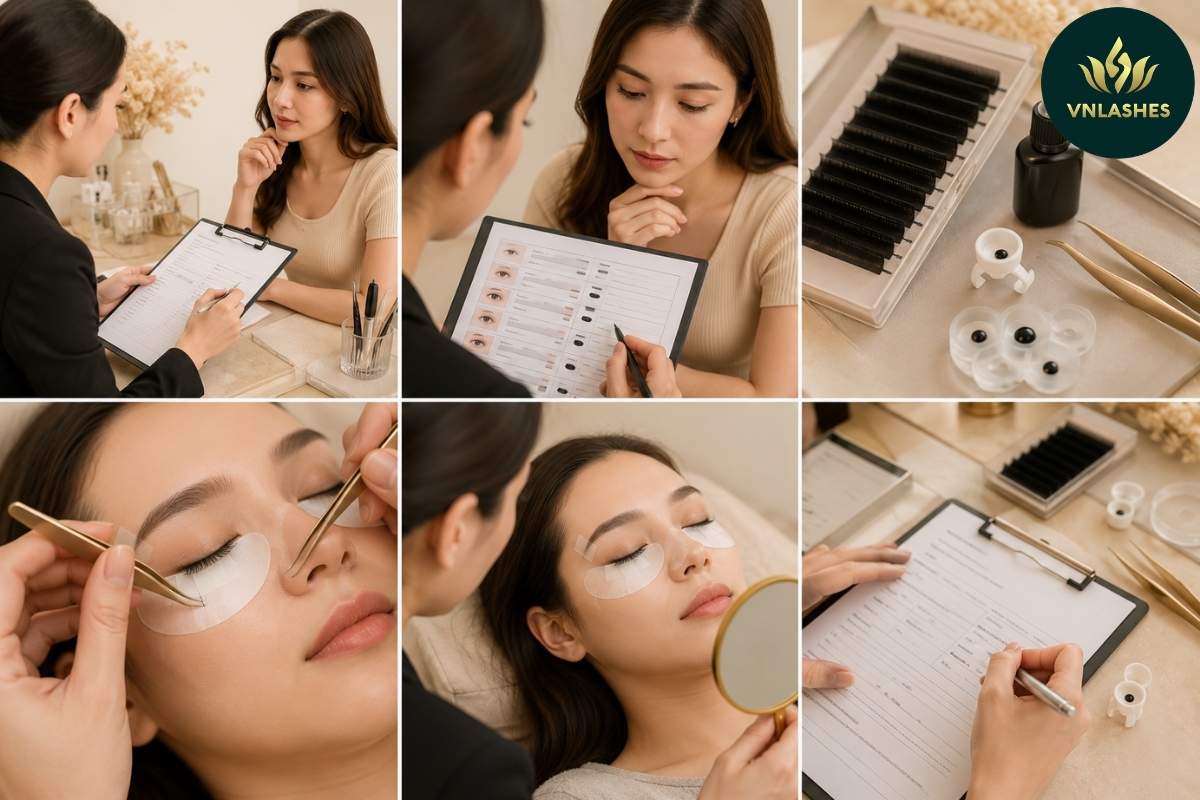
Step 4: Observe the Client During Application
The lash patch test should stop immediately if the client experiences:
- Strong burning
- Sudden pain
- Rapid swelling
- Breathing difficulty
- Severe watering
- Significant eye discomfort
Lash artists should not diagnose the condition or prescribe treatment.
Step 5: Allow an Appropriate Observation Period
Immediate irritation may appear during or shortly after the lash patch test, while allergic responses may be delayed.
The observation period should follow the product instructions, salon policy and relevant professional requirements.
A lack of immediate symptoms does not guarantee that the full appointment will be reaction-free.
Lash Patch Test Methods to Avoid or Use With Caution
Applying Lash Glue Directly to the Eyelid
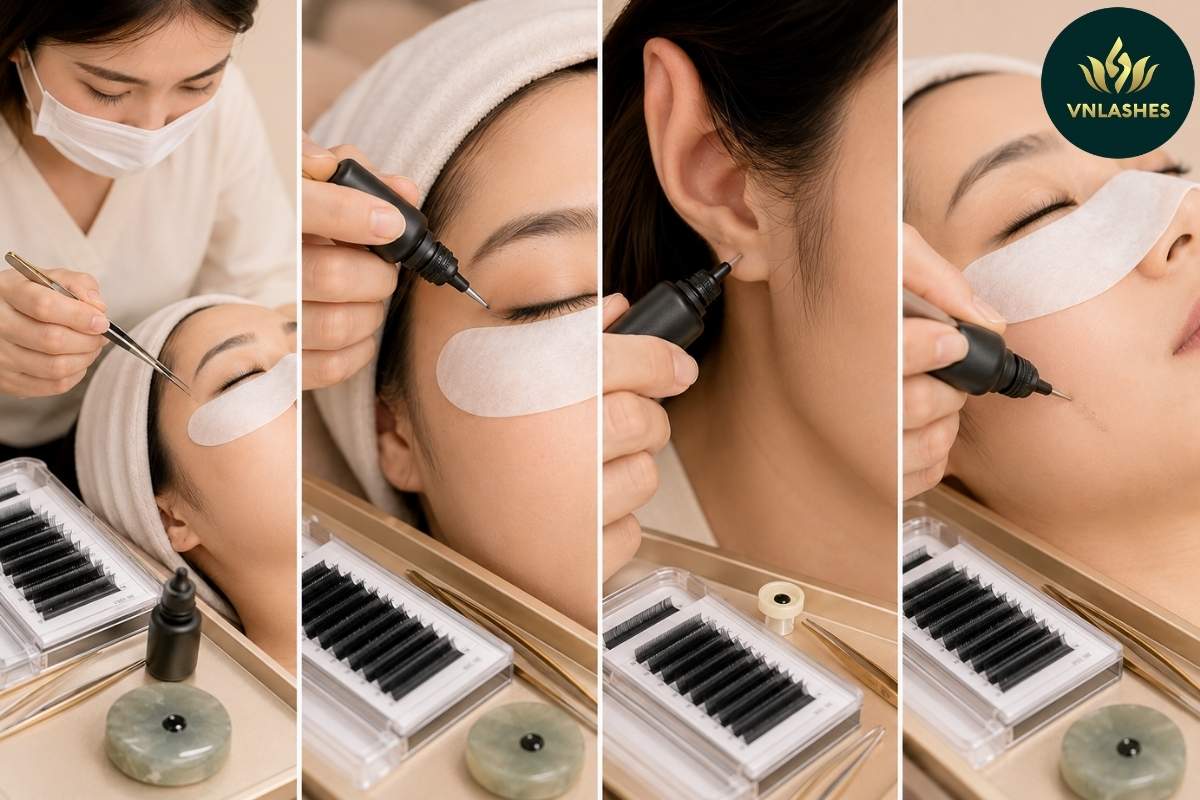
Professional lash adhesive should not be intentionally placed on eyelid skin.
Direct contact may increase the risk of irritation and does not represent correct eyelash extension application.
Applying Adhesive Behind the Ear
Some technicians place a small amount of glue behind the ear as a lash patch test.
However, the skin behind the ear is different from the delicate eye area, so the result may not accurately reflect how the client will respond during the lash service.
This method may also involve using the adhesive outside its intended application.
Applying Glue Directly to the Skin
Lash extension adhesive is designed to bond an extension to a natural lash, not to be spread directly onto the skin.
Any lash patch test method should follow the manufacturer’s written instructions.
Assuming a Negative Result Means Complete Safety
A small lash patch test uses less adhesive and covers a smaller area than a complete lash set.
The client may still experience irritation during a longer appointment or develop sensitivity after repeated exposure.
How to Interpret Lash Patch Test Results
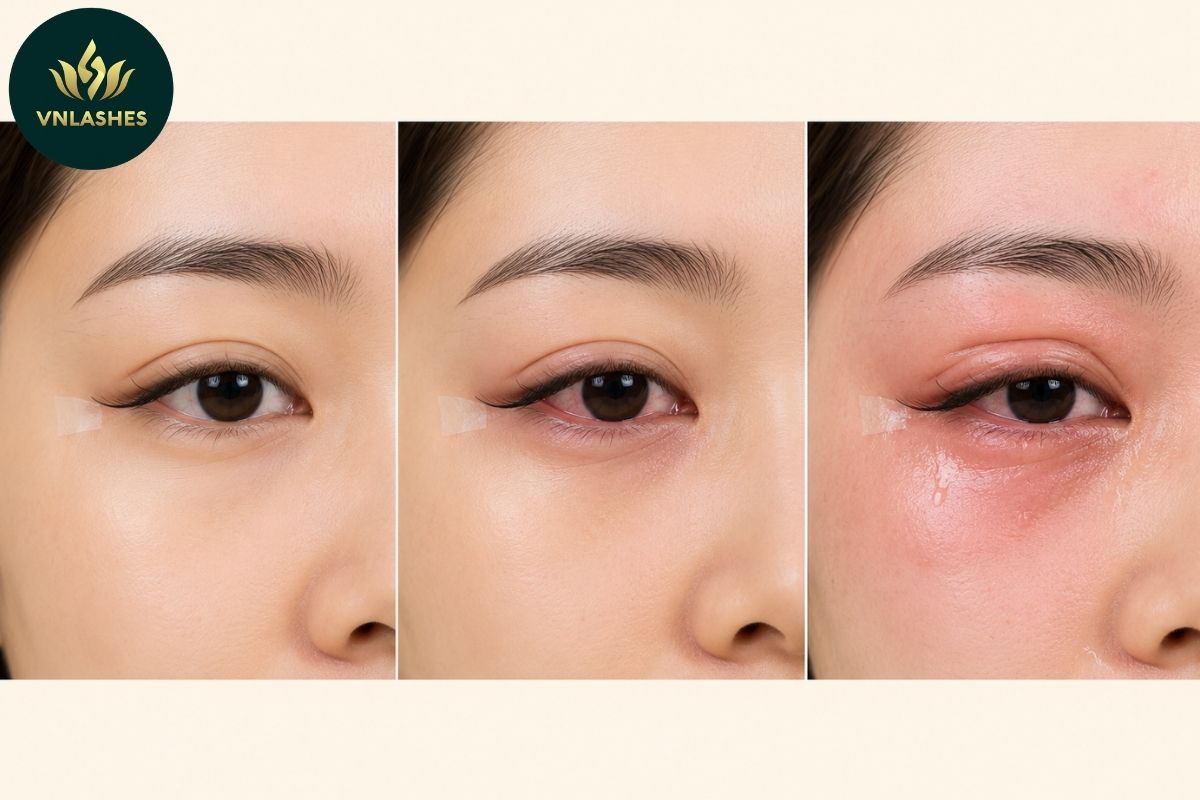
No Visible Reaction
If the client reports no redness, swelling, itching or discomfort during the agreed observation period, the salon may proceed according to its service policy.
The client should still be monitored during the full application.
Mild Irritation
If mild watering, itching, redness or discomfort occurs, the full appointment should be postponed.
The test lashes may need to be removed professionally, and the suspected product should not be reused until the situation has been reviewed.
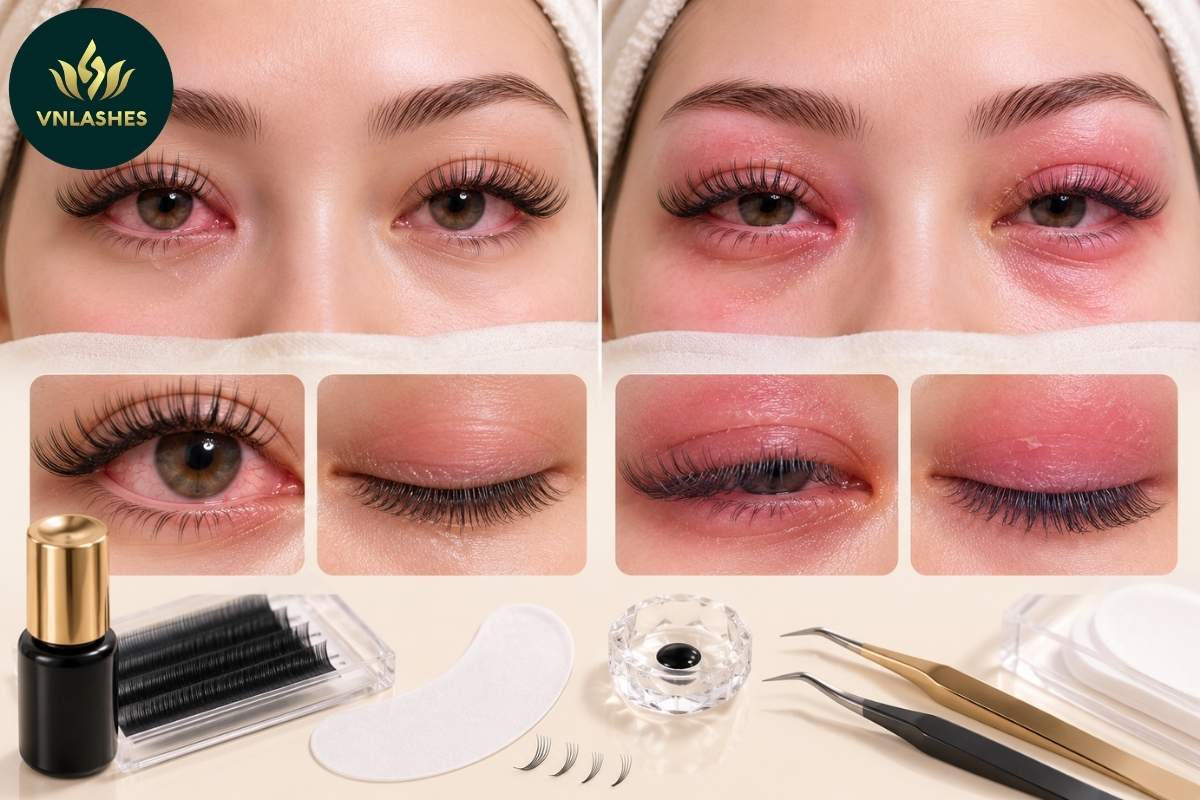
Severe or Worsening Reaction
The client may need prompt medical attention if symptoms include:
- Significant eyelid swelling
- Severe pain
- Vision changes
- Difficulty breathing
- Widespread redness
- Persistent inflammation
- Rapidly worsening symptoms
A lash artist should stop the service and avoid making a medical diagnosis.
Irritation and Allergy Are Not the Same
A lash patch test may reveal signs of discomfort, but it cannot confirm whether the cause is irritation or allergy.
Lash Irritation
Irritation may result from:
- Adhesive fumes
- Excessive glue
- Incorrect eye-pad placement
- Poor ventilation
- Accidental product contact
- Improper lash application
Symptoms may include burning, watering and redness during or shortly after the service.
Allergic Reaction
An allergic response involves the immune system and may develop after one or several exposures.
Possible signs include:
- Itching
- Swollen eyelids
- Inflamed skin
- Persistent redness
- Discomfort around the eyes
Only a qualified healthcare professional can confirm an allergy.
Best Practices for Lash Artists and Salons
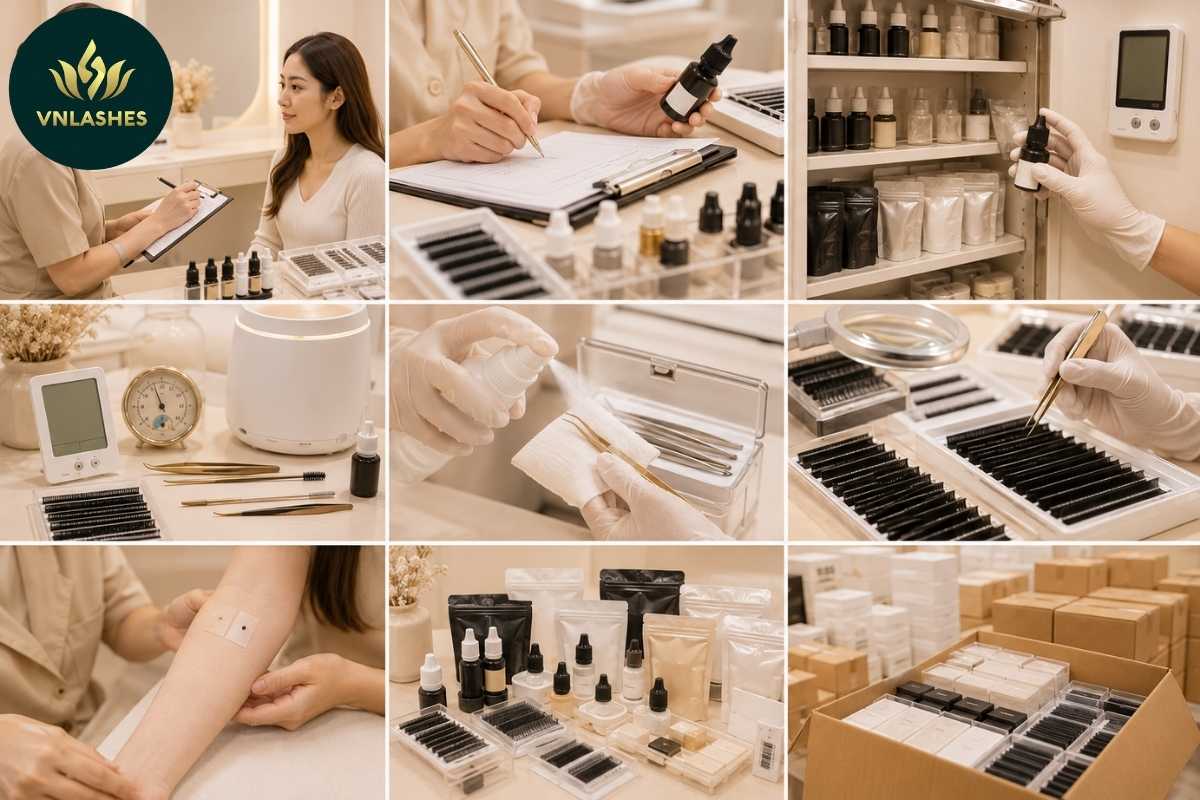
Follow Product Instructions
Every adhesive has specific requirements for storage, humidity, temperature, application and curing conditions.
Incorrect use may affect both retention and client comfort.
Keep Lash Patch Test Records
The salon should record:
- Test date
- Adhesive name
- Product batch number
- Test method
- Observation period
- Client response
- Technician name
Accurate records are especially useful for salons using several adhesives.
Avoid Skin Contact
Proper isolation, controlled adhesive use and precise placement help reduce unnecessary product exposure.
Maintain Professional Hygiene
Tools, surfaces and reusable equipment should be cleaned and disinfected according to professional standards.
Postpone Unsuitable Appointments
The service should not continue when the client has:
- An active eye infection
- Inflamed eyelids
- Broken skin
- Significant eye irritation
- Unexplained swelling
- A recent severe reaction
A lash patch test should not be used to justify continuing a service when clear contraindications are present.
The Role of Lash Manufacturers and Wholesalers
As an eyelash extension manufacturer and wholesale supplier, product responsibility involves more than producing attractive lash fibers.
Reliable manufacturers and wholesalers should provide:
- Consistent product specifications
- Clear product labels
- Accurate usage instructions
- Stable production quality
- Traceable batch information
- Suitable storage guidance
- Transparent product descriptions
- Reliable wholesale quality control
Manufacturers should also avoid claiming that a lash product is completely allergy-free.
Terms such as low-fume, gentle or sensitive formula do not mean that every client can use the product without irritation.
For salons, distributors and lash brands, consistent product quality helps support safer lash patch test procedures and more reliable professional services.
Frequently Asked Questions About Lash Patch Tests
Is a Lash Patch Test Completely Accurate?
No. A lash patch test is a precautionary screening method, not a medical diagnosis or safety guarantee.
Can a Client React After Passing a Lash Patch Test?
Yes. A full application uses more adhesive, covers a larger area and lasts longer than a small test.
Sensitivity may also develop after repeated appointments.
How Long Does a Lash Patch Test Take?
The application itself is usually brief, but the observation period depends on the product instructions, salon procedures and local requirements.
Some reactions may not appear immediately.
Can Lash Glue Be Applied Directly to the Skin?
Professional lash adhesive should only be used according to the manufacturer’s instructions.
It should not be intentionally applied to the eyelid.
Should Every New Client Have a Lash Patch Test?
This depends on salon policy, insurance conditions, product instructions and local regulations.
A lash patch test may be especially relevant for first-time clients, sensitive clients and clients trying a new adhesive.
Can a Client Develop an Allergy After Years of Wearing Extensions?
Yes. Sensitivity may develop after repeated exposure, even if previous appointments caused no problems.
Should a Lash Artist Treat an Allergic Reaction?
No. The lash artist should stop the service, prevent further exposure and recommend appropriate medical care when symptoms are serious or persistent.
Conclusion
A lash patch test is an important part of a professional eyelash extension consultation and safety process.
It may help identify possible sensitivity before a full application, but it cannot predict or prevent every reaction. The most responsible approach combines a lash patch test with careful consultation, correct application, reliable products, accurate records and clear client communication.
For lash manufacturers and wholesalers, consistent quality, traceable production and transparent product information are equally important. These standards support salons, distributors and lash professionals in providing safer and more consistent eyelash extension services.
This article is for general educational purposes and does not replace medical advice, product instructions, insurance requirements or local regulations.


Bài viết liên quan
Zero Time Promade Fan Lashes – Wholesale Manufacturer & OEM Services
For lash salons and professional eyelash brands, application efficiency and consistent quality are important factors...
Oct
Magic Fan And Zero Time Promade Fan – A Faster, Time-Saving Lash Extension Solution
In the professional lash extension industry, application speed and product consistency are important factors for...
Oct
Custom Magic Fans Manufacturing and OEM Services: Production Process
When sourcing Magic Fans in bulk, buyers need more than just an attractive lash tray....
Aug
Lash Extension Removal: Common Mistakes and Safe Techniques
Lash extension removal is an important part of professional lash care. When extensions are removed...
Jul
Lash Foam Cleansers: A Practical Guide for Lash Professionals
Lash foam cleansers are essential products for cleaning natural lashes, eyelids and eyelash extensions. They...
Jul
Lash Adhesive Remover: A Must-Have Product for Professional Lash Businesses
In the lash industry, a beautiful lash set is not only about application. Safe, clean,...
Jul