
 Deutsch
 Русский
 Español
 Français
No products in the cart.

Eyelash Knowledge & Education, Lash Adhesive & Retention
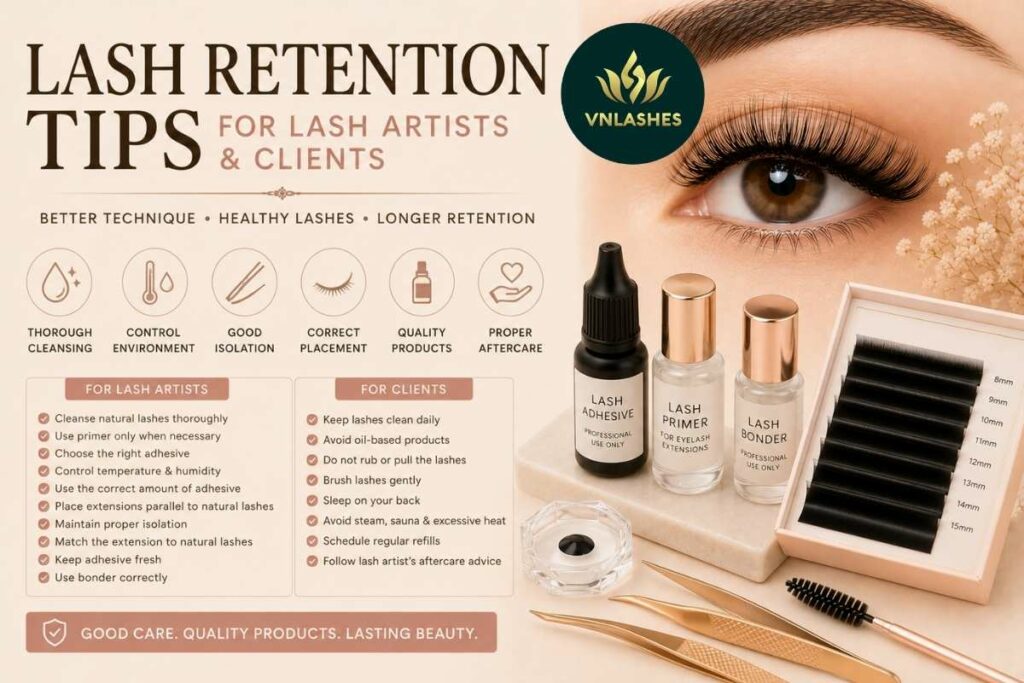
Lash Retention Tips for Lash Artists and Clients
11
Jul
Jul
Long-lasting eyelash extensions depend on more than lash adhesive alone. Preparation, application technique, room conditions, product quality, natural lash health, and aftercare all affect how well a lash set lasts.
These lash retention tips explain how lash artists and clients can reduce premature shedding, improve eyelash extension retention, and maintain a fuller lash set for longer.
What Is Lash Retention?
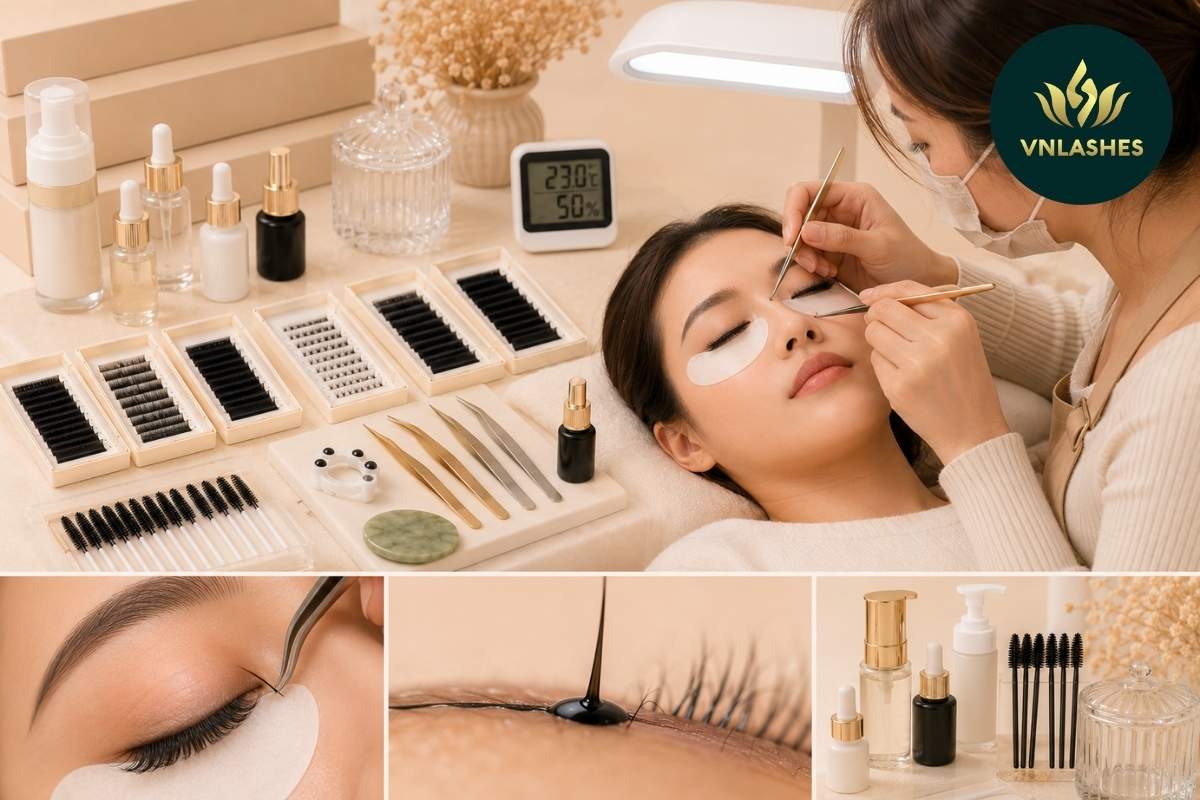
Lash retention refers to how long eyelash extensions remain attached before they shed with the natural lash cycle.
Gradual shedding is normal because natural lashes grow and fall at different times. However, poor lash retention may occur when many extensions fall out within the first few days.
Common causes include:
- Incomplete cleansing
- Unsuitable adhesive
- Incorrect placement
- Unstable temperature or humidity
- Heavy extensions
- Poor aftercare
- Low-quality lash products
Understanding these factors is the first step toward better lash retention.
Lash Retention Tips for Lash Artists
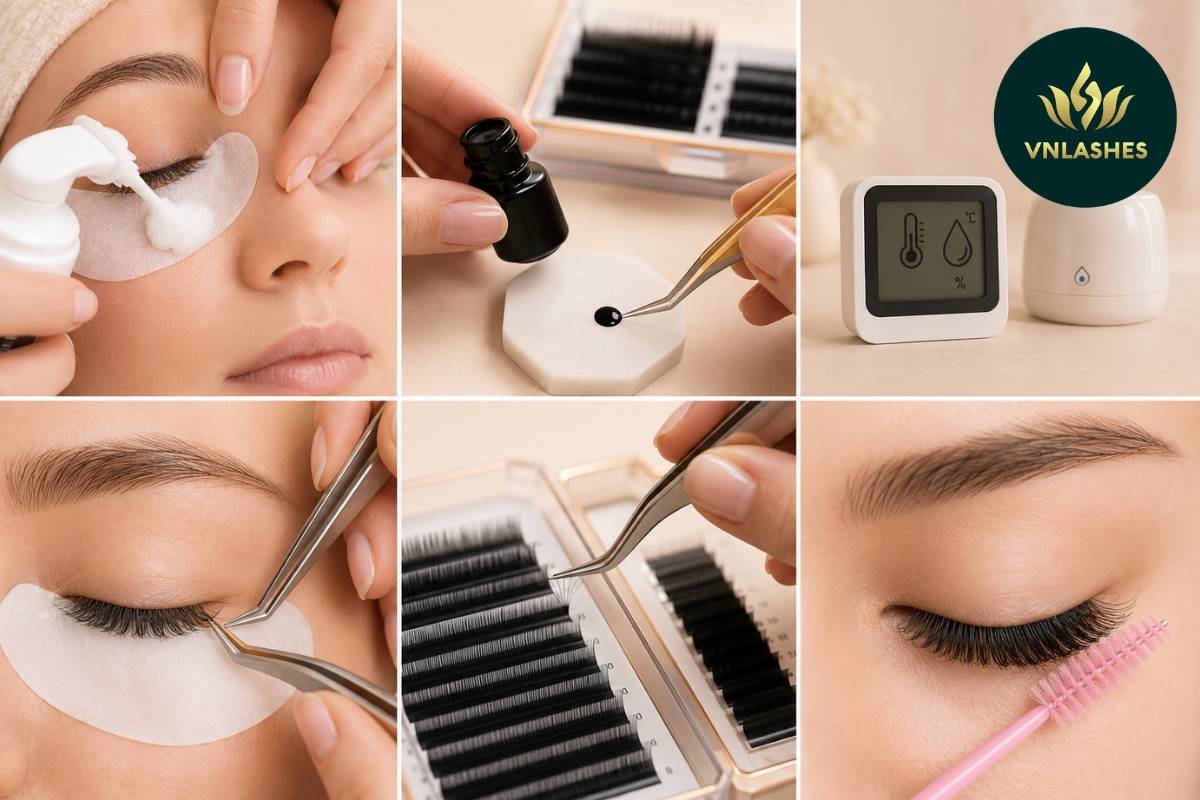
Clean the Natural Lashes Thoroughly
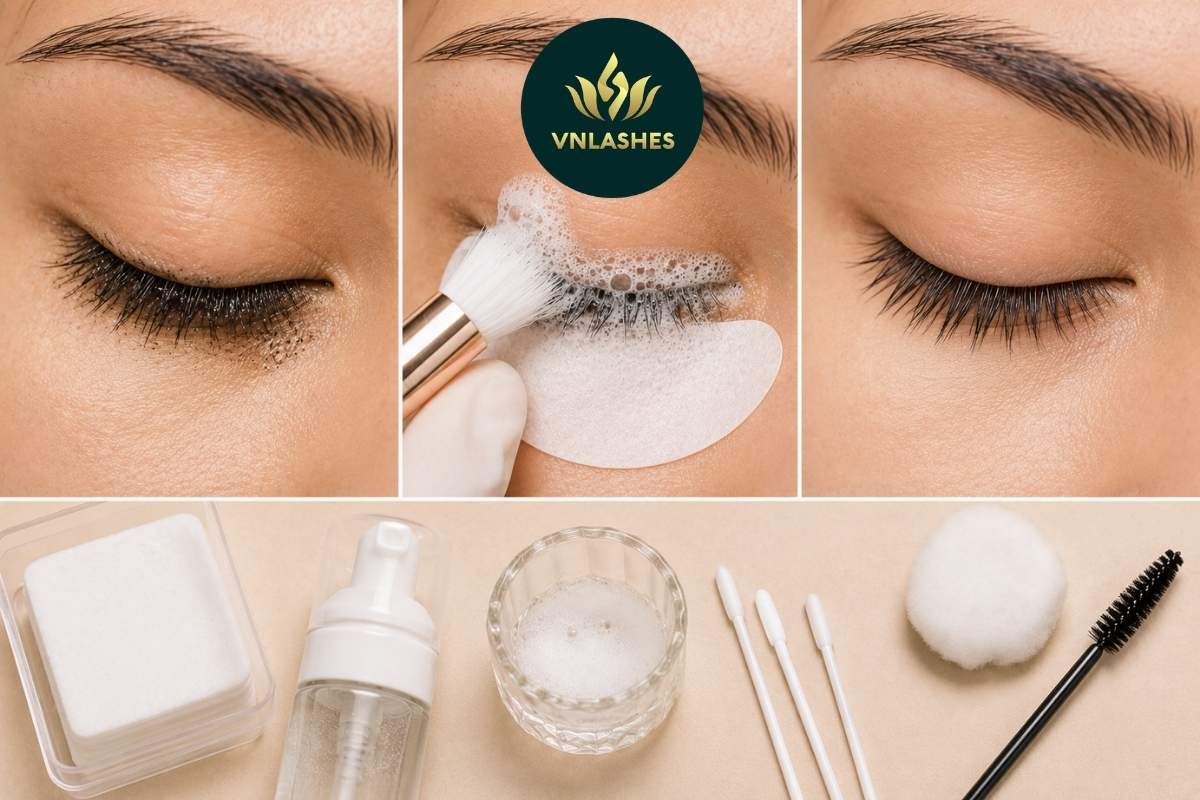
One of the most important lash retention tips is starting with a clean lash surface.
Oil, makeup, dust, dead skin, and skincare residue can weaken the adhesive bond. Even when a client arrives without visible makeup, the lash line should still be cleaned.
Before application:
- Remove eye makeup completely.
- Clean the lashes with a professional lash cleanser.
- Rinse away product residue.
- Dry the lashes fully.
Clean natural lashes help improve adhesive contact and support longer-lasting lash extensions.
Use Lash Primer Only When Necessary
Lash primer may improve lash retention for clients with oily skin or stubborn residue.
However, primer is not always required. Excessive use may leave the natural lashes too dry or change the way the adhesive performs.
The preparation process should match the condition of the client’s natural lashes, skin, and lash line.
Choose Adhesive Based on Working Speed
Correct adhesive selection is essential for good eyelash extension retention.
If the adhesive dries before the extension reaches the natural lash, the bond may be weak. If it dries too slowly, the extension may move, lean, or stick to nearby lashes.
Lash artists should consider:
- Application speed
- Room temperature
- Humidity
- Adhesive viscosity
- Lash technique
- Experience level
A suitable adhesive helps artists create a secure bond and more consistent lash retention.
Control Temperature and Humidity
Lash adhesive reacts to moisture in the air. Changes in humidity and temperature can affect curing speed and bond performance.
A hygrometer and thermometer help lash artists monitor salon conditions. If the environment changes, the adhesive choice or working speed may also need adjustment.
Stable salon conditions support predictable lash retention and more consistent application results.
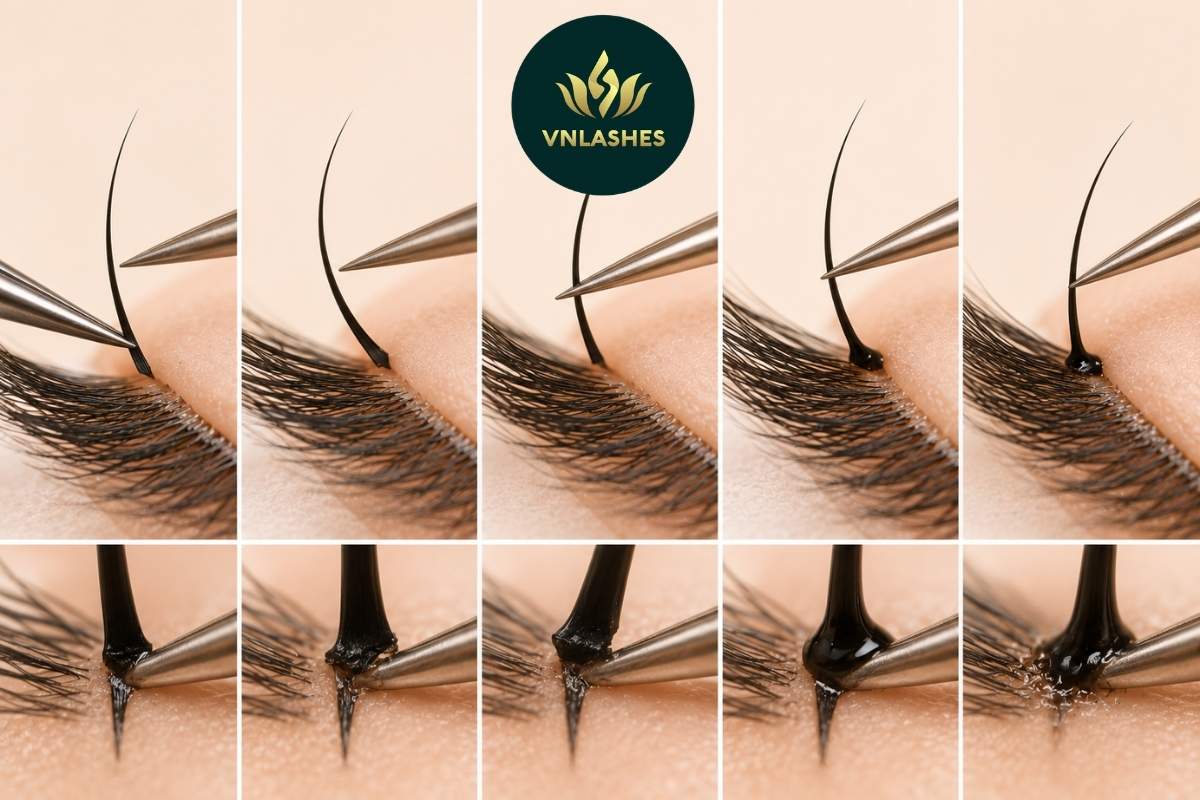
Use the Correct Amount of Adhesive
Too little adhesive may create a weak connection. Too much can form bulky bases, slow curing, and cause stickies.
The adhesive bead should be large enough to create a secure bond without visible excess.
The correct amount depends on:
- Extension type
- Fan base
- Natural lash diameter
- Application method
- Adhesive viscosity
Correct adhesive control is one of the key lash retention tips for professional lash artists.
Place Extensions Parallel to the Natural Lash
Proper placement helps maximize the contact area between the extension and the natural lash.
The base should be fully attached, while the extension should sit parallel to the natural lash. A lifted, twisted, or angled base reduces the bonding area and may cause early shedding.
Accurate placement supports better lash retention and a cleaner finished set.
Maintain Proper Isolation
Each natural lash should be completely isolated before applying an extension or premade fan.
Poor isolation may cause stickies, discomfort, twisting, and uneven shedding. Lash artists should check for stickies throughout the service rather than only at the end.
Good isolation protects natural lash health and improves overall lash retention.
Match the Extension to the Natural Lash
The length, curl, thickness, and weight of the extension should match the natural lash.
Heavy or excessively long extensions may twist, droop, or shed early. Highly curled extensions may also create a limited bonding area when applied to very straight natural lashes.
Artists should evaluate:
- Natural lash strength
- Growth direction
- Lash length
- Density
- Curl pattern
- Desired style
Selecting suitable extensions is essential for both comfort and long-lasting lash retention.
Check Premade Fan Quality
Premade fan construction can directly affect application and retention.
Clean, narrow, and symmetrical bases are easier to place than bulky or uneven bases. Fan weight, curl, and length should also remain consistent throughout the tray or package.
As an eyelash extension manufacturer and wholesaler, we focus on stable curls, lightweight Korean PBT fibers, clean fan bases, and consistent production quality. These features help lash artists maintain reliable application techniques and better lash retention.
Keep Adhesive Fresh
Opened adhesive gradually changes when exposed to air, moisture, and heat.
To maintain consistent lash retention:
- Clean the nozzle after use.
- Close the bottle immediately.
- Store the adhesive correctly.
- Replace it within the recommended period.
- Stop using glue that becomes thick or stringy.
Fresh adhesive does not replace good technique, but it helps reduce avoidable retention problems.
Use Bonder Correctly
A professional lash bonder may support curing and improve bond flexibility.
However, bonder should not be used to compensate for poor cleansing, unsuitable adhesive, weak placement, or incorrect isolation.
It works best as part of a complete lash retention system that includes preparation, application, and aftercare.
Lash Retention Tips for Clients
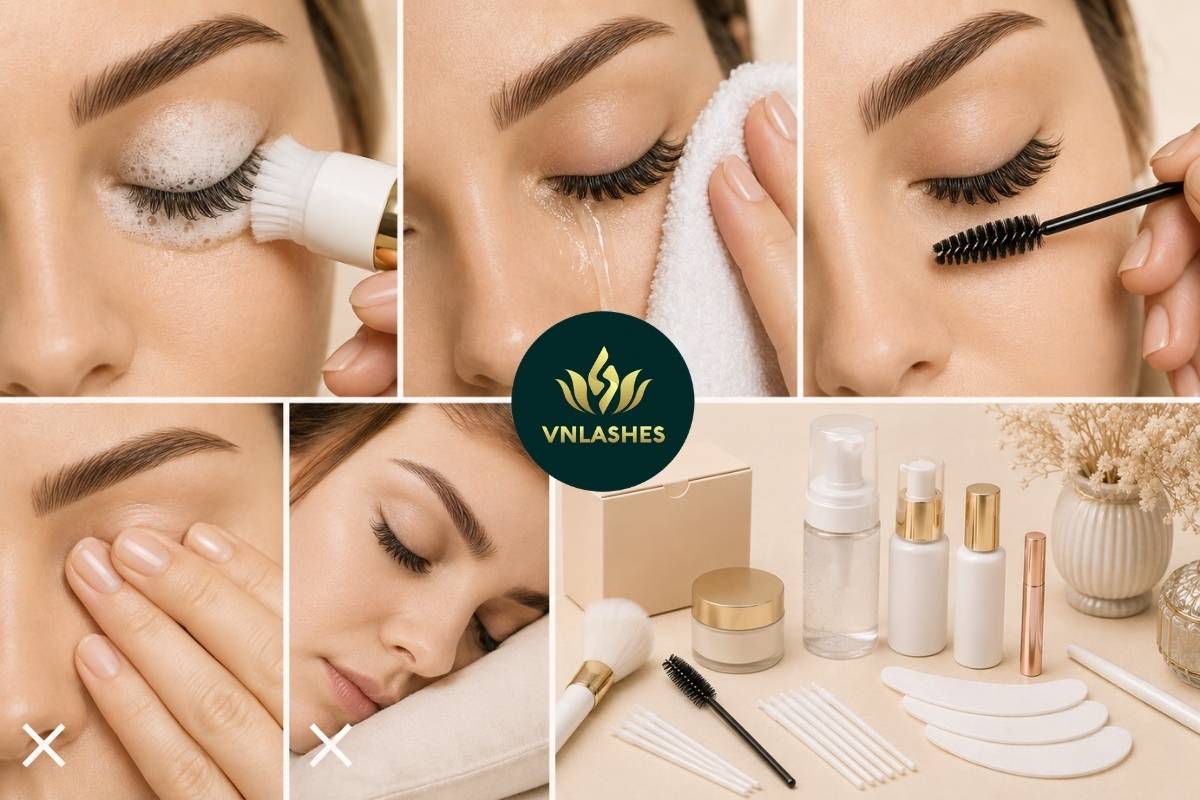
Clean Lash Extensions Regularly
Regular cleansing is one of the most effective lash retention tips for clients.
Oil, makeup, dust, and skincare products can build up around the lash line and affect extension durability.
Clients should:
- Use a cleanser formulated for eyelash extensions.
- Clean the lash line gently.
- Pat the area dry.
- Brush the lashes once fully dry.
Clean extensions generally maintain their appearance and retention better than lashes covered in residue.
Avoid Rubbing and Pulling
Rubbing the eyes, picking at the lash line, or pulling loose extensions can cause premature shedding.
Clients should handle the eye area gently when washing the face, removing makeup, or drying with a towel.
Reducing friction is important for maintaining good lash retention.
Review Skincare and Makeup Products
Heavy oils and products that leave a thick coating may affect the adhesive bond.
Clients should pay attention to:
- Eye creams
- Cleansing balms
- Makeup removers
- Waterproof cosmetics
- Heavy facial oils
Even products labelled oil-free may leave residue, so regular cleansing remains necessary for long-lasting lash retention.
Limit Repeated Heat and Steam Exposure
Repeated exposure to saunas, steam rooms, ovens, and very hot showers may affect lash curl and extension durability.
Occasional exposure may not immediately damage a well-applied set, but frequent heat can reduce lash retention, especially when the lash fiber quality is inconsistent.
Reduce Friction While Sleeping
Sleeping face-down or pressing the lashes into a pillow can cause faster shedding, especially around the outer corners.
Sleeping on the back may help. Side sleepers should avoid pressing the eye area directly into the pillow.
Less friction supports better eyelash extension retention.
Brush the Lashes Gently
A clean spoolie helps keep lash extensions separated and neat.
Clients should brush from the middle toward the tips rather than pressing directly against the adhesive bonds. Brushing should only be done when the lashes are clean and dry.
Gentle brushing helps maintain the shape of the lash set without reducing retention.
Attend Regular Infills
Natural lashes grow and shed continuously. Even with excellent lash retention, gaps will gradually appear.
Regular infills help replace extensions that have shed and remove extensions that have grown too far from the lash line.
The ideal infill schedule depends on:
- Natural lash cycle
- Daily habits
- Aftercare
- Desired fullness
- Application technique
Common Causes of Poor Lash Retention
Extensions Fall Without the Natural Lash
When an extension falls out without a natural lash attached, poor retention may be caused by:
- Incomplete cleansing
- Adhesive drying too quickly
- Too little adhesive
- Limited contact area
- Unstable humidity
- Old or poorly stored glue
These signs usually indicate an application or adhesive-related issue.
Extensions Shed With the Natural Lash
When the natural lash remains attached, the shedding may be part of the normal lash growth cycle.
Other factors may include:
- Seasonal shedding
- Stress
- Hormonal changes
- Medication
- Weak natural lashes
- Changes in general health
Lash artists should avoid making medical conclusions when unusual shedding occurs.
One Eye Loses More Extensions
Uneven lash retention may happen because the client:
- Sleeps on one side
- Touches one eye more often
- Applies skincare unevenly
- Has different lash growth patterns
Application consistency should also be reviewed when one eye repeatedly loses more extensions.
How Product Quality Affects Lash Retention
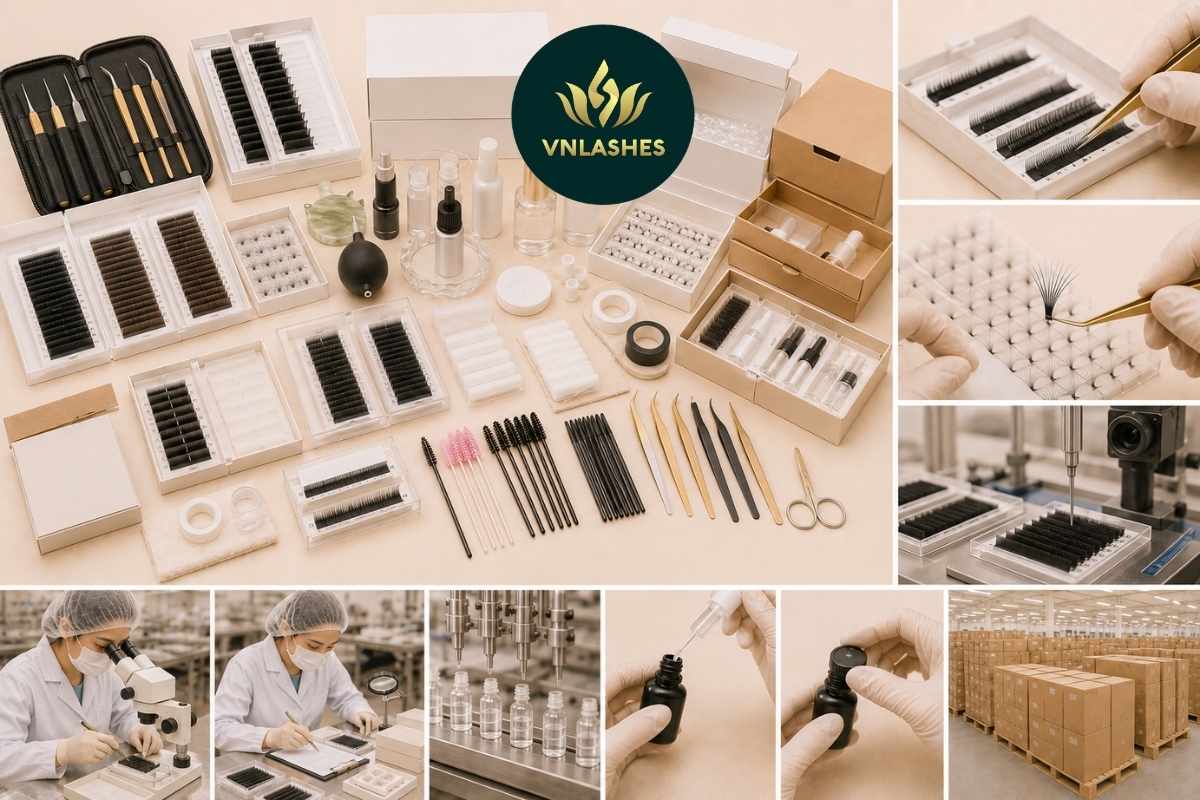
Application technique remains essential, but consistent product quality also supports better lash retention.
Important product factors include:
- Stable curls
- Uniform thickness
- Accurate lengths
- Lightweight fibers
- Clean fan bases
- Easy strip removal
- Consistent packaging
- Reliable production batches
For lash brands, salons, distributors, and wholesalers, consistent manufacturing quality can reduce variation between orders.
Stable lash products make it easier for lash artists to maintain familiar techniques and achieve more predictable retention results.
Lash Retention Checklist for Lash Artists
Before Application
- Examine the natural lashes.
- Clean and dry the lash line.
- Check temperature and humidity.
- Select suitable adhesive.
- Choose appropriate extensions.
During Application
- Maintain full isolation.
- Control the adhesive amount.
- Attach the complete base.
- Keep extensions parallel.
- Check regularly for stickies.
After Application
- Inspect the lash line.
- Apply bonder when appropriate.
- Explain aftercare clearly.
- Record adhesive and room conditions.
- Review retention at the next appointment.
Frequently Asked Questions About Lash Retention
How long should eyelash extensions last?
Eyelash extensions should shed gradually with the natural lash cycle. Regular infills are needed because natural lashes do not all shed at the same time.
Why do lash extensions fall out after two days?
Possible causes include poor cleansing, unsuitable adhesive speed, weak placement, excessive rubbing, unstable humidity, or heavy skincare products near the lash line.
Does washing eyelash extensions improve retention?
Yes. Gentle and regular cleansing removes oil, makeup, dust, and residue that may weaken the adhesive bond.
Can oily skin cause poor lash retention?
Oily skin may contribute to retention problems when oil builds up around the lash line. Proper preparation and regular cleansing can help.
Do heavy extensions fall out faster?
They can. Extensions that are too thick, long, or heavy may twist, droop, or shed earlier than lightweight extensions.
Can premade fans provide good lash retention?
Yes. Premade fans can provide reliable retention when they have clean bases, suitable weight, consistent construction, and correct placement.
Final Thoughts
The most effective lash retention tips combine careful preparation, suitable adhesive, stable salon conditions, precise placement, consistent lash products, and proper aftercare.
Lash artists should review the full application process instead of blaming a single product. Clients should keep their extensions clean, avoid unnecessary friction, and follow professional aftercare instructions.
For wholesalers and lash brands, stable curls, lightweight fibers, clean bases, and consistent manufacturing quality help support efficient application and long-lasting lash sets.


Bài viết liên quan
Zero Time Promade Fan Lashes – Wholesale Manufacturer & OEM Services
For lash salons and professional eyelash brands, application efficiency and consistent quality are important factors...
Oct
Magic Fan And Zero Time Promade Fan – A Faster, Time-Saving Lash Extension Solution
In the professional lash extension industry, application speed and product consistency are important factors for...
Oct
Custom Magic Fans Manufacturing and OEM Services: Production Process
When sourcing Magic Fans in bulk, buyers need more than just an attractive lash tray....
Aug
Lash Extension Removal: Common Mistakes and Safe Techniques
Lash extension removal is an important part of professional lash care. When extensions are removed...
Jul
Lash Foam Cleansers: A Practical Guide for Lash Professionals
Lash foam cleansers are essential products for cleaning natural lashes, eyelids and eyelash extensions. They...
Jul
Lash Adhesive Remover: A Must-Have Product for Professional Lash Businesses
In the lash industry, a beautiful lash set is not only about application. Safe, clean,...
Jul