
 Deutsch
 Русский
 Español
 Français
No products in the cart.

Lash Trends & Lash Styles, Lash Style Trends
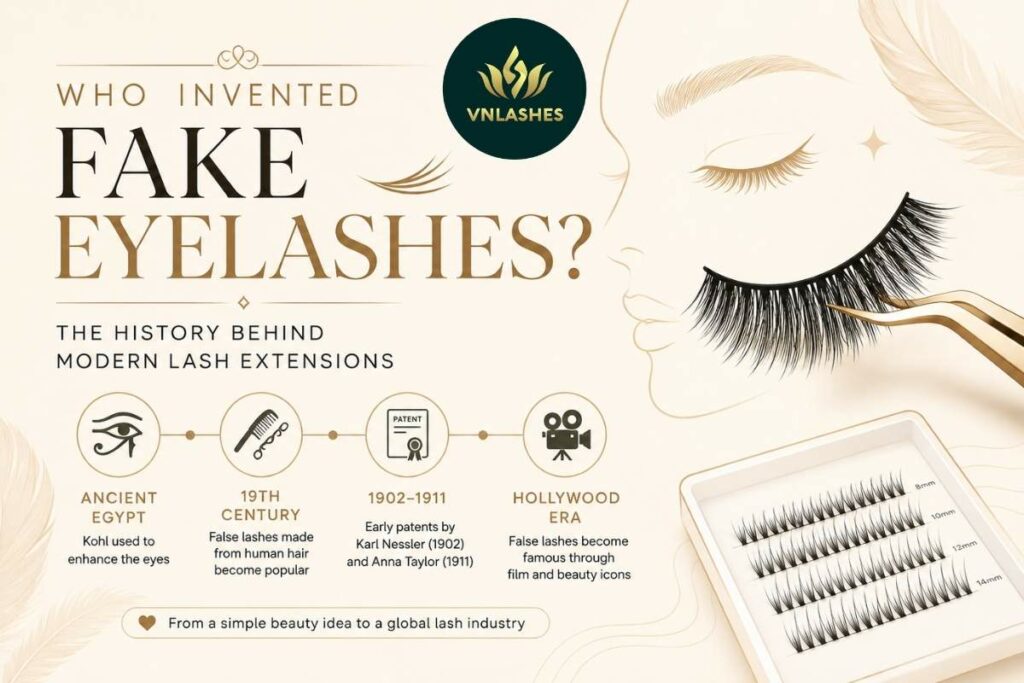
Who Invented Fake Eyelashes? The History Behind Modern Lash Extensions
09
Jul
Jul
False lashes have become an essential beauty product for lash artists, salons, makeup lovers, and beauty brands around the world. Today, they come in many styles, from natural classic trays to volume fans, premade fans, Magic Fan lashes, and private label collections.
But before they became a global beauty trend, artificial lashes had a long and interesting history. So, who invented fake eyelashes, and how did they develop into the lash extensions we know today?
As a wholesale lash manufacturer, understanding who invented fake eyelashes is not only interesting but also useful for lash brands and salon owners. It helps explain how a small beauty idea became a global product category with strong demand in both retail and wholesale markets.
The Early History of Eyelash Enhancement
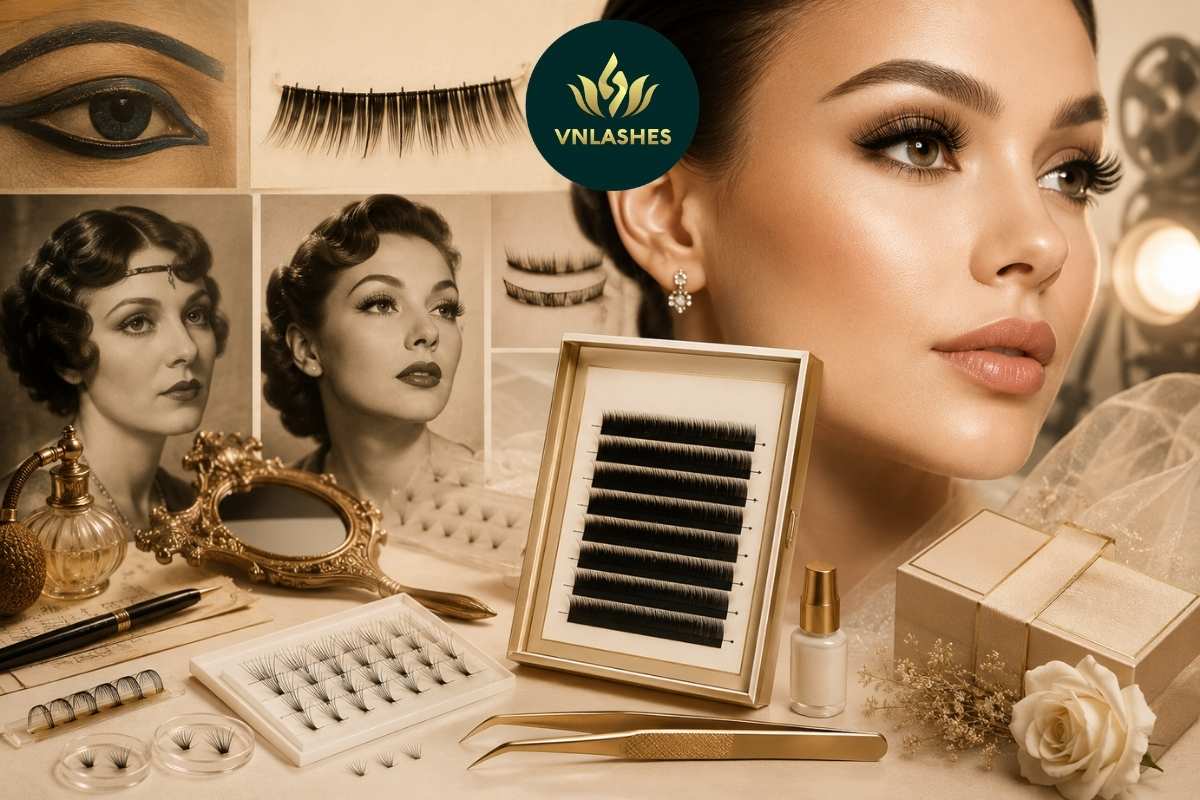
Long before professional lash extensions existed, people already wanted their eyes to look deeper, darker, and more attractive. Eyelash enhancement has been part of beauty culture for thousands of years.
Ancient Beauty Practices
In ancient Egypt, people used kohl to darken the eye area and make the lashes appear more defined. Kohl was often made from minerals and natural ingredients. It was not the same as today’s false lashes, but it shows that enhancing the eyes has always been important in beauty culture.
In ancient Rome, dark materials such as soot and charcoal were also used to make lashes look darker and thicker. During these early periods, the goal was not to attach artificial lashes, but to create the appearance of stronger, more noticeable eyelashes.
The 19th Century: The Rise of False Lashes
By the 19th century, beauty trends in Europe became more detailed and fashionable. In cities like London and Paris, false lashes made from human hair became more popular among women who wanted a more elegant and luxurious look.
Some early methods were uncomfortable and very different from modern beauty standards. However, they played an important role in the development of artificial eyelashes. These early styles helped create the foundation for the lash products used today.
Who Invented Fake Eyelashes?
The answer to who invented fake eyelashes depends on which stage of invention we are talking about. Eyelash enhancement existed for centuries, but modern artificial lashes started to become more clearly developed in the early 20th century.
Karl Nessler and the First Artificial Eyelash Patent
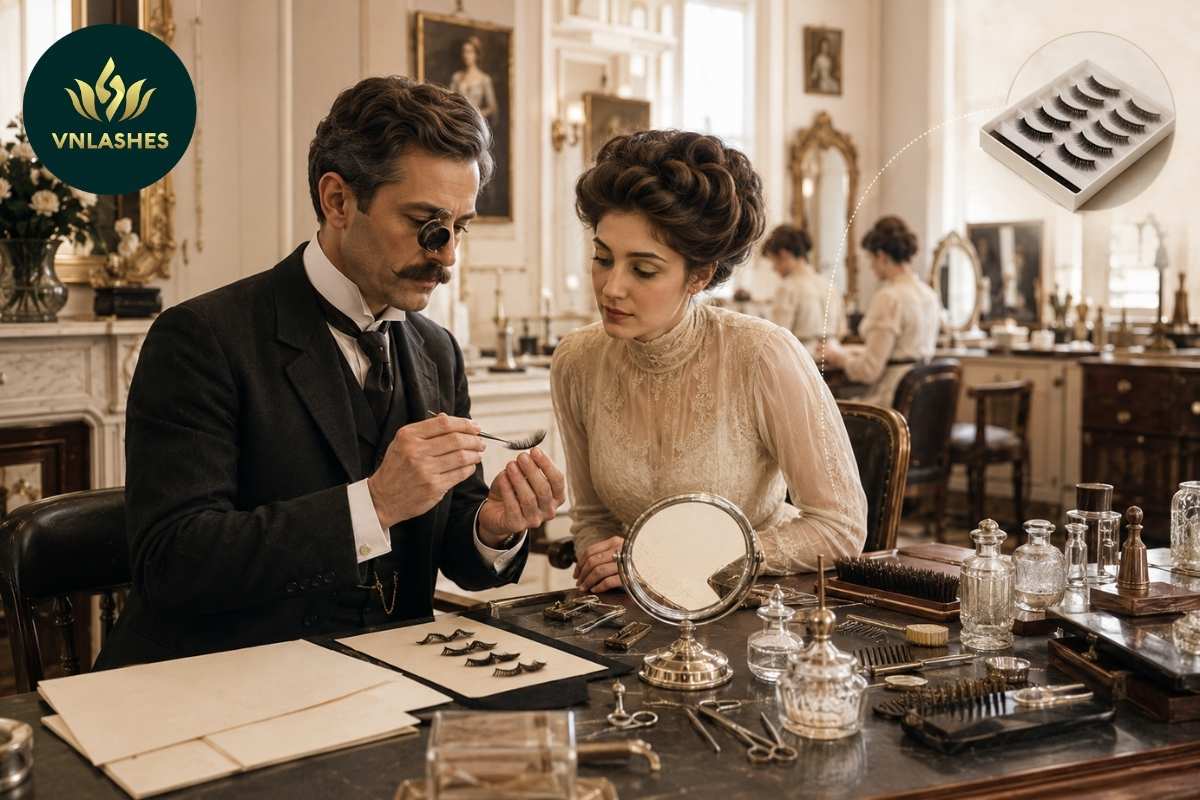
Karl Nessler, also known as Charles Nessler, was a German-born hair specialist and inventor. In 1902, he patented a method in the United Kingdom for making artificial eyebrows, eyelashes, and similar products.
This is one of the earliest official records connected to artificial eyelashes. By 1903, Nessler was selling artificial lashes in his salon in London. His work helped bring lash products closer to the beauty market as a real cosmetic item.
When people ask who invented fake eyelashes, Karl Nessler is often mentioned because of his early patent and commercial work in artificial lash products.
Anna Taylor and the U.S. False Eyelash Patent
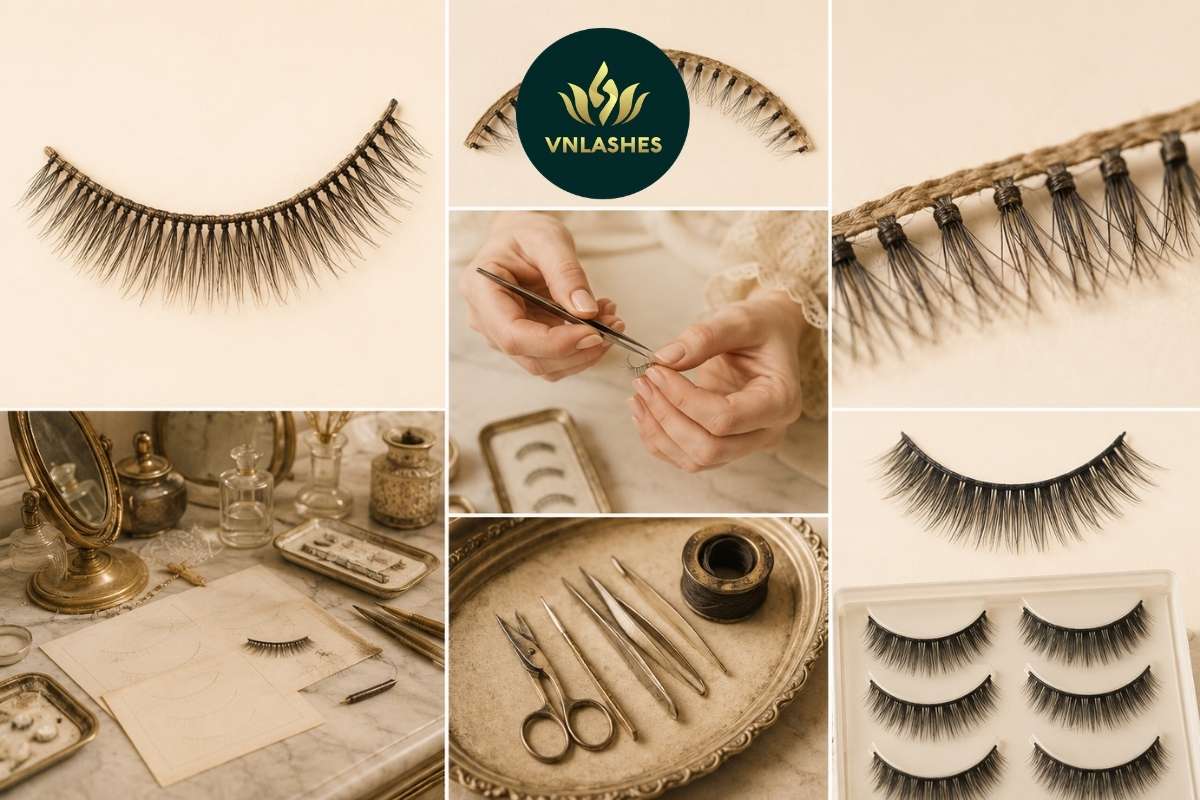
Another important name in lash history is Anna Taylor, a Canadian inventor. In 1911, she received a United States patent for artificial eyelashes.
Her design included a crescent-shaped strip with small pieces of hair attached to it. This design was closer to the strip lashes many people recognize today. Because of this, Anna Taylor is also an important answer to the question, who invented fake eyelashes?
Max Factor and Hollywood Beauty
Max Factor also played a major role in making false lashes popular. As a beauty expert working closely with the film industry, Max Factor helped develop makeup products that made actresses look more glamorous on camera.
Artificial lashes became especially useful in movies because they made the eyes look bigger, more expressive, and more dramatic under strong studio lighting. From there, they gradually moved from film sets into everyday beauty routines.
How Hollywood Made False Lashes Popular
Although artificial eyelashes were invented earlier, Hollywood made them famous.
False Lashes in Film
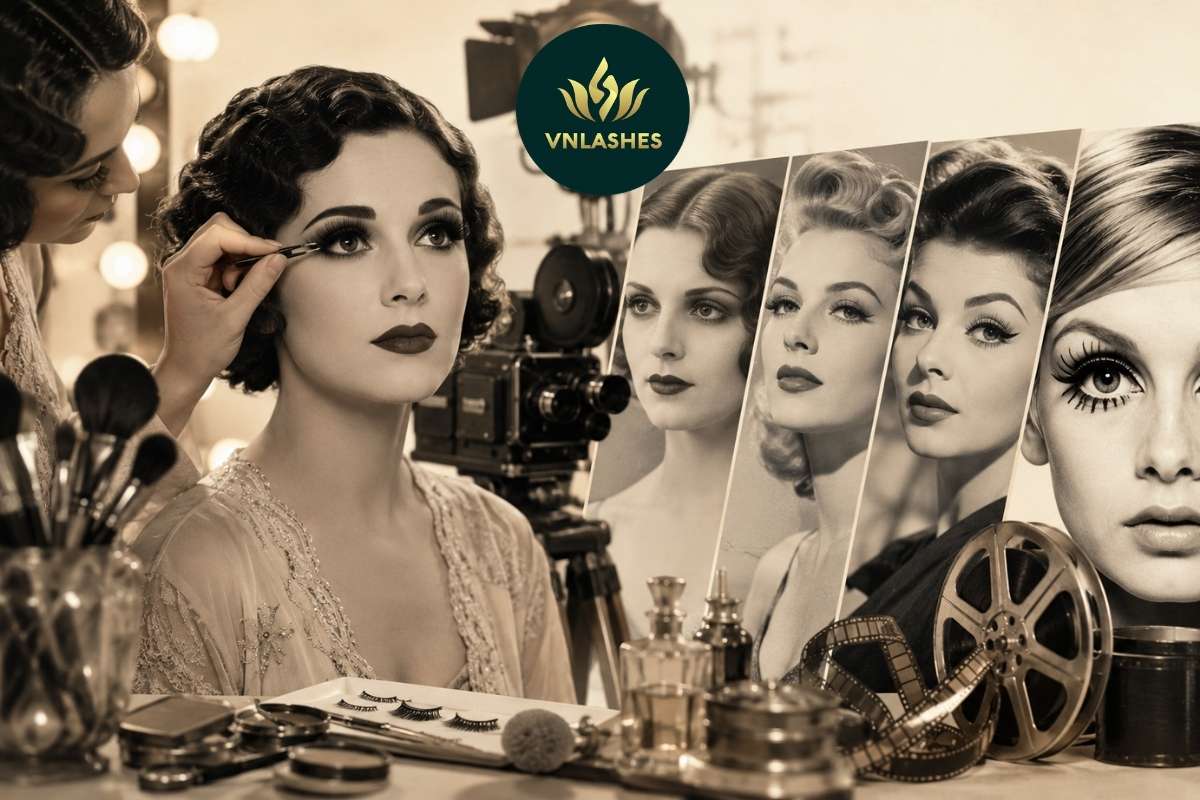
In the early 20th century, silent films relied heavily on facial expression. Because actors could not use spoken dialogue, their eyes had to show emotion clearly. False lashes helped actresses create a more dramatic and memorable appearance on screen.
One famous example is actress Seena Owen in the 1916 film Intolerance. Her bold lashes helped create a striking look that influenced beauty trends at the time.
Beauty Icons and Lash Trends
Throughout the 20th century, many beauty icons helped make artificial lashes more desirable. Stars such as Marilyn Monroe, Audrey Hepburn, and Elizabeth Taylor were often associated with glamorous eyes and defined lashes.
By the 1960s, dramatic eye makeup and doll-like lashes became a major trend. Thick, bold lash styles were no longer only for movie stars. They became a fashion statement for women who wanted a more expressive and stylish look.
From False Lashes to Modern Lash Extensions
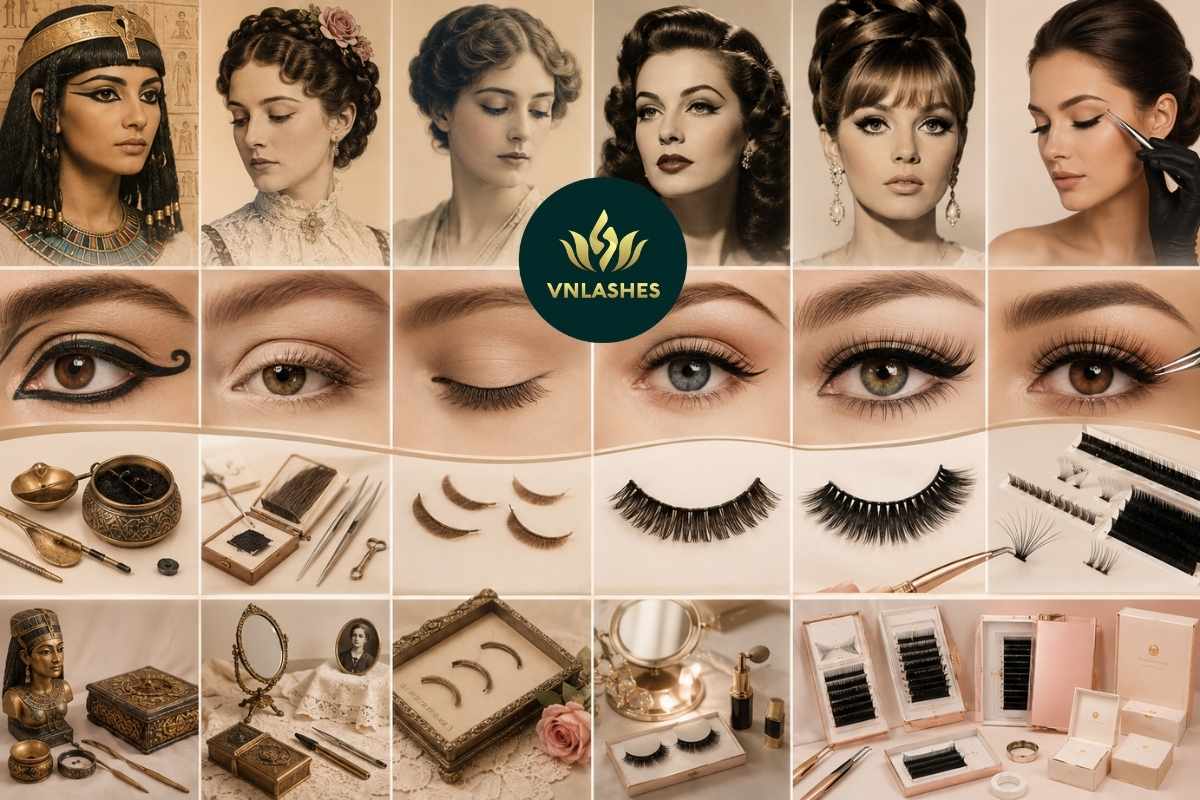
To fully understand who invented fake eyelashes, it is also important to look at how they changed over time. Modern lash extensions are very different from early artificial eyelashes. Today, lash products are designed to be lighter, softer, more comfortable, and more customizable.
Better Materials for Lash Products
In the past, false lashes were often made from human hair or natural fibers. Today, many professional products are made from high-quality synthetic fibers such as PBT.
As a lash manufacturer and wholesale supplier, we often produce lashes using synthetic materials because they allow better control over curl, thickness, length, softness, and consistency. This is especially important for lash brands, salons, and distributors who need stable quality in every batch.
Faux Mink Lashes
Faux mink lashes are designed to create a soft, natural, and fluffy look. They are lightweight and suitable for many styles, from natural sets to volume looks.
Silk Lashes
Silk lashes usually have a slightly glossier finish and a more defined appearance. They are often chosen by lash artists who want a clean, noticeable lash effect.
Matte Black Lashes
Matte black lashes are popular for clients who prefer a deeper but softer finish. They create a modern, elegant look without appearing too shiny.
Modern Lash Technology and Product Development
The lash industry continues to grow because of improved materials, better production techniques, and more detailed product design. From the early question of who invented fake eyelashes to today’s advanced production, the industry has become much more professional and diverse.
Lash Trays
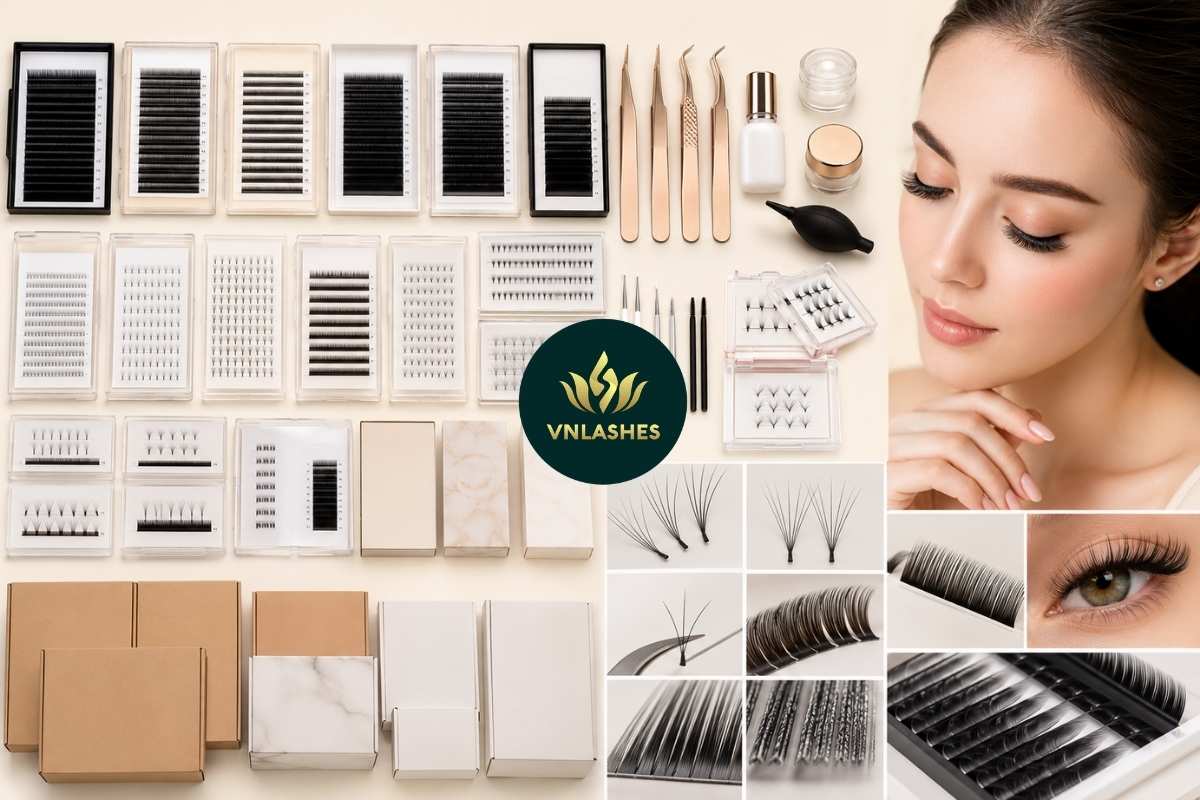
Lash trays allow artists to pick individual fibers from organized lines. They are available in different curls, thicknesses, and lengths. This makes them suitable for classic, hybrid, and volume services.
For wholesale buyers, lash trays are one of the most important product categories because they are easy to customize, package, and sell under a private label brand.
Premade Fans
Premade fans are created to help lash artists save time during volume sets. Instead of making each fan by hand during the appointment, artists can pick up ready-made fans and apply them directly.
For salon owners, premade fans can improve service speed and help maintain a more consistent result. For lash businesses, they are also a strong product option for wholesale and private label collections.
Magic Fan Lashes
Magic Fan lashes are designed to make fan creation easier. When picked up correctly, the fibers spread into a fan shape more quickly. This type of product is popular among artists who want more control than premade fans but still want to save time.
From a manufacturing point of view, Magic Fan lashes require stable fiber arrangement, clean bases, and consistent curl control to support smooth application.
Laser Lashes
Laser lashes are created with small textured areas near the base. These tiny surface details are designed to help adhesive grip better, supporting better retention when applied correctly by a trained professional.
This shows how far the industry has developed since the early invention of artificial lashes. Today, lash products are not only about appearance but also about performance, comfort, and application efficiency.
Why False Lashes Are Still Popular Today
False lashes remain popular because they meet different beauty needs. Some clients want soft and natural results, while others prefer full, dramatic volume. Modern eyelash products make it possible to create many styles for different eye shapes and markets.
They Save Time in Beauty Routines
Many clients choose lash extensions because they reduce the need for daily mascara or strip lash application. This makes them practical for people with busy lifestyles.
They Offer Customizable Beauty
Professional extensions can be customized by curl, length, thickness, diameter, fan size, and style. Artists can design natural, wispy, cat eye, doll eye, wet look, or volume sets based on each client’s preference.
They Support the Growth of Lash Businesses
For salons, beauty brands, and distributors, eyelash products are more than a beauty item. They are part of a growing business market. With the right manufacturer, brands can create private label lash trays, premade fans, and customized packaging for their own customers.
The Role of Lash Manufacturers in Today’s Market
The history of who invented fake eyelashes shows how one beauty idea developed into a global industry. Today, lash manufacturers play an important role in product quality, brand development, and wholesale supply.
Stable Production Quality
For wholesale buyers, consistency is very important. Every tray should have stable curl, clean lines, soft fibers, and accurate specifications. A reliable manufacturer helps lash brands reduce product issues and build customer trust.
OEM and Private Label Options
Many brands now want their own packaging, logo, and product style. OEM and private label services allow businesses to create customized lash collections without building their own factory.
This is especially useful for new lash brands, salon chains, beauty distributors, and online sellers who want to grow with their own product identity.
Custom Lash Specifications
Different markets prefer different styles. Some customers want natural classic trays, while others prefer volume fans, narrow fans, wispy designs, or mega volume effects. A professional factory can support different curls, lengths, thicknesses, materials, and packaging options.
FAQ About Who Invented Fake Eyelashes
Who invented fake eyelashes first?
Karl Nessler is one of the earliest inventors officially connected to artificial eyelashes because of his 1902 patent in the United Kingdom. Anna Taylor is also an important figure because she received a U.S. patent for artificial eyelashes in 1911.
Who invented false eyelashes in America?
Anna Taylor, a Canadian inventor, received a United States patent for artificial eyelashes in 1911. Her design included a crescent-shaped strip with small pieces of hair attached to it.
When did fake eyelashes become popular?
False lashes became more popular in the early 20th century, especially through Hollywood films. They became even more mainstream during the 1960s when bold eye makeup and doll-like lashes became fashionable.
What are modern fake eyelashes made of?
Many modern lash products are made from synthetic fibers such as PBT. This material helps manufacturers control curl, thickness, softness, length, and overall consistency.
Why are fake eyelashes important for lash businesses?
Fake eyelashes are important for lash businesses because they support many product lines, including lash trays, premade fans, Magic Fan lashes, laser lashes, and private label collections. They also help salons and brands offer different styles for different customer needs.
Conclusion
So, who invented fake eyelashes? While eye enhancement has existed since ancient times, Karl Nessler is one of the first people officially connected to artificial eyelash invention through his 1902 patent in the United Kingdom. Anna Taylor also played an important role with her 1911 U.S. patent for artificial eyelashes.
From ancient eye makeup to Hollywood glamour and modern lash extensions, false lashes have changed greatly over time. Today, they are softer, lighter, more comfortable, and more customizable than ever before.
For lash brands, salons, and wholesale buyers, eyelash products are not just a beauty trend. They are a product category with a long history, strong market demand, and many opportunities for brand growth.


Bài viết liên quan
Colorful Lash Extensions: A Creative Product for Lash Brands
Colorful lash extensions are becoming a popular choice for lash artists, salons, beauty retailers, and...
Jul
Neon Lash Extensions: A Bold Choice for Modern Lash Brands
Neon lash extensions bring vivid color, creative styling, and strong visual appeal to professional lash...
Jul
Brown Eyelash Extensions: A Natural Choice for Lash Brands
Brown eyelash extensions are becoming a popular alternative to traditional black lashes. Their softer tone...
Jul
Brown Lashes vs Black Lashes: Which Option Is Better?
Choosing between brown lashes vs black lashes depends on the desired style, customer profile, and...
Jul
Ombre Eyelashes: Colorful Lash Extensions for Modern Lash Brands
Ombre eyelashes are a stylish lash extension choice designed with a soft color gradient. Usually,...
Jul
Natural Lash Extensions: Soft, Lightweight Lash Styles for Wholesale Buyers
What Are Natural Lash Extensions? Natural lash extensions are eyelash extensions that enhance the client’s...
Jul