
 Deutsch
 Русский
 Español
 Français
No products in the cart.

Eyelash Knowledge & Education, Lash Aftercare & Safety
Lash Extension Removal: Common Mistakes and Safe Techniques
27
Jul
Jul
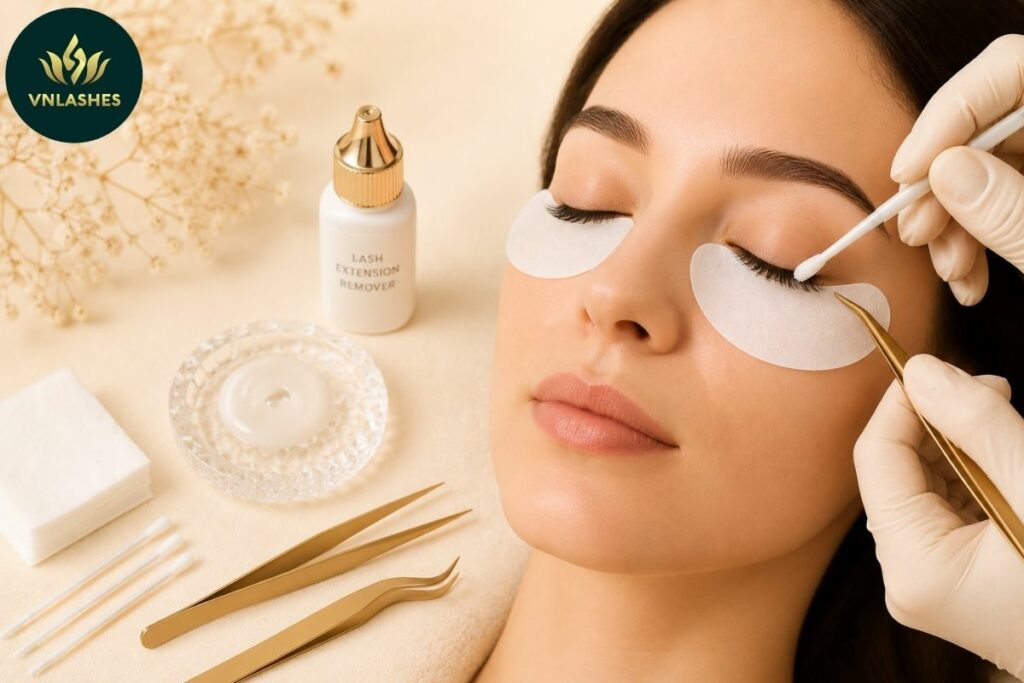
Lash extension removal is an important part of professional lash care. When extensions are removed incorrectly, natural lashes may experience pulling, breakage, or unnecessary stress.
For lash artists, salons, academies, and beauty businesses, safe lash extension removal helps protect the natural lash line and maintain service quality. As a lash product manufacturer and wholesale supplier, we understand that effective removal depends on suitable products, correct timing, and careful application.
What Is Lash Extension Removal?
Lash extension removal is the process of softening and breaking down the adhesive bond between eyelash extensions and natural lashes.
A professional adhesive remover is applied to the bonded area and left for the recommended processing time. Once the glue has softened, the extensions can be separated gently without excessive pulling.
Lash extension removal may be necessary when:
- A client wants to remove a complete lash set
- The extensions have become uneven or overgrown
- A new lash style will be applied
- The client experiences discomfort
- Incorrectly applied extensions need correction
Common Lash Extension Removal Mistakes
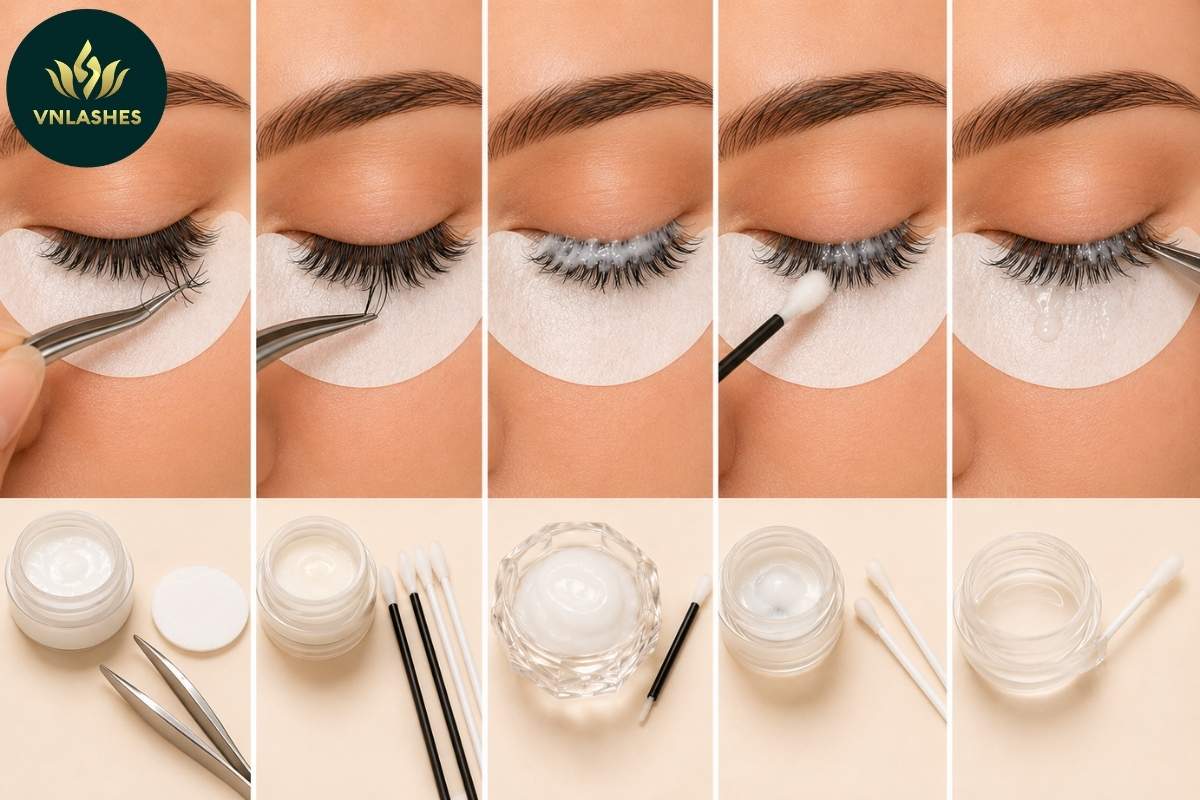
Pulling or Tugging the Extensions
Pulling extensions by hand is one of the most common lash extension removal mistakes.
When the adhesive bond is still firm, forceful pulling may remove natural lashes together with the extensions. This can cause breakage, thinning, or temporary gaps along the lash line.
Extensions should only be separated after the adhesive has softened sufficiently.
Rushing the Removal Process
Safe lash extension removal requires patience.
The remover needs enough time to break down the adhesive. Trying to remove extensions too early may require extra pressure and increase the risk of damaging natural lashes.
Processing time varies depending on the adhesive strength, lash density, remover formula, and product instructions.
Applying Too Much Remover
Using too much product does not necessarily make lash extension removal faster.
Excess remover may spread toward the eyelid, surrounding skin, or eye area. Lash professionals should use a controlled amount and apply it directly to the bonded section.
Applying Remover Too Close to the Eyes
Lash extension remover should not come into direct contact with the eyes.
Under-eye pads or lash tape should be placed carefully to isolate the lower lashes. A micro brush, lint-free applicator, or suitable removal tool can help improve application control.
Using an Unsuitable Removal Product
A poor-quality or overly runny remover may be difficult to control and may leave excessive residue.
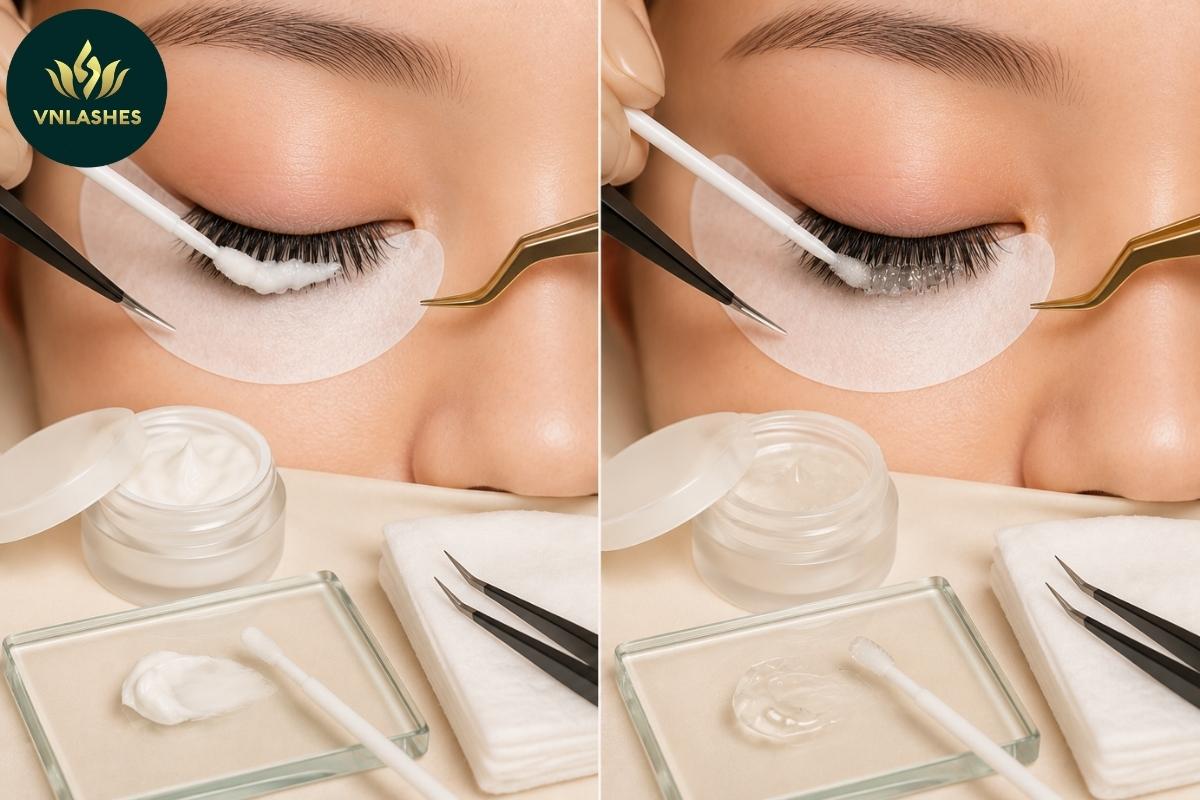
A professional lash extension removal product should provide a stable texture, consistent performance, clear instructions, and easy application. Cream formulas are often preferred because their thicker texture helps them remain in the intended area.
How to Perform Lash Extension Removal Safely
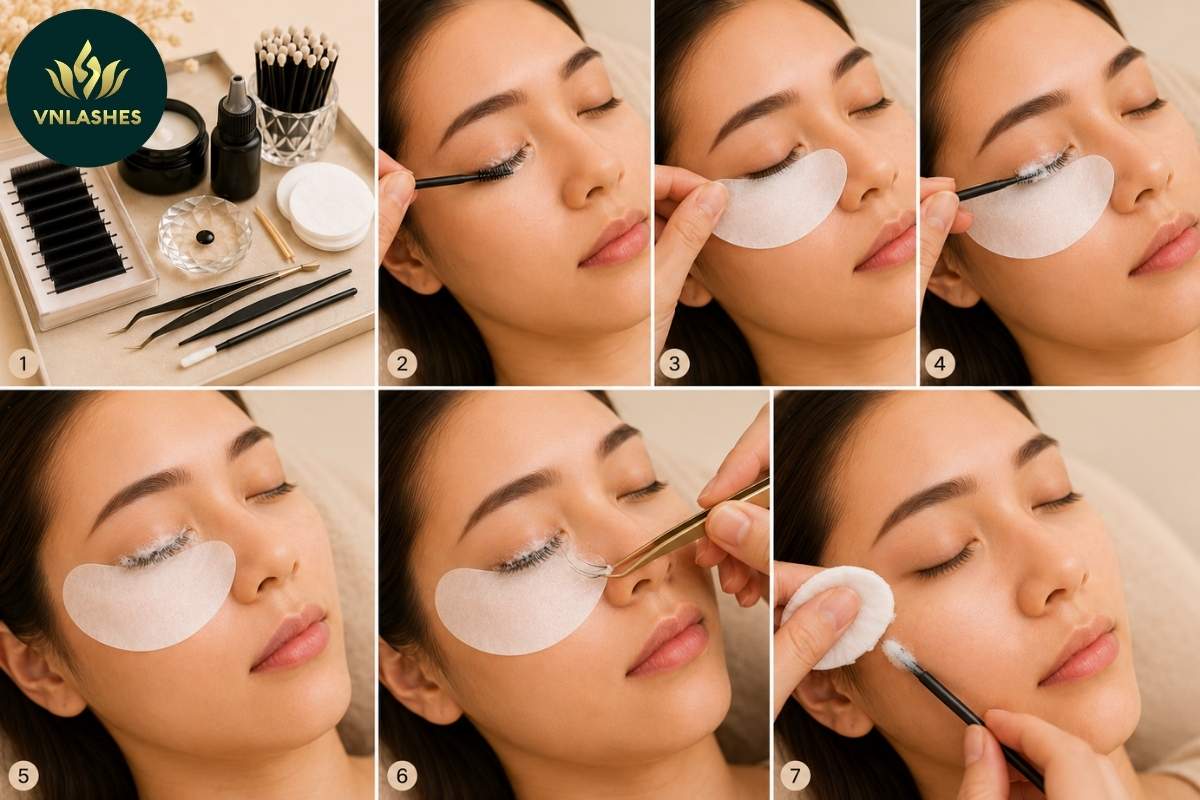
Prepare the Work Area
Before beginning lash extension removal, organize all necessary tools and supplies.
Common removal tools include:
- Lash extension remover
- Gel eye pads or lash tape
- Micro brushes
- Lint-free applicators
- Lash tweezers
- Lash spatula
- Clean cotton pads
- Lash cleanser
The treatment area should be clean, organized, and well lit.
Clean the Lash Area
Remove makeup, oil, dust, and surface residue before applying the remover.
A clean lash line allows the formula to reach the adhesive more effectively. The lashes should be dried thoroughly before continuing the lash extension removal process.
Protect the Lower Lashes
Place gel pads or lash tape beneath the eyes to isolate the lower lash line.
Correct placement helps prevent the upper and lower lashes from sticking together and reduces unwanted product contact with the surrounding skin.
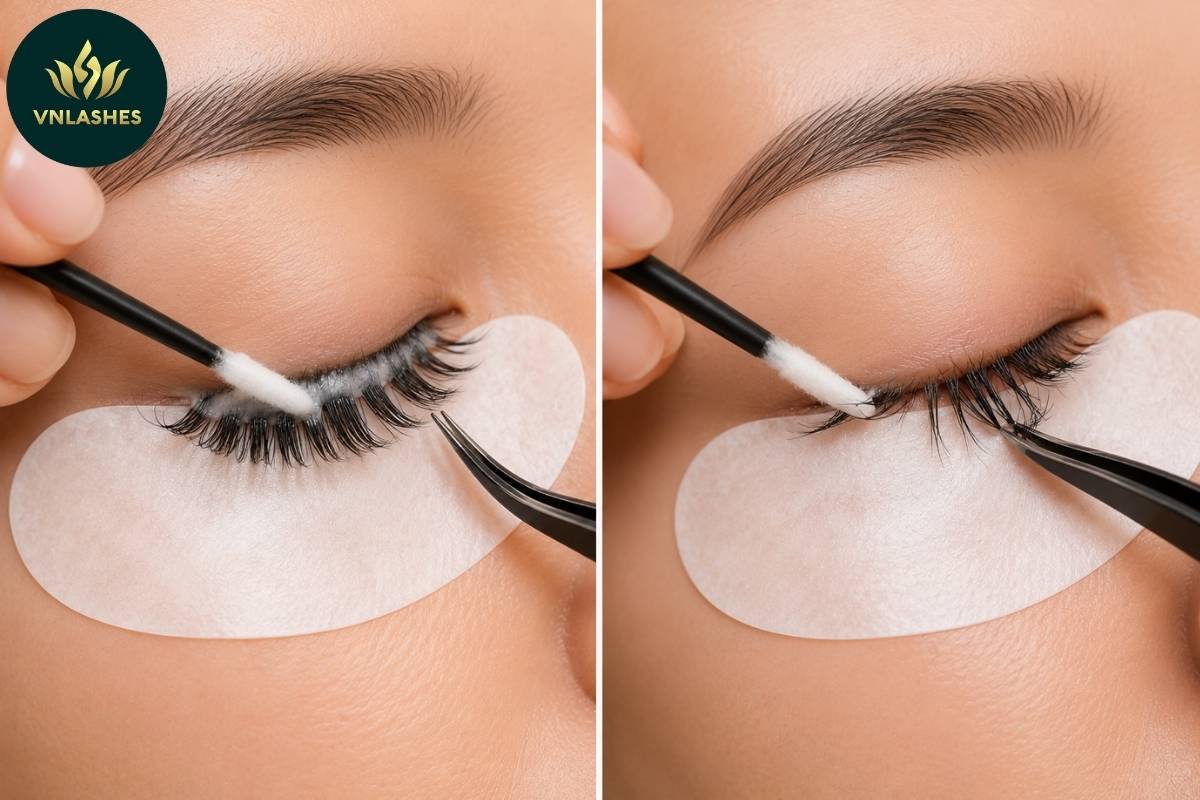
Apply the Lash Extension Remover
Use a small, controlled amount of remover on the bonded area near the base of the extensions.
Avoid placing the formula directly on the eyelid or skin. The client should keep their eyes fully closed throughout the lash extension removal procedure.
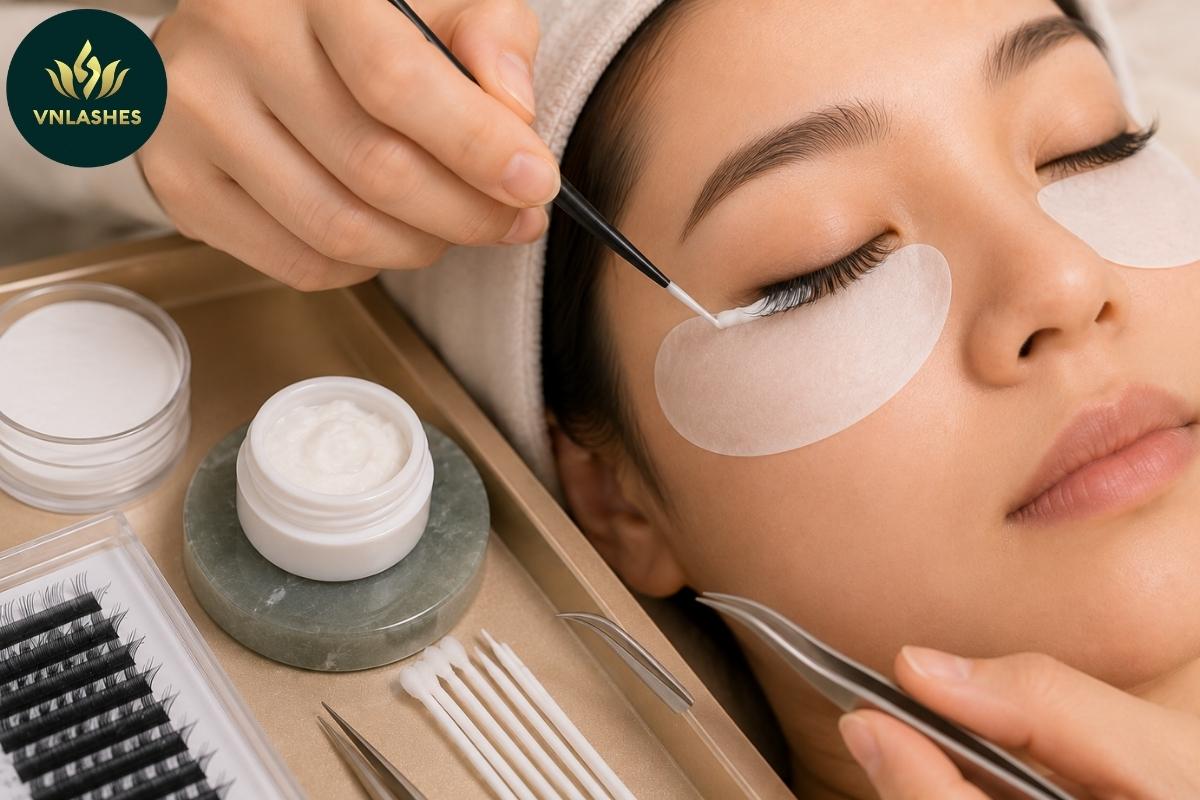
Allow Enough Processing Time
Leave the product in place according to the manufacturer’s instructions.
Do not pull or manipulate the extensions while the adhesive remains firm. Sufficient processing time allows the glue to soften and helps the extensions slide away with less pressure.
Gently Separate the Extensions
Use tweezers, a lash spatula, or lint-free applicators to remove the loosened extensions.
When some lashes remain attached, apply a small additional amount of remover and allow more time instead of pulling them forcefully.
Post-Removal Lash Care
Clean Away Product Residue
After lash extension removal, carefully cleanse the lash line.
A gentle lash cleanser can help remove remaining adhesive, remover, and surface residue.
Inspect the Natural Lashes
Check the natural lash line for remaining glue, stickiness, or signs of irritation.
A clean lash line is especially important when a new extension set will be applied after removal.
Avoid Rubbing the Eye Area
Clients should avoid rubbing, scratching, or pulling the natural lashes after the service.
Gentle cleansing and careful handling may help keep the eye area comfortable following lash extension removal.
DIY vs. Professional Lash Extension Removal
DIY lash extension removal may increase the risk of pulling natural lashes, using unsuitable products, or placing remover incorrectly.
Professional lash extension removal is generally more controlled because trained lash artists understand adhesive breakdown, product placement, isolation, and safe separation techniques.
Clients should avoid cutting, peeling, or forcefully pulling off extensions at home.
How to Choose a Lash Extension Remover
For salons, retailers, training academies, and distributors, consistent product quality is an important purchasing factor.
A suitable remover for lash extension removal should provide:
- Controlled placement
- Stable cream or gel texture
- Effective adhesive breakdown
- Easy residue removal
- Clear usage instructions
- Consistent quality between batches
Cream remover is popular among many lash professionals because its thicker consistency supports precise application. Gel remover may suit artists who prefer a lighter texture.
Wholesale Lash Extension Removal Products
As a lash product manufacturer and wholesale supplier, we understand that beauty businesses require reliable product performance across multiple orders.
Wholesale lash extension removal products may be suitable for:
- Lash salons
- Beauty academies
- Lash distributors
- Online beauty stores
- Private-label lash brands
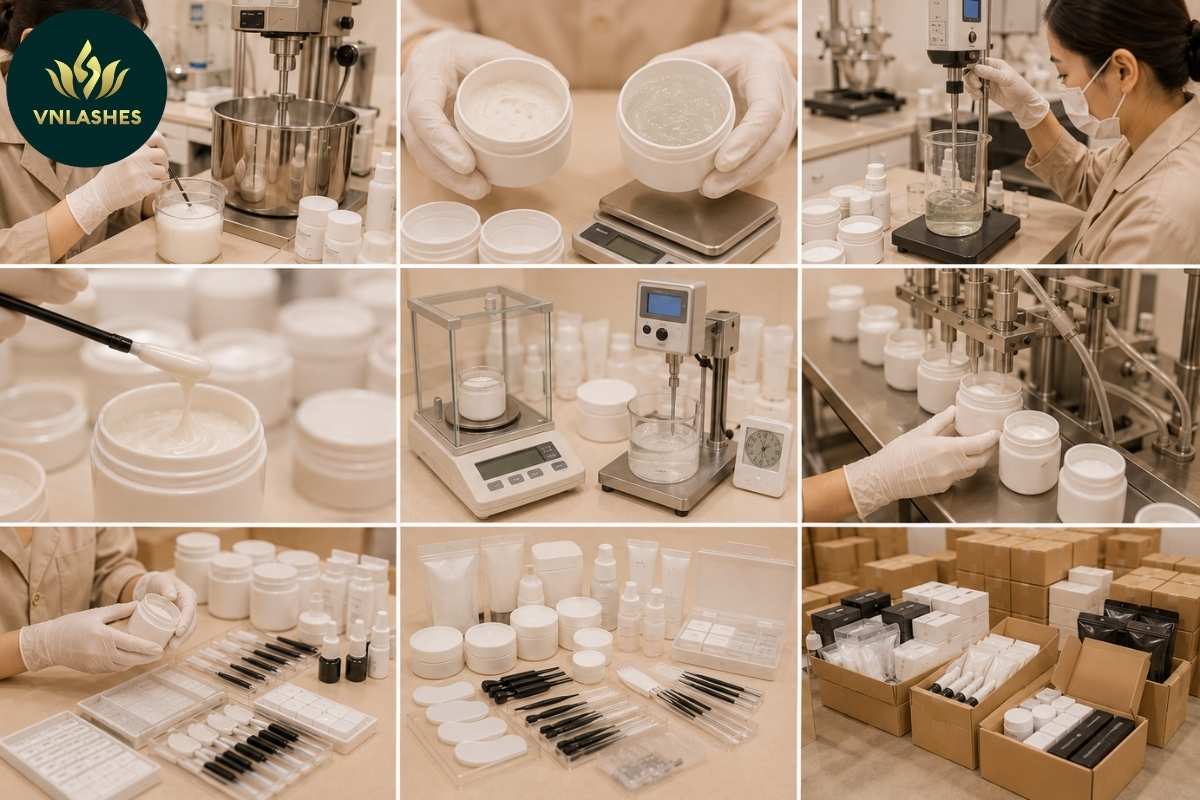
Depending on the supplier, businesses may customize packaging, labels, product format, and order quantity for wholesale, OEM, or private-label production.
Frequently Asked Questions About Lash Extension Removal
How Long Does Lash Extension Removal Take?
The total time depends on the adhesive, lash volume, remover texture, and condition of the extension set.
The product should remain on the lashes for the period stated in the manufacturer’s instructions.
Can Lash Extensions Be Removed Without Remover?
Trying to remove bonded extensions without a suitable product may place unnecessary pressure on the natural lashes.
A professional remover helps soften the adhesive so the extensions can be separated more gently.
Can a New Lash Set Be Applied Immediately After Removal?
A new lash set may be applied only after the previous extensions, adhesive, cleanser, and remover residue have been completely removed.
The natural lashes should be clean, dry, and suitable for another application.
Is Cream Remover Better Than Gel Remover?
Neither formula is suitable for every lash artist.
Cream remover offers a thicker consistency and more controlled placement, while gel remover may appeal to professionals who prefer a lighter formula. The choice depends on technique, working habits, and product instructions.
Conclusion
Lash extension removal requires controlled product placement, correct timing, and gentle handling.
The main mistakes to avoid include pulling the lashes, rushing the process, applying too much remover, and using an unsuitable formula. A careful lash extension removal technique can help reduce unnecessary stress on the natural lash line.
For wholesalers, salons, academies, and private-label brands, sourcing consistent lash extension removal products is also an important part of developing a reliable professional lash product range.
Bài viết liên quan
Lash Foam Cleansers: A Practical Guide for Lash Professionals
Lash foam cleansers are essential products for cleaning natural lashes, eyelids and eyelash extensions. They...
Jul
Lash Adhesive Remover: A Must-Have Product for Professional Lash Businesses
In the lash industry, a beautiful lash set is not only about application. Safe, clean,...
Jul
Eyelash Extension Adhesive Drying Time: 6 Key Factors
Eyelash extension adhesive drying time directly affects application speed, bond quality, lash retention, and the...
Lash Retention Issues: 7 Common Causes and Solutions
Lash retention issues can affect client satisfaction, salon reputation, and the overall performance of a...
Jul
Lash Placement: A Practical Guide to Better Extension Results
Correct lash placement is one of the most important skills in professional eyelash extension application....
Jul
How to Find a Good Lash Technician: 7 Essential Factors
Knowing how to find a good lash technician is important for anyone who wants attractive,...
Jul