
 Deutsch
 Русский
 Español
 Français
No products in the cart.

Lash Extension Guides, Eyelash Knowledge & Education
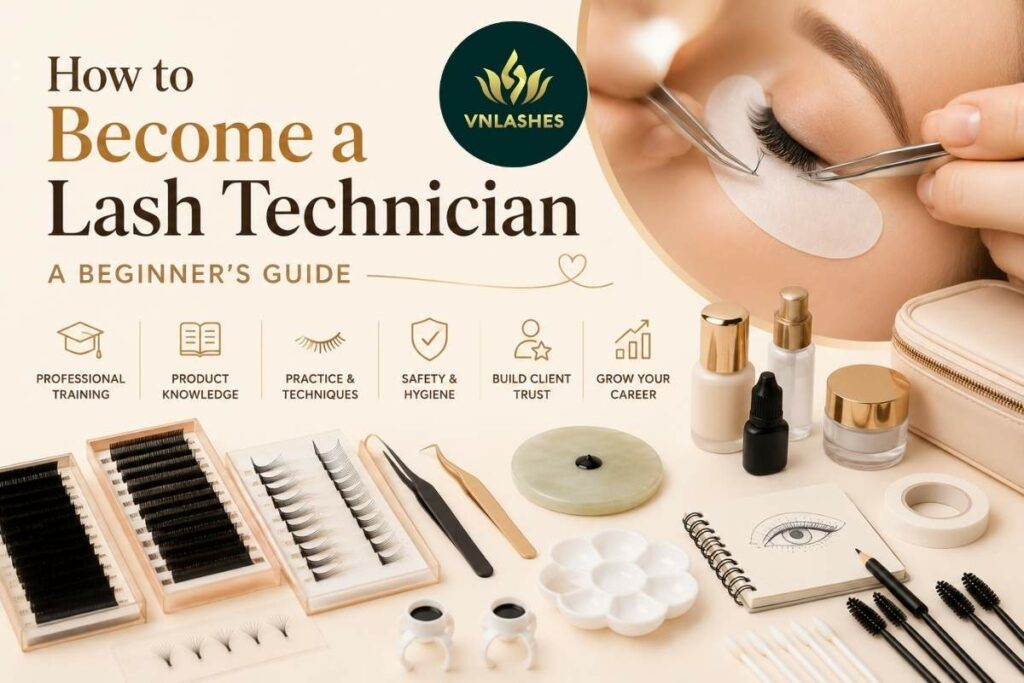
How to Become a Lash Technician: A Beginner’s Guide
12
Jul
Jul
Learning how to become a lash technician is the first step toward building a professional career in the beauty industry. The role combines technical ability, creativity, hygiene awareness, product knowledge, and client care.
With suitable training, regular practice, and dependable lash supplies, beginners can gradually develop the skills required to provide safe and consistent eyelash extension services.
What Does a Lash Technician Do?
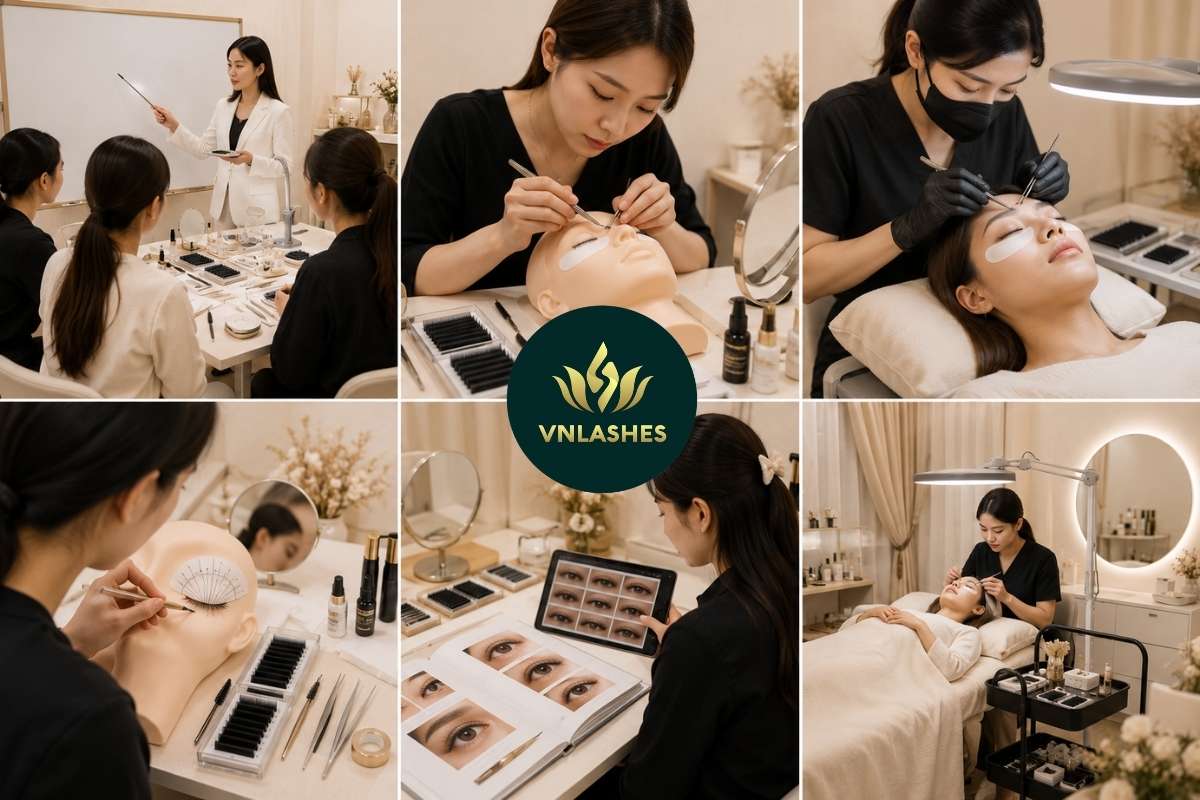
A lash technician, also known as a lash artist, applies extensions to individual natural lashes using specialized tweezers, adhesive, and styling techniques.
Typical responsibilities include:
- Consulting with clients
- Assessing natural lash condition
- Choosing suitable curls, lengths, and thicknesses
- Creating a lash map
- Isolating natural lashes
- Applying classic lashes or volume fans
- Checking direction and symmetry
- Explaining aftercare
- Scheduling refill appointments
A professional lash artist should be patient, precise, hygienic, and comfortable working with fine details.
How to Become a Lash Technician Step by Step
Understanding how to become a lash technician involves more than attaching eyelash extensions. New artists must also learn sanitation, styling, adhesive control, client consultation, product selection, and safe application practices.
1. Check Local Licensing Requirements
The first step is to research the regulations in your country, state, province, or city.
Depending on the location, you may need:
- A cosmetology or esthetics license
- A recognized lash training certificate
- Professional liability insurance
- Hygiene and sanitation training
- Business registration
- Permission to provide home-based services
Licensing requirements vary by region, so information should always be confirmed with the relevant local authority before offering paid services.
2. Complete Professional Lash Training
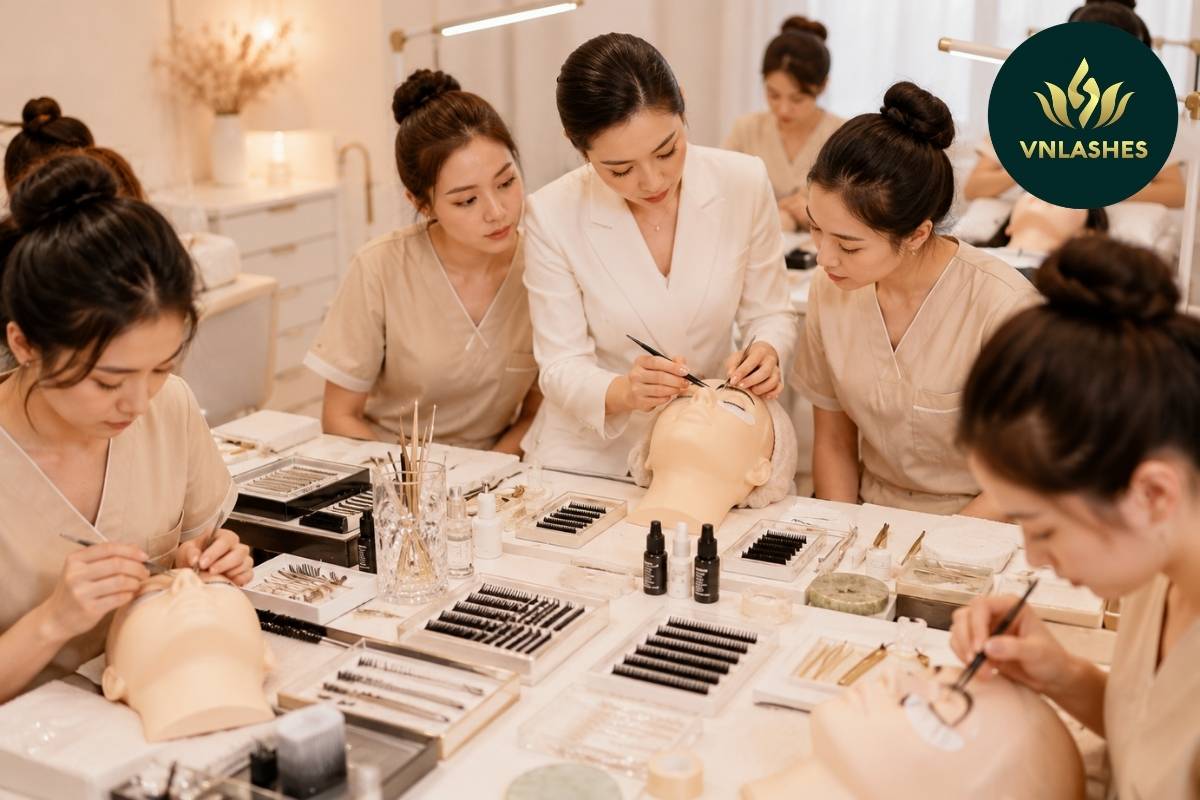
Formal education is an essential part of learning how to become a lash technician. A suitable beginner course provides both theoretical knowledge and practical application skills.
Training should cover:
- Natural lash structure
- Lash growth cycles
- Eye shapes
- Classic lash application
- Isolation and placement
- Lash mapping
- Adhesive control
- Hygiene procedures
- Safe removal
- Client consultation
- Aftercare
In-person education allows students to receive direct correction from an instructor. Online lessons can support theoretical learning, but supervised practice remains valuable during the early stages.
3. Understand Eyelash Extension Products
Product knowledge affects application speed, retention, styling, and client comfort.
A beginner lash technician should understand the differences between:
- Classic extensions
- Volume lashes
- Premade fans
- Handmade fans
- Lash curls and lengths
- Fiber thicknesses
- Professional adhesives
- Primers and cleansers
- Removers
- Eye pads and tapes
From a manufacturer’s perspective, important quality factors include curl stability, fiber softness, accurate sizing, clean bases, consistent fan widths, and practical packaging.
Reliable materials help beginners evaluate their application technique without dealing with unnecessary product variations.
Build a Beginner Lash Technician Kit
Preparing the correct equipment is another important stage in understanding how to become a lash technician.
Essential Lash Supplies for Beginners
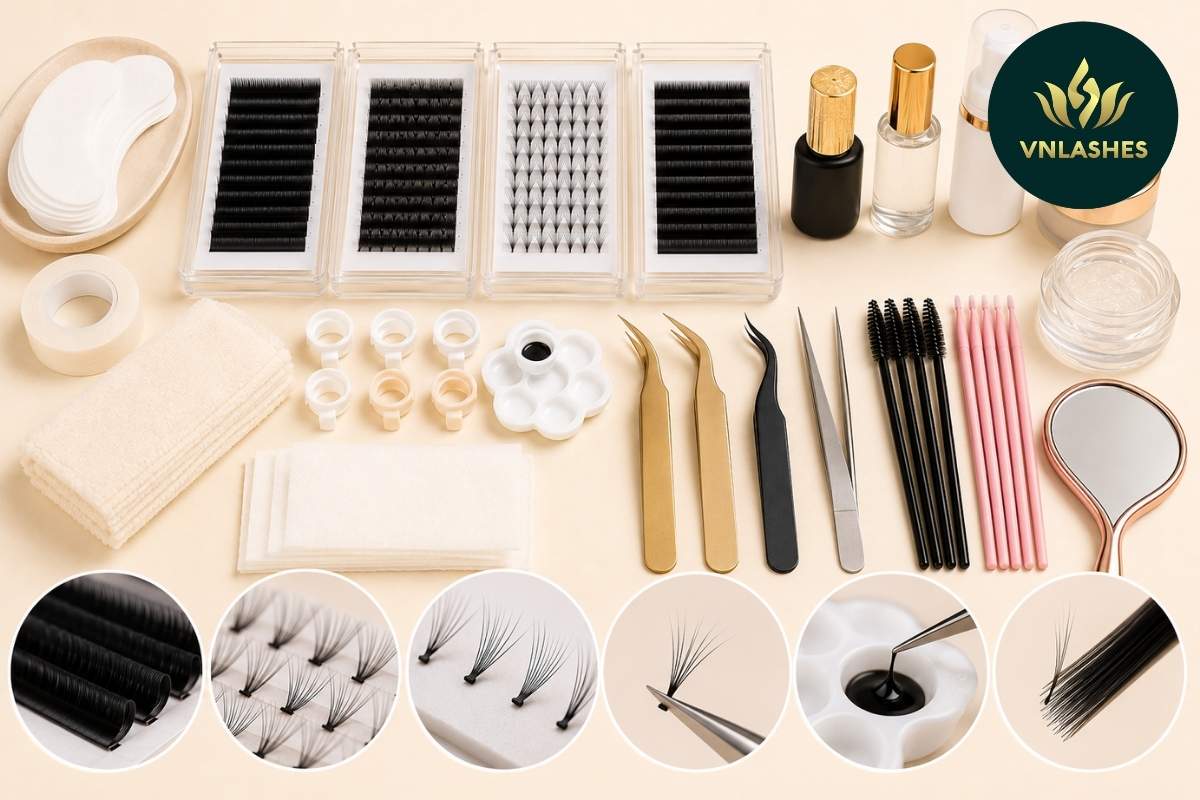
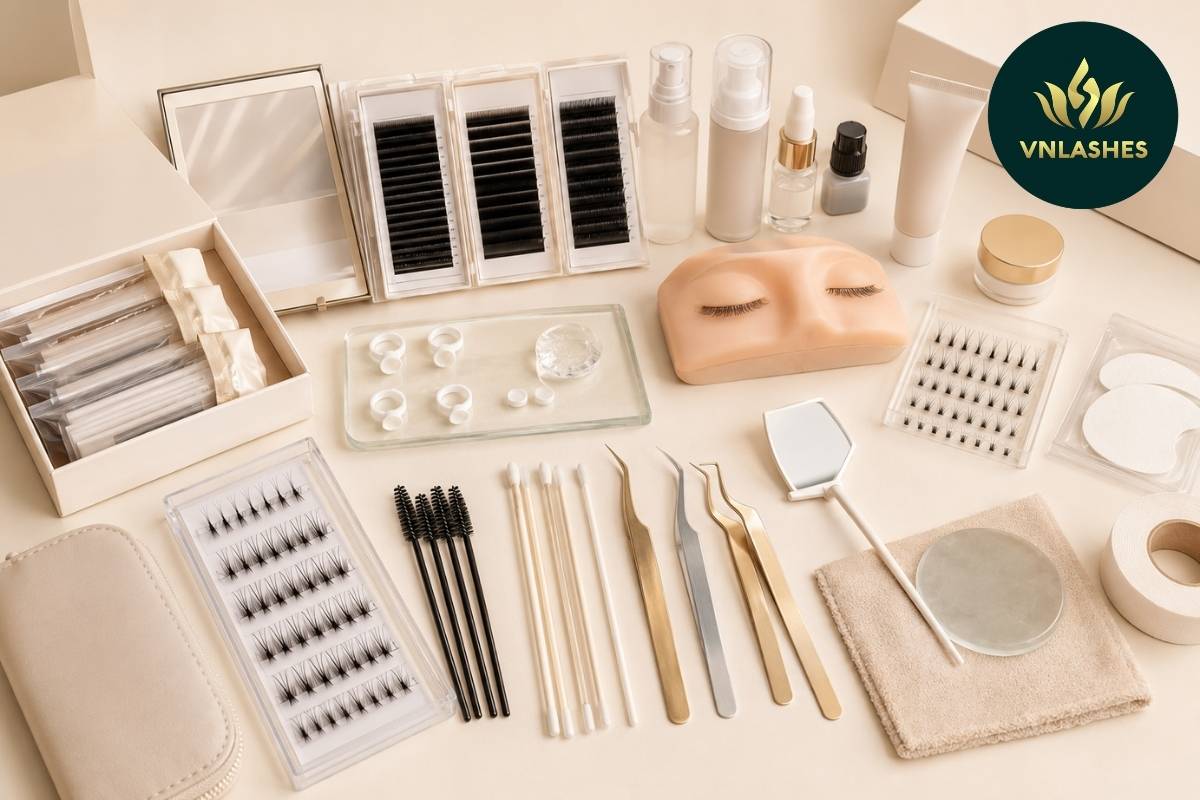
A basic professional kit may include:
- Classic lash trays
- Volume lash trays
- Premade fans
- Isolation tweezers
- Application tweezers
- Eyelash extension adhesive
- Under-eye pads
- Lash tape
- Mascara wands
- Micro brushes
- Lash cleanser
- Primer
- Gel remover
- Glue rings
- Lash mirror
- Hygrometer
New artists do not need to purchase every available product. A smaller collection of dependable supplies is generally more practical than a large kit containing untested items.
How to Choose a Reliable Lash Supplier
A suitable wholesale partner should provide clear product specifications and stable quality across repeat orders.
Important factors include:
- Fiber material
- Curl consistency
- Length accuracy
- Thickness options
- Fan width
- Base shape
- Fiber finish
- Packaging quality
- Minimum order quantity
- Sample availability
- Wholesale pricing
- OEM capabilities
- Private label options
Testing product samples before placing a larger wholesale order can help determine whether the materials suit the artist’s technique and target clients.
Practice Lash Application Safely
Practice is one of the most important parts of learning how to become a lash technician. Beginners should focus on accuracy, safety, and clean application before trying to improve speed.
Start With a Mannequin Head
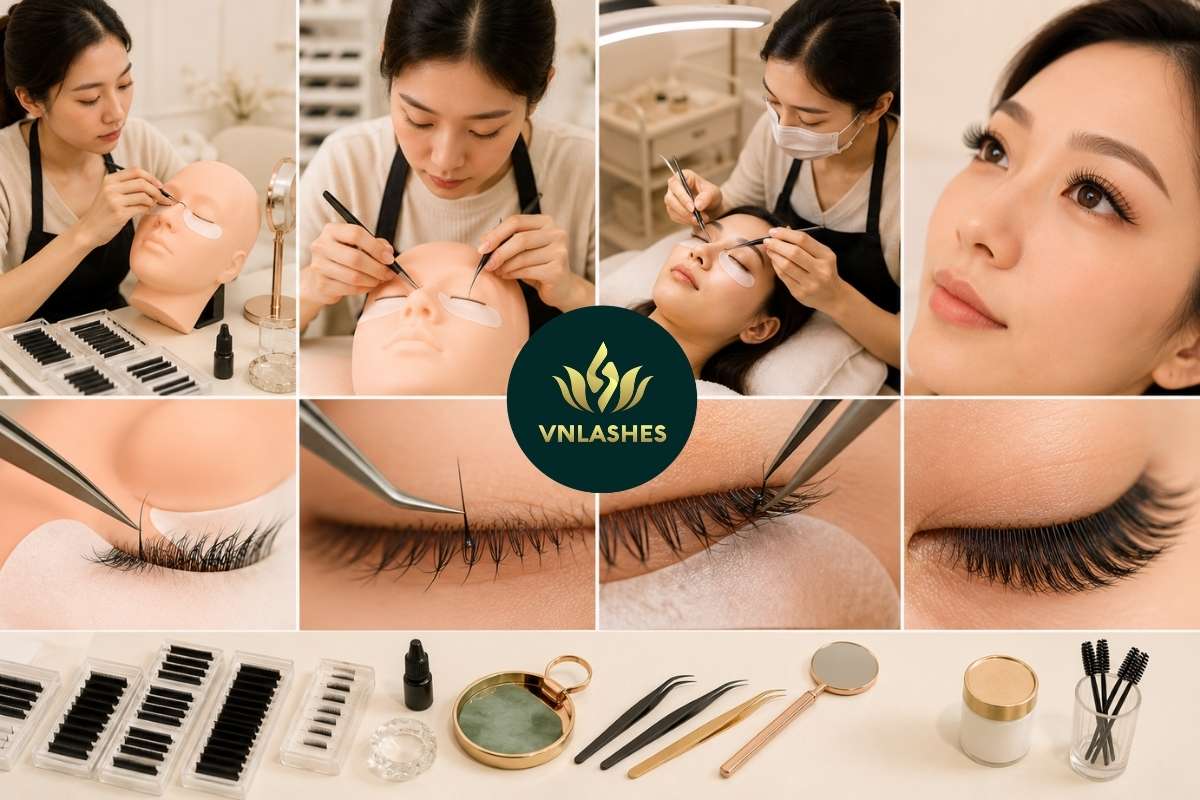
A mannequin head or training sponge allows students to become familiar with basic hand movements before working on a live model.
Practice the following skills:
- Tweezer control
- Lash isolation
- Extension pickup
- Adhesive control
- Placement
- Direction
- Basic lash mapping
This stage helps improve hand stability, coordination, and confidence.
Move to Live Models Gradually
Once basic movements become more consistent, students can begin working with live models under appropriate supervision.
During each practice set, check:
- Safe distance from the eyelid
- Clean isolation
- Extension direction
- Balanced lash mapping
- Correct adhesive amount
- Client comfort
- Natural lash condition
Safety and accuracy should always be prioritized before application speed.
Review Every Lash Set
Taking clear before-and-after photographs helps artists evaluate their work.
Review:
- Symmetry
- Direction
- Density
- Inner corners
- Outer corners
- Styling balance
- Lash line cleanliness
Feedback from trainers and experienced professionals can help identify repeated application mistakes.
Develop Professional Lash Technician Skills
After learning the basic process, the next goal is improving consistency, styling, and working efficiency.
Master Classic Lash Application First
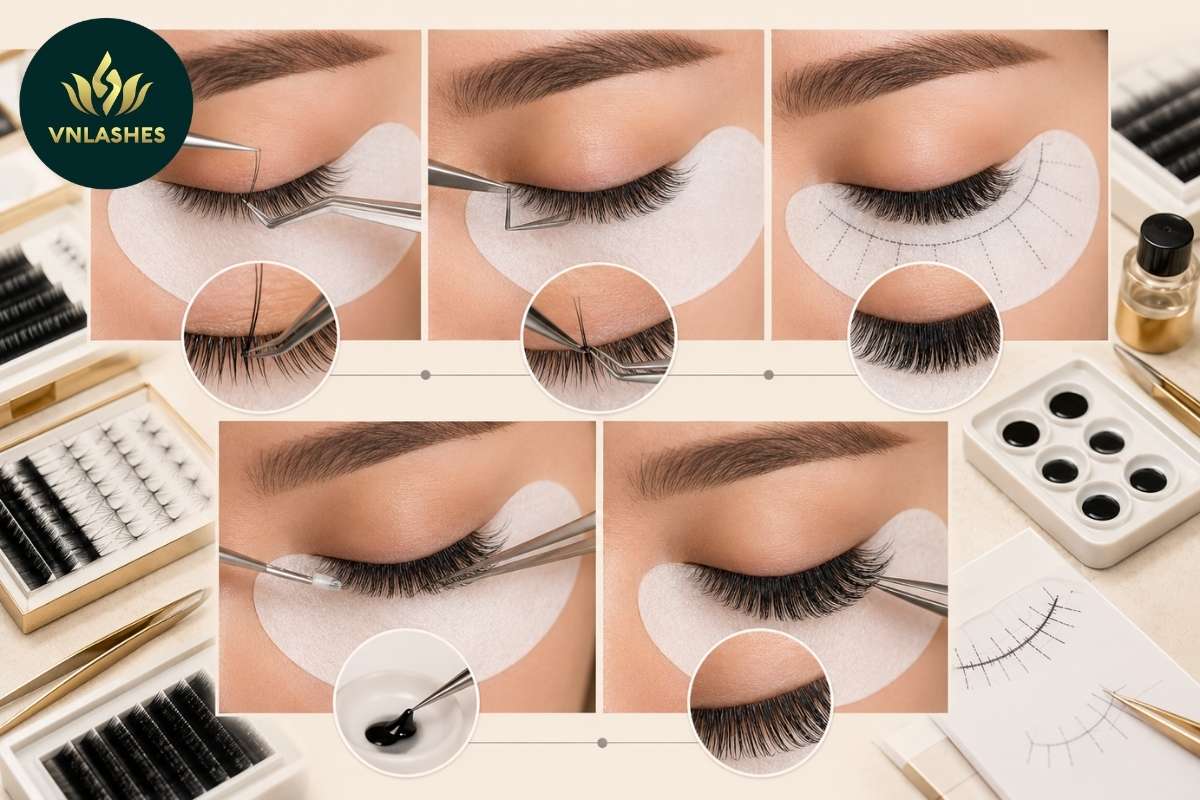
Classic extensions teach the essential techniques required to become a professional lash technician.
These techniques include:
- Isolation
- Placement
- Adhesive control
- Lash direction
- Natural lash assessment
Once these fundamentals are stable, artists can progress to:
- Hybrid lash sets
- Volume lashes
- Premade fan application
- Wispy styles
- Wet-look sets
- Mega volume techniques
A strong classic foundation makes advanced application methods easier to learn and control.
Learn Lash Mapping
Lash mapping helps create balanced designs for different eye shapes and styling preferences.
Common maps include:
- Natural eye
- Doll eye
- Cat eye
- Squirrel eye
- Open eye
The selected design should also consider the strength, density, and growth direction of the client’s natural lashes.
Understand Lash Adhesive Conditions
Adhesive performance may be affected by:
- Humidity
- Temperature
- Working speed
- Product freshness
- Storage conditions
- Glue drop replacement frequency
A beginner should use an adhesive that matches their application speed. Products with very fast curing times may be difficult to control during early training.
Build Your First Client Base
Knowing how to become a lash technician also includes developing customer service and basic business management skills.
Offer Model Appointments
Model appointments allow new artists to gain practical experience and create a portfolio.
Each session should include:
- Client consultation
- Hygiene procedures
- Natural lash assessment
- Safe application
- Aftercare guidance
- Appointment records
Professional standards should be maintained even when the service is free or discounted.
Create a Consistent Lash Portfolio
A useful portfolio may include:
- Before-and-after results
- Natural lash sets
- Fuller styles
- Close-up application photos
- Different lash maps
- Consistent lighting
- Clear viewing angles
Photographs should represent the quality of the finished work accurately without excessive editing.
Improve the Client Experience
Clients evaluate more than the appearance of the finished lash set. They also notice:
- Cleanliness
- Comfort
- Communication
- Appointment timing
- Professional behavior
- Aftercare support
- Result consistency
A reliable client experience can support repeat appointments and referrals.
Start Building a Lash Brand
A trained artist may work independently, join a salon, operate a home studio, or develop a larger beauty business.
Define Your Brand Positioning
Choose the service style and audience your business will focus on.
Possible directions include:
- Natural everyday lashes
- Luxury lash services
- Fast premade fan sets
- Volume styling
- Mega volume
- Lash education
- Aftercare products
Clear positioning helps potential clients understand the specialty and direction of the business.
Use Consistent Wholesale Lash Products
As appointment volume grows, purchasing wholesale can improve stock planning and cost control.
Product consistency is especially important for:
- Curl
- Length
- Thickness
- Fan width
- Base style
- Fiber finish
- Color
- Packaging
Salons, academies, distributors, and developing beauty brands may also use OEM or private label services to create products under their own branding.
Common Mistakes Beginner Lash Technicians Should Avoid
Using Too Much Adhesive
Excess adhesive can cause stickiness, poor attachment, discomfort, and an uneven lash line.
Focusing on Speed Too Early
Fast application is not useful when isolation, placement, or direction remains inconsistent.
Buying Too Many Products
Purchasing a large product collection too early increases costs and makes it difficult to determine which materials perform best.
Ignoring Natural Lash Health
Extensions should be selected according to the strength, density, and condition of the client’s natural lashes.
Skipping Aftercare Education
Clients need clear instructions about cleansing, brushing, makeup use, rubbing, and refill schedules.
Continue Learning as a Lash Technician
The eyelash extension industry continues to develop through new tools, products, and styling methods.
Ongoing professional education may include:
- Advanced volume training
- Lash styling courses
- Retention workshops
- Adhesive education
- Business training
- Trainer certification
- Product knowledge
- Salon management
Continuous learning helps lash professionals maintain consistent standards and adapt to changing client preferences.
Final Thoughts on How to Become a Lash Technician
Understanding how to become a lash technician requires professional training, safe practice, patience, suitable materials, and continuous improvement.
Beginners should develop strong application fundamentals before progressing to advanced techniques. Professional education, controlled practice, dependable tools, and consistent extensions can support better results and long-term career development.
As an eyelash manufacturer and wholesale supplier, we recognize the importance of stable curls, soft fibers, clean bases, accurate specifications, and reliable packaging for beginner and experienced lash technicians.


Bài viết liên quan
Zero Time Promade Fan Lashes – Wholesale Manufacturer & OEM Services
For lash salons and professional eyelash brands, application efficiency and consistent quality are important factors...
Oct
Magic Fan And Zero Time Promade Fan – A Faster, Time-Saving Lash Extension Solution
In the professional lash extension industry, application speed and product consistency are important factors for...
Oct
Custom Magic Fans Manufacturing and OEM Services: Production Process
When sourcing Magic Fans in bulk, buyers need more than just an attractive lash tray....
Aug
Lash Extension Removal: Common Mistakes and Safe Techniques
Lash extension removal is an important part of professional lash care. When extensions are removed...
Jul
Lash Foam Cleansers: A Practical Guide for Lash Professionals
Lash foam cleansers are essential products for cleaning natural lashes, eyelids and eyelash extensions. They...
Jul
Lash Adhesive Remover: A Must-Have Product for Professional Lash Businesses
In the lash industry, a beautiful lash set is not only about application. Safe, clean,...
Jul