
 Deutsch
 Русский
 Español
 Français
No products in the cart.

Lash Aftercare & Safety, Eyelash Knowledge & Education
Itchy Eyelashes: Causes, Relief and Prevention Tips
10
Jul
Jul
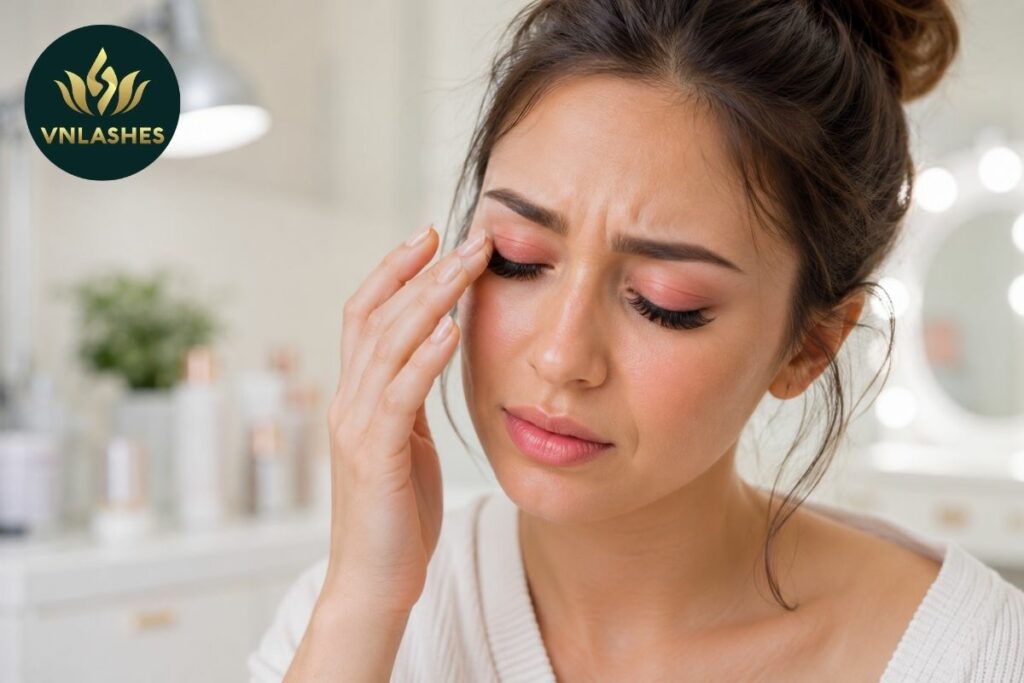
Itchy eyelashes can be uncomfortable, especially when the symptoms begin after an eyelash extension appointment. In many cases, itchy eyelashes may be linked to adhesive sensitivity, poor application, product buildup or irritation around the eyelids.
For lash artists, salons and lash brands, understanding the causes of itchy eyelashes can help improve client comfort and support better product selection.
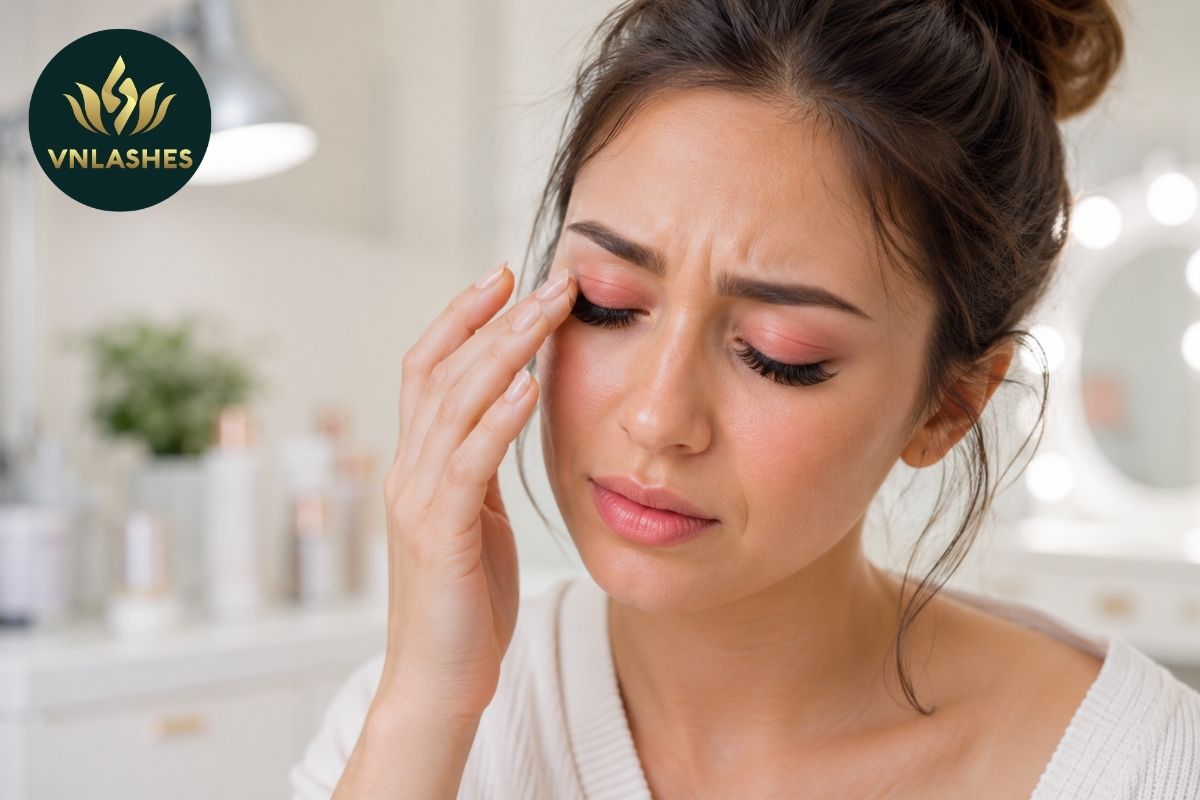
Why Are My Eyelashes Itchy?
Itchy eyelashes do not always mean that a client is allergic to eyelash extensions. The discomfort may come from adhesive fumes, skin contact, poor lash hygiene, eye makeup or an existing eyelid condition.
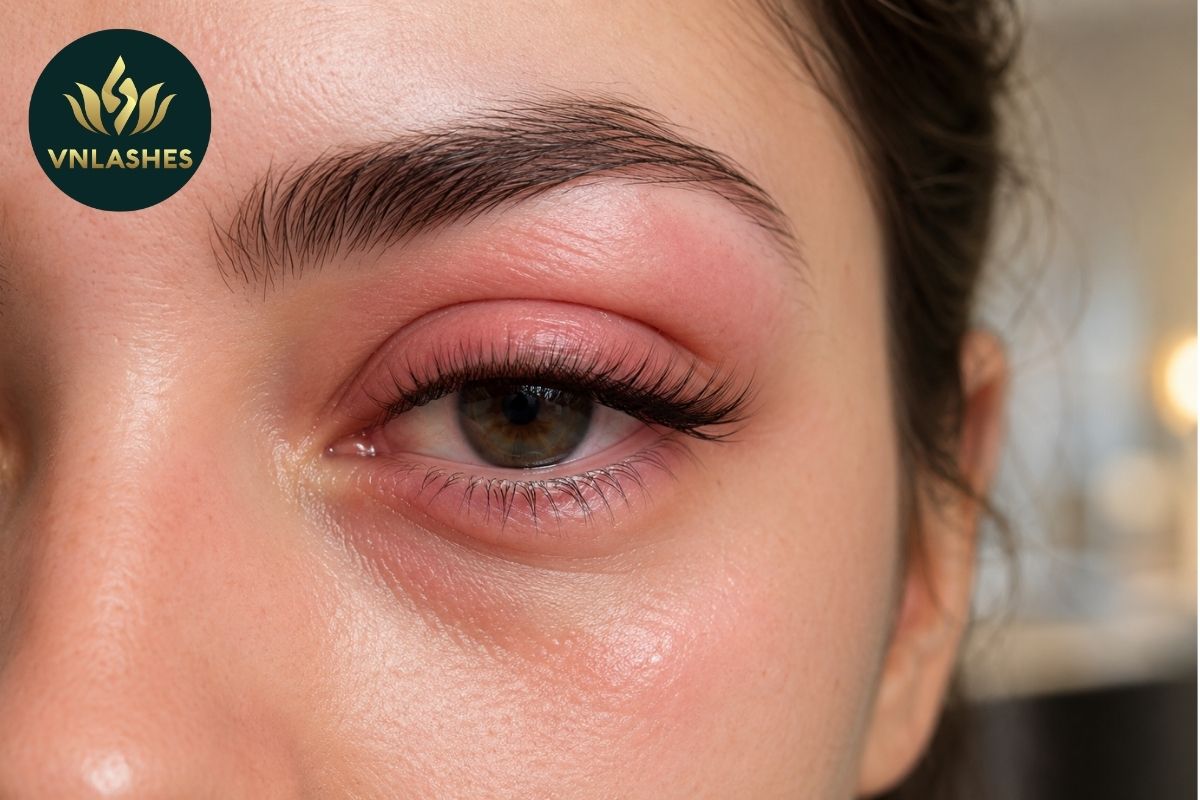
Common signs associated with itchy eyelashes may include:
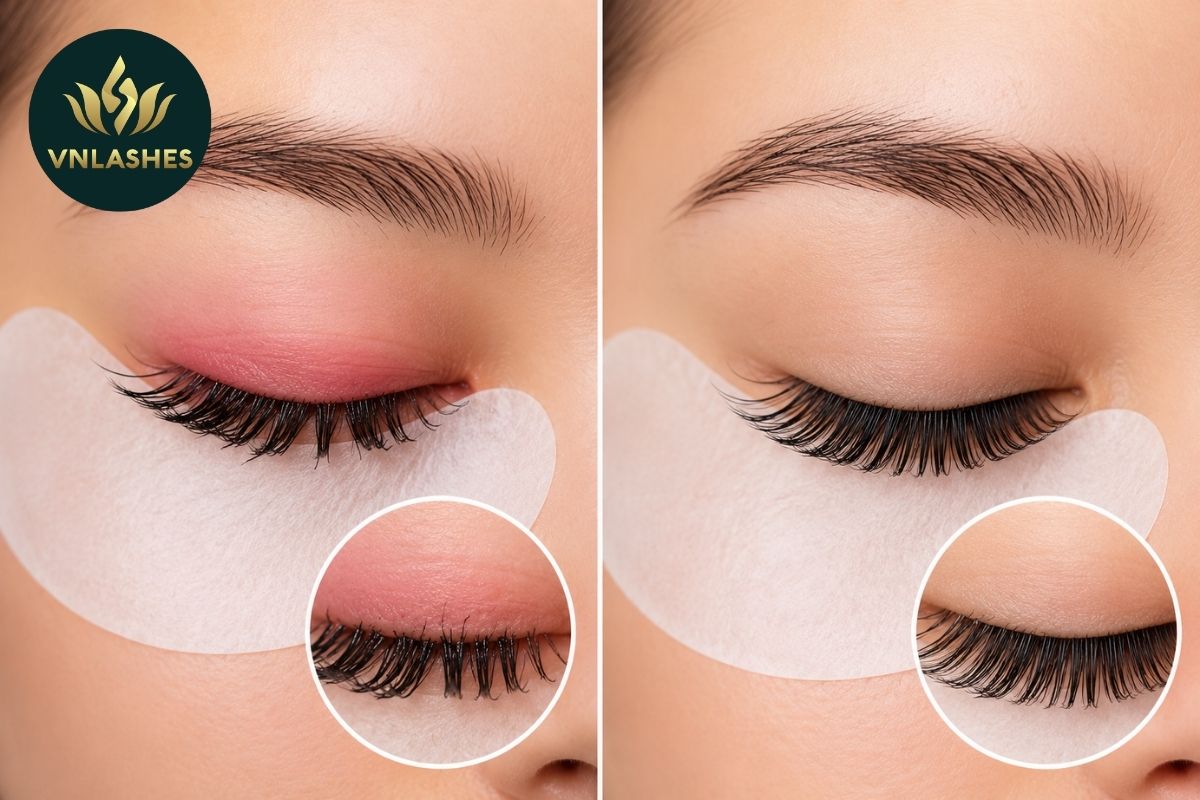
- Red or swollen eyelids
- Burning or stinging
- Watery eyes
- Flaky skin near the lash line
- Crusting around the eyelashes
- Discomfort when blinking
Persistent pain, swelling, discharge or vision changes should be assessed by a qualified healthcare professional.
Common Causes of Itchy Eyelashes
Sensitivity to Lash Adhesive
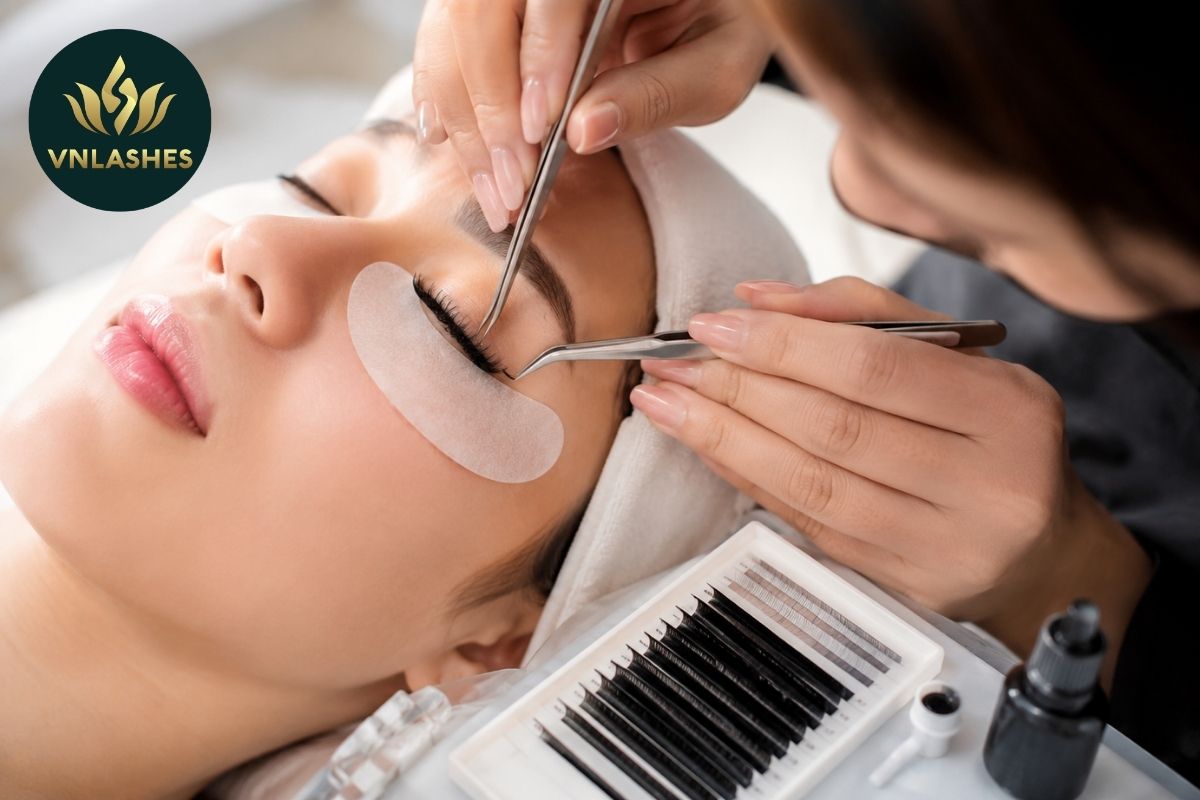
Most professional lash adhesives contain cyanoacrylate, which creates a fast bond between the eyelash extension and the natural lash.
Some clients may be sensitive to adhesive fumes or certain ingredients. This may lead to itchy eyelashes, redness, swelling, burning or general eyelid irritation.
Products described as sensitive or low-fume may still cause reactions in some individuals. Lash artists should follow the adhesive manufacturer’s instructions and avoid claiming that any glue is completely allergy-free.
Extensions Touching the Skin
Eyelash extensions should be attached to the natural lashes rather than bonded directly to the eyelid.
When adhesive or a lash base touches the skin, it may create friction and localized irritation. Poor placement can make itchy eyelashes feel worse whenever the client blinks.
Poor Lash Isolation
Incorrect isolation may cause two or more natural lashes to become stuck together.
Because natural lashes grow at different speeds, bonded lashes may pull against one another. This can result in tightness, discomfort and eyelash itching several days after the appointment.
Heavy or Incorrectly Sized Extensions
Extensions that are too long, thick or heavy may place unnecessary pressure on the natural lashes.
A professional lash artist should select a suitable:
- Length
- Diameter
- Curl
- Fan weight
- Base style
Lightweight extensions with smooth and consistent bases may reduce the risk of itchy eyelashes caused by pulling or poor weight distribution.
Makeup, Oil and Debris Buildup
Eye makeup, oil, dust and dead skin may collect around the lash line when extensions are not cleaned regularly.
This buildup may contribute to an itchy lash line and general eyelid irritation. Flakes, crusting or repeated itching may also be related to an eyelid condition that requires professional assessment.
Eye Makeup and Skincare Products
Mascara, eyeliner, facial cleanser, eye cream and makeup remover can irritate the delicate skin around the eyes.
When itchy eyelashes begin after using a new cosmetic product, that product should be considered as a possible cause, even when the client is not wearing extensions.
How to Relieve Itchy Eyelashes
The most suitable way to relieve itchy eyelashes depends on the cause of the discomfort.
Avoid Rubbing the Eyes
Rubbing may worsen eyelash itching and damage both natural lashes and extensions. It can also transfer dirt and bacteria from the hands to the eye area.
Clients should avoid scratching, pulling or twisting the extensions.
Clean the Lash Line Gently
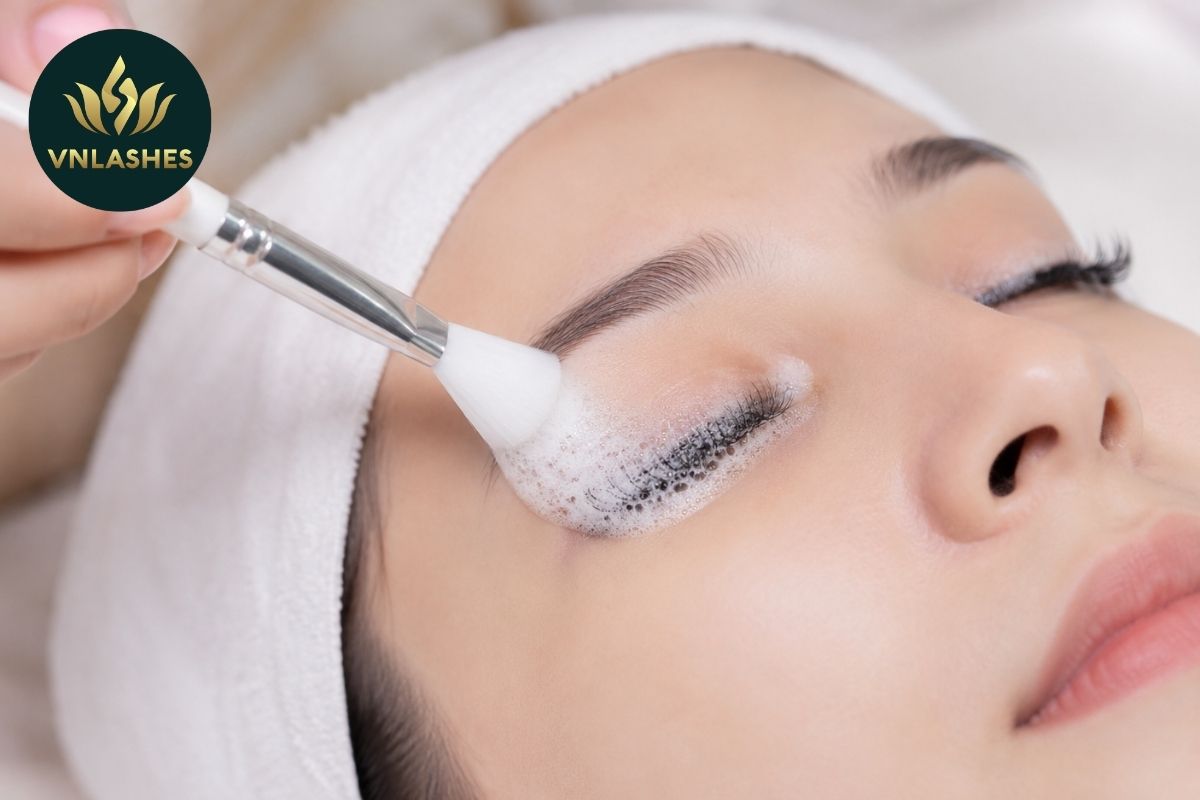
Use a suitable lash cleanser and a soft cleansing brush to remove oil, makeup and daily buildup.
Rinse the cleanser thoroughly and allow the eyelashes to dry without aggressive rubbing. Regular cleansing may help reduce itchy eyelashes caused by dirt, oil and residue.
Cleansing is especially important for clients who:
- Wear eye makeup
- Have oily skin
- Exercise frequently
- Work in dusty environments
- Apply sunscreen or skincare near the eyes
Stop Using New Eye Products
When itchy eyelashes begin after using a new cosmetic or skincare product, stop applying that product around the eyes until the possible cause has been identified.
Avoid using essential oils, harsh creams or unapproved home remedies directly on the eyelids or lash line.
Ask a Lash Artist to Inspect the Set
A trained lash artist should examine the extensions when itchy eyelashes may be connected to:
- Skin contact
- Poor isolation
- Thick adhesive placement
- Sharp lash bases
- Heavy fans
- Twisted extensions
Clients should not pull the extensions off at home, as this may damage the natural lashes and worsen eyelid irritation.
Seek Medical Advice When Necessary
Contact an eye-care or healthcare professional when itchy eyelashes continue, become severe or are accompanied by:
- Significant eyelid swelling
- Eye pain
- Blurred vision
- Light sensitivity
- Yellow or green discharge
- Difficulty opening the eye
- Facial swelling or breathing difficulty
How to Prevent Itchy Eyelashes After Extensions
Choose a Trained Lash Artist
A trained professional understands lash isolation, adhesive control, fan weight and safe placement.
Correct technique can help reduce itchy eyelashes after extensions by preventing skin contact, stuck lashes and excessive adhesive use.
Discuss Previous Sensitivities
Clients should inform their lash artist about previous reactions, sensitive skin, eye conditions or discomfort caused by cosmetic products.
A patch test may provide limited information, but it cannot guarantee that itchy eyelashes or allergic symptoms will not develop during a full application.
Use Professional Lash Products
Reliable manufacturing and quality control are important for comfortable lash services.
Lash businesses should evaluate products based on:
- Smooth and consistent bases
- Stable curl and diameter
- Lightweight construction
- Clear usage instructions
- Traceable product information
- Consistent quality between batches
- Suitable storage requirements
Price should not be the only factor when selecting products intended for use close to the eyes.
Match Extensions to the Natural Lashes
The lash style should be selected according to the strength, density and condition of the client’s natural lashes.
A visible result does not always require excessive length or weight. Correctly selected classic extensions, volume lashes or premade fans can create fullness while reducing the risk of pulling, discomfort and itchy eyelashes.
Follow Adhesive Instructions
Temperature, humidity, storage and curing conditions can affect adhesive performance.
Lash artists should follow the instructions provided for the specific adhesive they use instead of applying one general rule to every product.
Provide Clear Aftercare Guidance
Clients should receive simple instructions explaining how to:
- Clean their extensions
- Avoid rubbing or pulling
- Use eye makeup carefully
- Brush the lashes gently
- Recognize signs of irritation
- Contact the salon if discomfort develops
Clear aftercare instructions can help reduce itchy eyelashes caused by poor hygiene or incorrect daily care.
What Lash Brands Should Consider When Sourcing Products
For wholesalers, distributors and private-label lash brands, client comfort begins with consistent product quality.
Smooth Lash Bases
Thick, sharp or uneven bases may make application more difficult and can contribute to itchy eyelashes when placed incorrectly.
Consistent Fan Weight
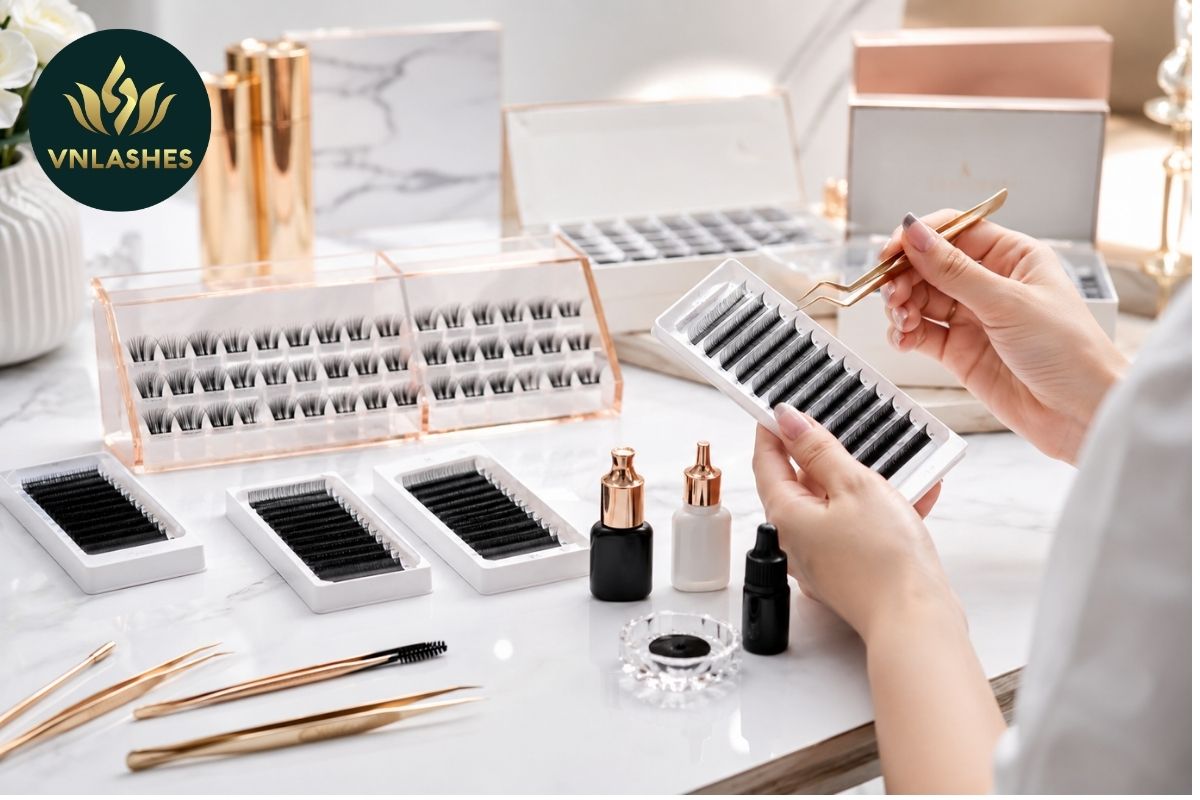
Premade and promade fans should have predictable dimensions and stable weight. This helps lash artists choose suitable products for different natural lash conditions.
Reliable Specifications
Curl, length, diameter and fan density should remain consistent between production batches.
Inconsistent specifications can affect application time, styling results and client comfort.
Protective Packaging
Lash products should be protected from dust, moisture and deformation during storage and international transportation.
Transparent Wholesale Information
A reliable eyelash manufacturer should provide clear information about:
- Product specifications
- Minimum order quantities
- Packaging options
- Production timelines
- Quality-control procedures
- Wholesale and private-label services
Frequently Asked Questions About Itchy Eyelashes
Is It Normal for Lash Extensions to Feel Itchy?
Brief awareness of a new lash set may occur, but persistent itchy eyelashes, redness, swelling or pain should not be treated as a normal result.
The application may need to be inspected, and medical advice may be necessary when symptoms are significant.
Can Dirty Lash Extensions Cause Itchy Eyelashes?
Yes. Oil, makeup, dead skin and debris can collect around the lash line and contribute to itchy eyelashes.
Gentle and regular cleansing helps maintain lash hygiene and the appearance of the extensions.
Do Itchy Eyelashes Always Mean a Glue Allergy?
No. Itchy eyelashes may also be caused by skin contact, poor isolation, excessive adhesive, heavy extensions, product buildup or irritation from cosmetics.
Should Itchy Eyelash Extensions Be Removed?
Removal may be appropriate when the extensions have been incorrectly applied or when a qualified professional recommends it.
The set should be removed by a trained lash artist using a suitable remover. Clients with serious eye symptoms should seek medical guidance instead of relying only on extension removal.
Can Sensitive Lash Adhesive Prevent Itchy Eyelashes?
Sensitive or low-fume adhesive may reduce exposure to some irritants, but it cannot guarantee that every client will avoid itchy eyelashes or an allergic reaction.
Product descriptions should remain accurate and should not use claims such as completely safe or allergy-free.
Final Thoughts
Itchy eyelashes may be linked to adhesive sensitivity, poor isolation, unsuitable lash weight, cosmetic buildup or irritation around the eyelids.
For lash artists and salons, prevention depends on correct application, professional hygiene, suitable product selection and clear aftercare instructions.
For manufacturers and wholesale suppliers, smooth lash bases, consistent specifications and transparent product information can help professional customers create more reliable and comfortable lash sets.
This article is intended for general educational purposes and does not replace advice, diagnosis or treatment from a qualified medical professional.


Bài viết liên quan
Private Label Lashes: Build Your Own Lash Brand With A Trusted Manufacturer
Building a successful business in today’s beauty industry involves more than simply selling high-quality products....
Oct
Zero Time Promade Fan Lashes – Wholesale Manufacturer & OEM Services
For lash salons and professional eyelash brands, application efficiency and consistent quality are important factors...
Oct
Magic Fan And Zero Time Promade Fan – A Faster, Time-Saving Lash Extension Solution
In the professional lash extension industry, application speed and product consistency are important factors for...
Oct
Custom Magic Fans Manufacturing and OEM Services: Production Process
When sourcing Magic Fans in bulk, buyers need more than just an attractive lash tray....
Aug
Lash Extension Removal: Common Mistakes and Safe Techniques
Lash extension removal is an important part of professional lash care. When extensions are removed...
Jul
Lash Foam Cleansers: A Practical Guide for Lash Professionals
Lash foam cleansers are essential products for cleaning natural lashes, eyelids and eyelash extensions. They...
Jul